
Phosphate Rock Powder Production: Market Competition and Key Player Analysis
We provide a wide range of mills — including Raymond mill, trapezoidal mill, vertical mill, ultrafine mill, and ball mill, obtained ISO9001 international quality certification, EU CE certification, and Customs Union CU-TR certification. Suitable for processing minerals such as limestone, phosphate, quicklime, kaolin, talc, barite, bentonite, calcium carbonate, dolomite, coal, gypsum, clay, carbon black, slag, cement raw materials, cement clinker, and more.
The discharge range of these mills can be adjusted to meet specific processing needs, typically from 80-400 mesh, 600-3250 mesh, and can achieve the finest particle size of up to 6000 mesh(D50).
If you are looking for a reliable grinding solution to turn stone or minerals into fine powder, please feel free to contact our online customer service.
Phosphate Rock Powder Production: Market Competition and Key Player Analysis
The global market for phosphate rock powder is a highly competitive landscape, driven by demand from the agricultural fertilizer sector, industrial applications, and specialty chemical industries. As the need for high-purity, finely ground phosphate products intensifies, manufacturers are constantly seeking advanced milling technologies to gain an edge. This analysis delves into the current market dynamics and highlights the technological differentiators that separate leaders from the competition.
Market Overview and Competitive Pressures
The production of phosphate rock powder is capital-intensive and requires robust, efficient machinery to achieve profitability. Key players compete not only on price but also on product consistency, particle size distribution (crucial for solubility in fertilizers), energy consumption, and environmental compliance. Traditional ball mills, while reliable, often struggle with high energy costs and limited control over fineness. This has created a signifigant opportunity for manufacturers offering advanced, ultra-fine grinding solutions that adress these pain points directly.
Technological Innovation as a Key Differentiator
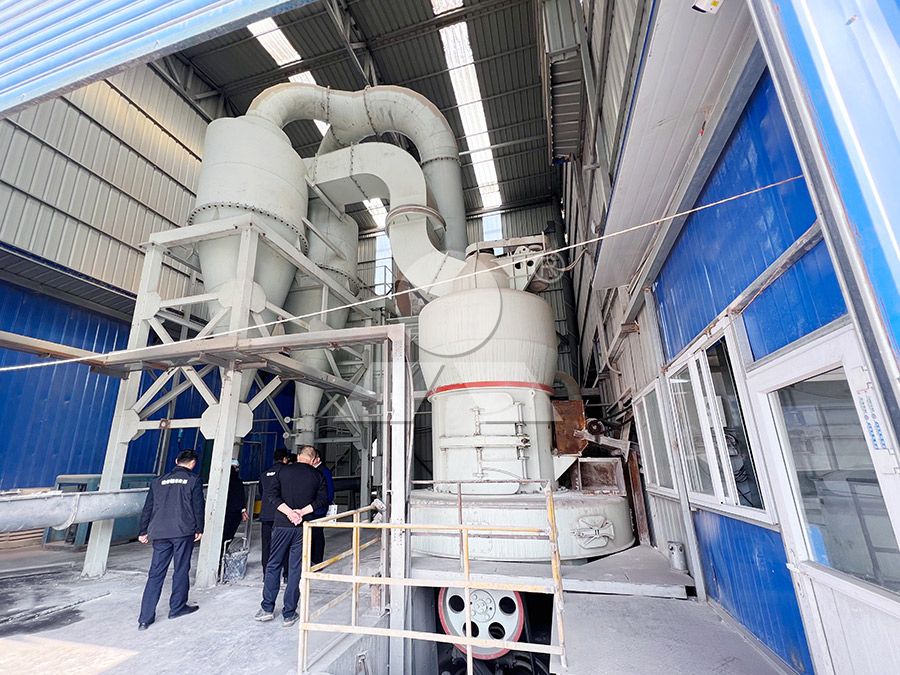
Leading equipment manufacturers are focusing on innovations that boost yield, reduce operational costs, and minimize environmental footprint. Technologies such as advanced powder classification systems, efficient dust collection, and automated control systems are becoming standard expectations. In this context, our MW Ultrafine Grinding Mill stands out as a premier solution. Designed for customers requiring ultra-fine powder, it handles an input size of 0-20 mm with a capacity ranging from 0.5 to 25 tph. Its higher yielding and lower energy consumption—using only 30% of the energy of a jet mill—directly adresses the core cost challenges in phosphate processing. The adjustable fineness between 325-2500 meshes ensures producers can meet exact customer specifications for a variety of applications, from fertilizers to advanced chemical uses.
Beyond Ultra-Fine: The Vertical Grinding Advantage
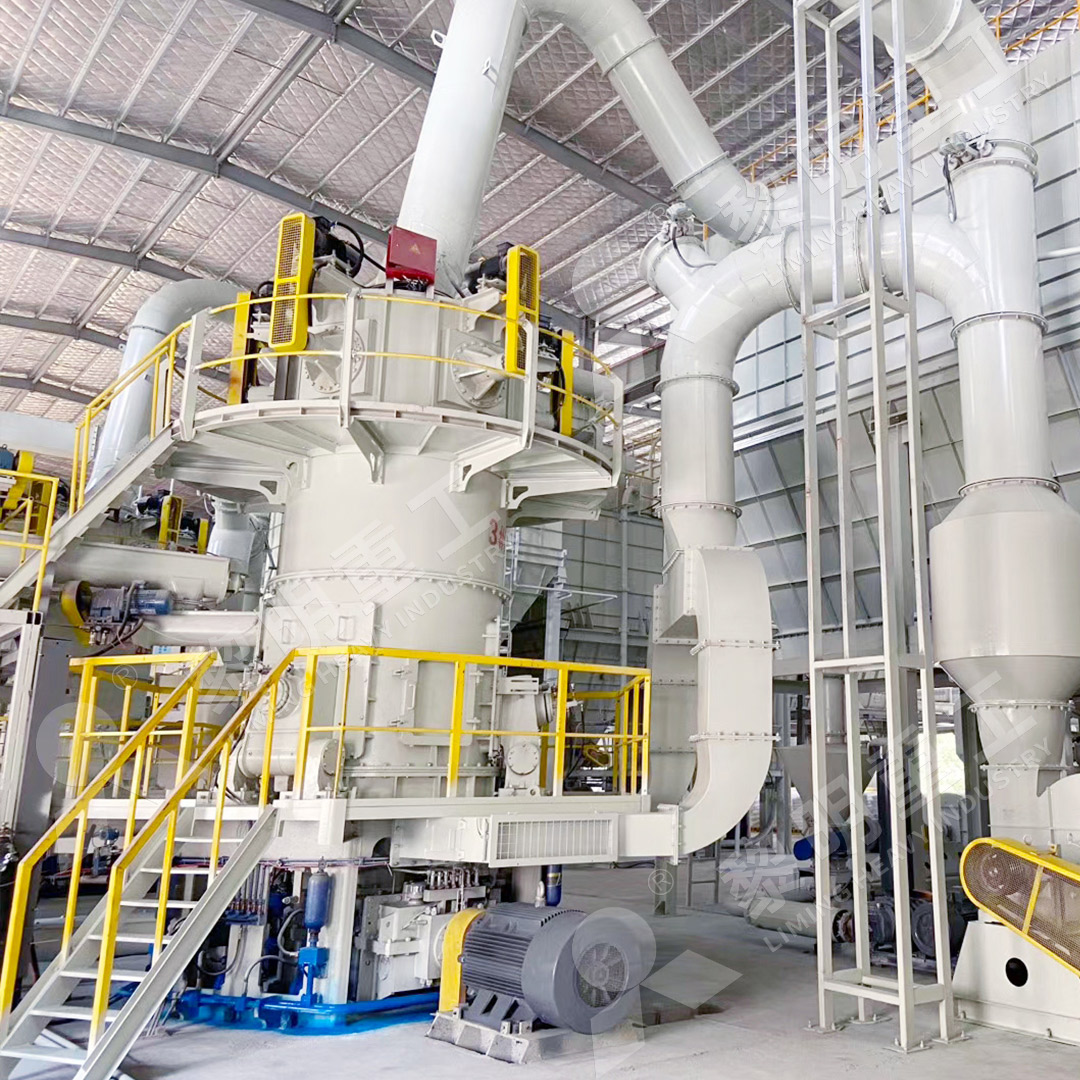
For operations requiring integrated drying and grinding or handling slightly different material characteristics, vertical roller mills present a compelling alternative. Our LUM Ultrafine Vertical Grinding Mill is another standout product, integrating the latest grinding roller and powder separating technology. With an input size of 0-10 mm and a capacity of 5-18 tph, it excels in producing superfine dry powder. Its unique roller shell design promotes easier material layer generation, leading to a higher rate of finished product in a single pass, which enhances both efficiency and the final product’s whiteness—a critical factor for many industrial buyers.
Strategic Recommendations for Producers
To remain competitive, phosphate powder producers must invest in technology that offers flexibility, efficiency, and reliability. The choice between an ultra-fine ring roller mill like the MW series and a vertical mill like the LUM often depends on specific plant layout, existing processes, and desired final product characteristics. Both options from our portfolio represent a strategic upgrade over older milling technology, promising a rapid return on investment through drastically reduced energy bills, lower maintenance costs due to features like external lubrication, and superior product quality that can command a premium in the market.
Conclusion: The Future is Efficient and Fine
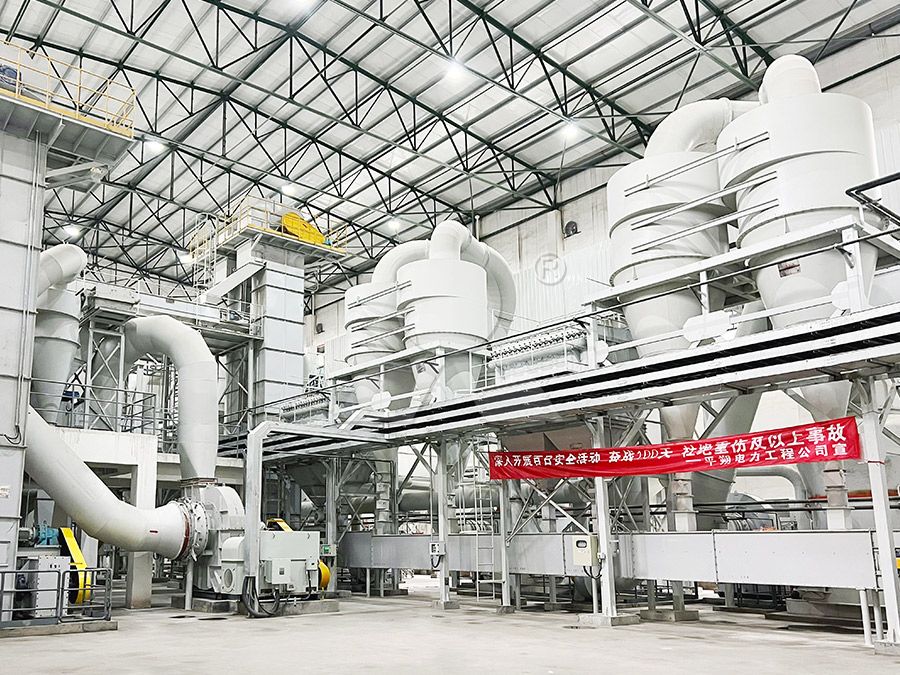
The competition in the phosphate rock powder market will continue to intensify. The key players who will thrive are those who leverage advanced technology to optimize their operations. Investing in modern grinding mills is no longer a luxury but a necessity for achieving cost leadership and product superiority. By adopting solutions like the MW Ultrafine Grinding Mill or the LUM Ultrafine Vertical Grinding Mill, producers can position themselves at the forefront of the industry, ready to meet evolving demands efficiently and profitably.