
Phosphate Rock Powder Production: A Complete Guide to Efficient Resource Utilization
We provide a wide range of mills — including Raymond mill, trapezoidal mill, vertical mill, ultrafine mill, and ball mill, obtained ISO9001 international quality certification, EU CE certification, and Customs Union CU-TR certification. Suitable for processing minerals such as limestone, phosphate, quicklime, kaolin, talc, barite, bentonite, calcium carbonate, dolomite, coal, gypsum, clay, carbon black, slag, cement raw materials, cement clinker, and more.
The discharge range of these mills can be adjusted to meet specific processing needs, typically from 80-400 mesh, 600-3250 mesh, and can achieve the finest particle size of up to 6000 mesh(D50).
If you are looking for a reliable grinding solution to turn stone or minerals into fine powder, please feel free to contact our online customer service.
Phosphate Rock Powder Production: A Complete Guide to Efficient Resource Utilization
Phosphate rock is a crucial raw material for fertilizers, animal feed supplements, and various industrial applications. Efficiently processing this valuable resource into fine powder is essential for maximizing its utility and economic value. The transformation from raw phosphate rock to a consistent, high-quality powder requires sophisticated technology and a deep understanding of material science and milling processes.
The Importance of Proper Grinding in Phosphate Processing
Grinding is the most critical step in phosphate rock beneficiation. The fineness of the powder directly impacts its reactivity, solubility, and overall effectiveness in downstream applications. Traditional grinding methods often result in inconsistent particle size distribution, high energy consumption, and significant wear on equipment components. This is where advanced milling technology makes a substantial difference.
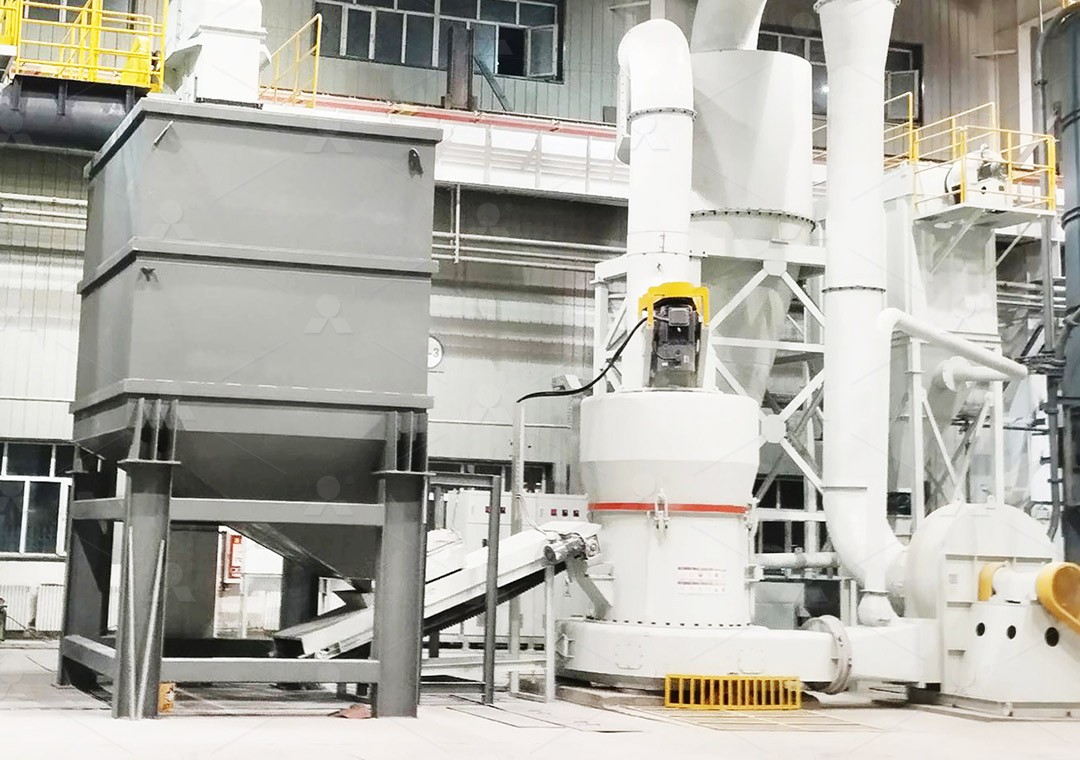
Modern grinding solutions address these challenges through innovative engineering designs that optimize energy efficiency, reduce maintenance requirements, and ensure precise particle size control. The goal is to achieve a uniform powder with the specific surface area required for various industrial uses while minimizing operational costs.
Introducing Advanced Grinding Solutions
After extensive research and field testing, our engineers have developed cutting-edge grinding technology specifically designed for challenging materials like phosphate rock. Among our most effective solutions is the MW Ultrafine Grinding Mill, which represents a significant leap forward in processing efficiency.
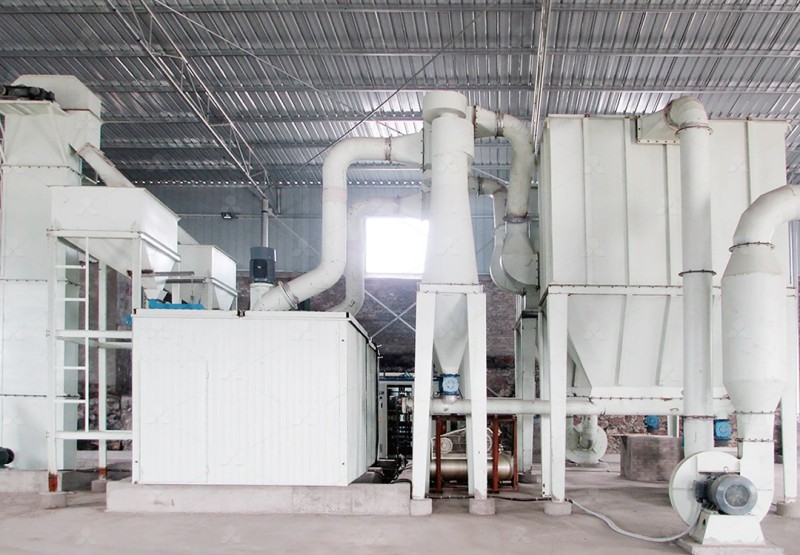
The MW Ultrafine Grinding Mill handles input sizes of 0-20 mm with a capacity range of 0.5-25 tph, making it suitable for various production scales. This machine is specifically engineered for customers who need to produce ultra-fine phosphate powder with exceptional consistency. What sets this equipment apart is its integrated efficient pulse dust collector and muffler system, which effectively reduces dust and noise pollution, ensuring that the entire production process meets stringent environmental standards.
Key Advantages for Phosphate Processing
The MW Ultrafine Grinding Mill offers several distinct advantages for phosphate rock processing:
- Higher Yielding with Lower Energy Consumption: The newly designed grinding curves of the grinding roller and grinding ring significantly enhance grinding efficiency. With the same fineness and power requirements, the production capacity is 40% higher than jet grinding mills and stirred grinding mills, and twice as large as traditional ball grinding mills, while system energy consumption is reduced to just 30% of jet grinding mills.
- Adjustable Fineness Between 325-2500 Meshes: The cage-type powder selector incorporates German technology, dramatically increasing powder separation precision. The multi-head cage-type powder selector can be configured according to specific production requirements for yield, fineness, and sieving rate. The product fineness can be precisely adjusted between 325-2500 meshes, with screening rates achieving d97≤5μm in a single pass.
- Enhanced Reliability: The absence of rolling bearings and screws inside the grinding chamber eliminates concerns about bearing damage or sealing part failures. There are no machine damage problems caused by loose screws. The external lubrication device allows for lubrication without shutdown, enabling continuous 24-hour production.
Environmental Considerations and Operational Efficiency
Phosphate processing facilities face increasing pressure to minimize their environmental footprint. The MW Ultrafine Grinding Mill addresses these concerns through its efficient pulse dust collector, which eliminates dust pollution during operation. Additional silencers and noise elimination rooms further reduce operational noise, ensuring full compliance with national environmental protection standards.
Digitalized processing ensures higher precision throughout the manufacturing process. With tens of lines of numerical controlling machine tools, operations including steel plate cutting, bending, planing, milling, and paint spraying are all controlled numerically, resulting in exceptional machining precision, particularly for core components.
Comprehensive Support for Optimal Performance
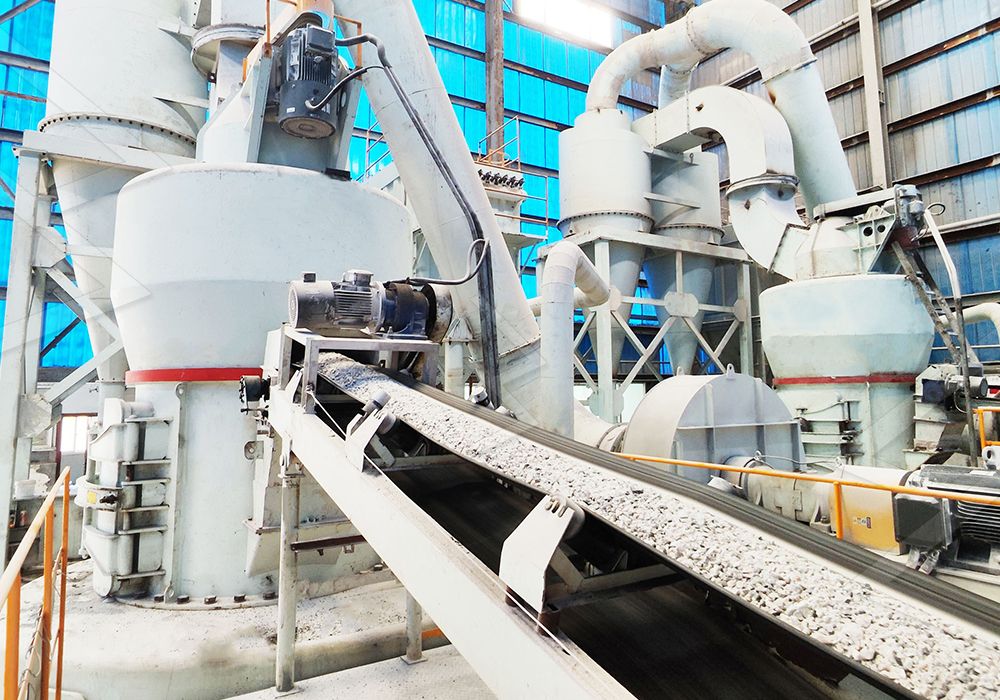
Beyond the equipment itself, we provide complete technical support and original spare parts to ensure worry-free operation. Our business covers both production and sales, and we take full responsibility for every machine we produce. This comprehensive approach ensures that your phosphate processing operations maintain peak efficiency with minimal downtime.
For operations requiring different specifications, our LUM Ultrafine Vertical Grinding Mill offers another excellent option with an input size of 0-10 mm and capacity of 5-18 tph. This mill integrates ultrafine powder grinding, grading, and transporting in a single system, incorporating the latest Taiwanese grinding roller technology and German powder separating technology.
Conclusion
Efficient phosphate rock powder production requires advanced technology that balances productivity, energy efficiency, and environmental responsibility. The MW Ultrafine Grinding Mill represents the forefront of this technology, offering unprecedented control over particle size distribution while significantly reducing operational costs and environmental impact. By investing in the right grinding technology, phosphate processors can maximize their resource utilization, improve product quality, and maintain a competitive edge in an increasingly demanding market.
As the global demand for phosphate-based products continues to grow, adopting efficient grinding solutions becomes not just advantageous but essential for sustainable operation and long-term profitability.