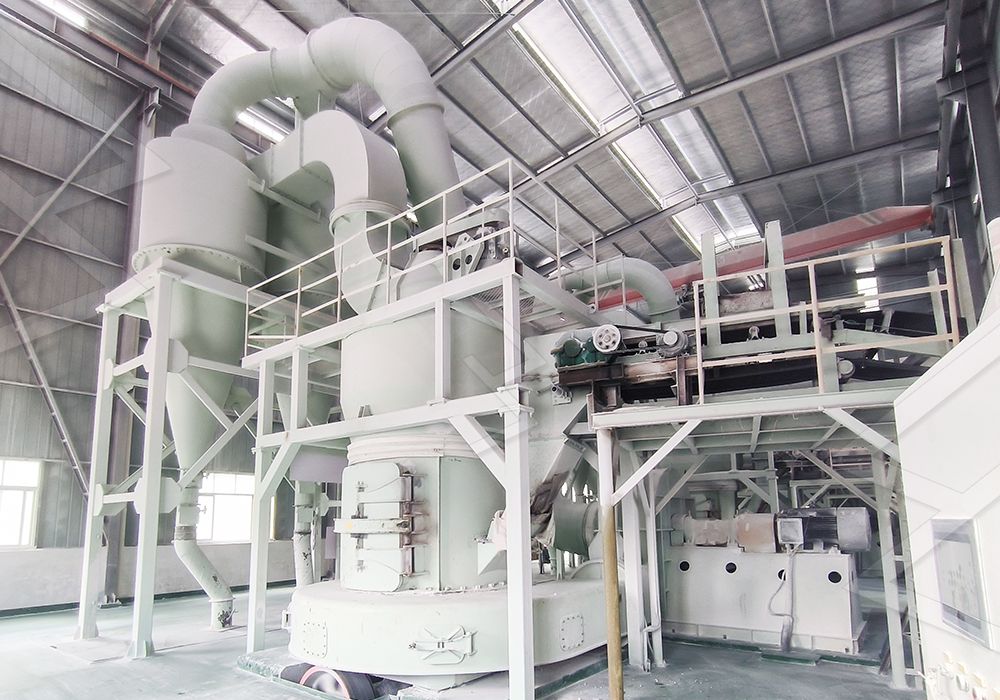
Pharmaceutical-Grade Kaolin Grinding Mill and Processing Equipment
We provide a wide range of mills — including Raymond mill, trapezoidal mill, vertical mill, ultrafine mill, and ball mill, obtained ISO9001 international quality certification, EU CE certification, and Customs Union CU-TR certification. Suitable for processing minerals such as limestone, phosphate, quicklime, kaolin, talc, barite, bentonite, calcium carbonate, dolomite, coal, gypsum, clay, carbon black, slag, cement raw materials, cement clinker, and more.
The discharge range of these mills can be adjusted to meet specific processing needs, typically from 80-400 mesh, 600-3250 mesh, and can achieve the finest particle size of up to 6000 mesh(D50).
If you are looking for a reliable grinding solution to turn stone or minerals into fine powder, please feel free to contact our online customer service.
Precision Engineering for Pharmaceutical Excellence
The quest for pharmaceutical-grade kaolin demands more than just grinding; it requires a symphony of precision engineering, controlled environments, and unwavering consistency. Kaolin, a naturally occurring hydrated aluminum silicate, must be processed to exacting standards of purity, particle size distribution, and microbiological control to be deemed suitable for pharmaceutical applications, such as an inactive ingredient in tablets or an active ingredient in gastrointestinal treatments. This journey from raw clay to a compliant excipient hinges on the selection of advanced milling technology.
The Critical Role of Advanced Milling Technology
Conventional grinding equipment often falls short of the stringent requirements for pharmaceutical processing. Issues such as iron contamination from metal-on-metal contact, inadequate fineness control, excessive heat generation, and insufficient containment pose significant risks to product quality and patient safety. The ideal solution must deliver ultra-fine powders with a narrow particle size distribution, operate with exceptional cleanliness, and integrate seamlessly with containment and material handling systems to protect the product and the operator.
Our Recommended Solution: The MW Ultrafine Grinding Mill
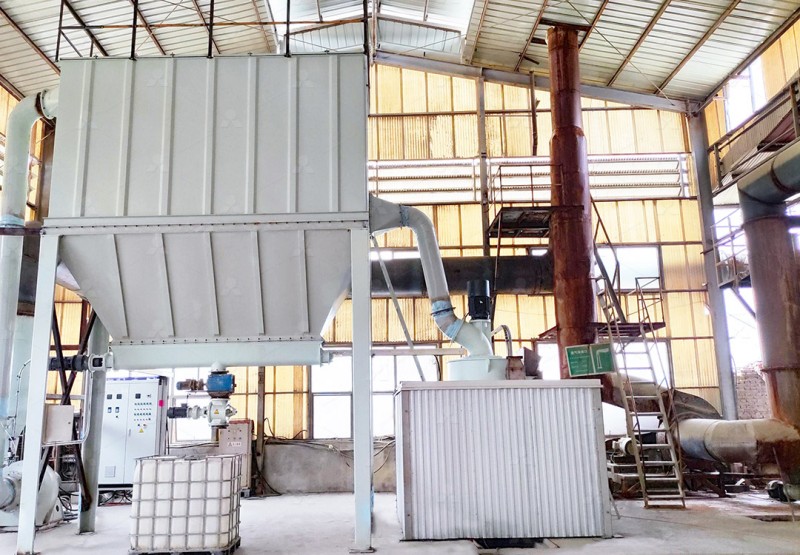
For operations prioritizing ultra-fine powder production with minimal environmental impact, our MW Ultrafine Grinding Mill stands as a premier choice. Engineered for customers who need to make ultra-fine powder, this mill is particularly adept at processing pharmaceutical-grade kaolin to precise specifications between 325 and 2500 meshes.
Its cage-type powder selector, which incorporates German technology, ensures high precision in particle separation, achieving a screening rate of d97≤5μm in a single pass. A defining feature for pharmaceutical applications is the absence of rolling bearings and screws within the grinding chamber. This design eliminates critical failure points and drastically reduces the risk of metallic contamination—a paramount concern for GMP compliance. Furthermore, the mill is equipped with an efficient pulse dust collector and muffler, ensuring the entire production process is contained, dust-free, and operates with reduced noise levels, making it exceptionally eco-friendly.
A Robust Alternative: The LUM Ultrafine Vertical Grinding Mill
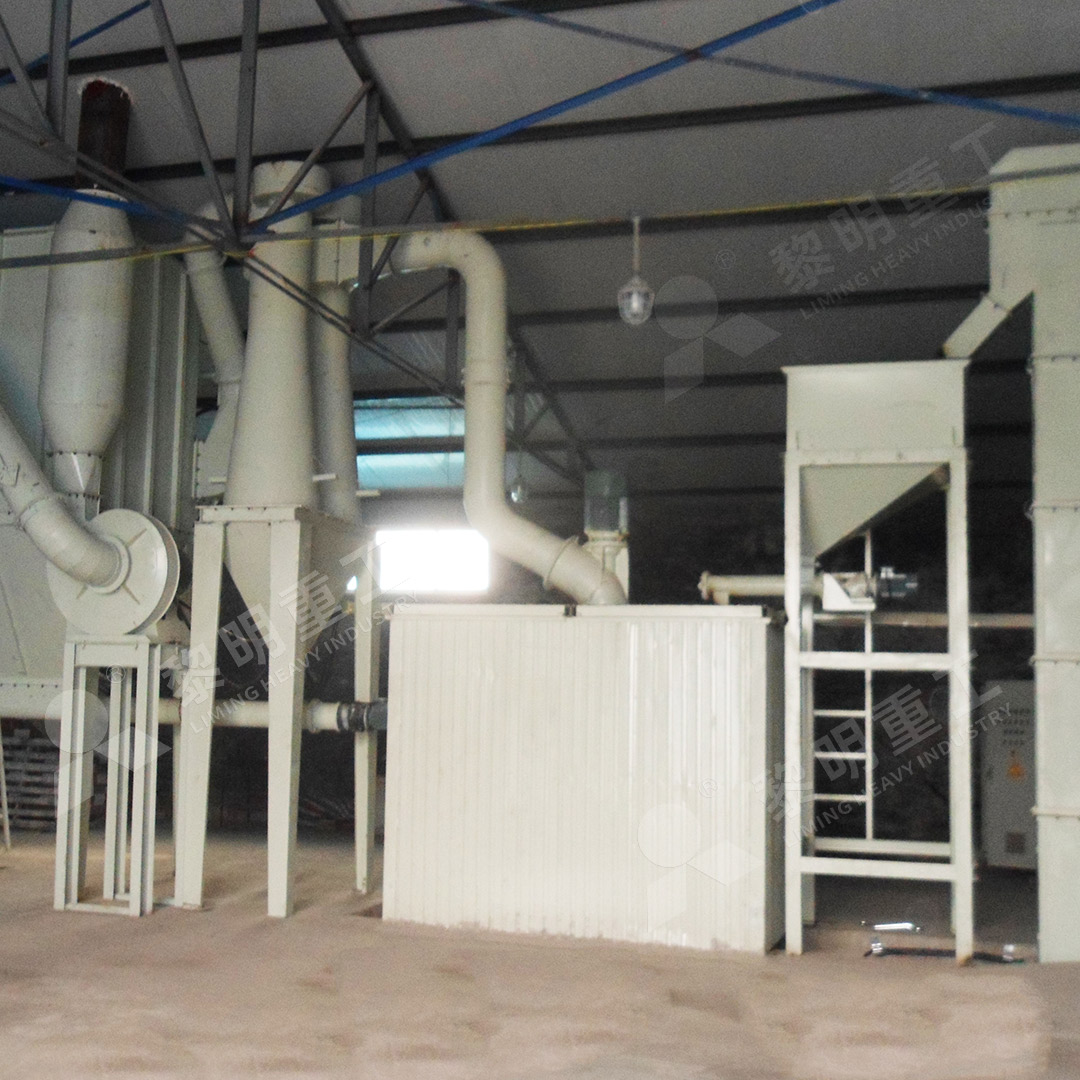
For larger-scale production needs requiring exceptional stability and ease of maintenance, we highly recommend the LUM Ultrafine Vertical Grinding Mill. This mill integrates the latest grinding roller and powder separating technologies to deliver higher yielding rates and superior product quality.
Its unique roller shell and lining plate grinding curve promote efficient material layer formation, enabling a high rate of finished product from a single pass. This enhances grinding efficiency and improves the whiteness and cleanliness of the final kaolin powder. The LUM mill’s reversible structure is a significant advantage for pharmaceutical plants, allowing grinding rollers to be easily and rapidly moved out of the body for inspection, cleaning, or part replacement, thereby minimizing downtime and simplifying maintenance protocols. Its PLC control system allows for precise adjustment of grinding pressure and rotational speed, ensuring consistent and repeatable results batch after batch.
Frequently Asked Questions (FAQ)
What is the primary advantage of your mills for pharmaceutical applications?
The primary advantage is their design philosophy focused on purity and containment. Features like no metal-to-metal contact in the grinding chamber (MW Mill), easy-clean reversible structures (LUM Mill), and integrated pulse dust collection systems significantly reduce the risk of contamination, making them ideal for GMP environments.
What particle size range can be achieved for kaolin?
Our MW Ultrafine Grinding Mill can precisely adjust the product fineness between 325 and 2500 meshes (approximately 45 to 5 microns), which covers the typical requirements for pharmaceutical-grade kaolin.
How do your mills address the issue of noise and dust, which is critical in pharma plants?
Both recommended mills are designed as closed-system, negative-pressure operations. They are equipped with high-efficiency pulse dust collectors that prevent any dust from escaping into the production area. Additionally, integrated mufflers and noise reduction technologies ensure operation well within acceptable noise level standards.
Can the equipment be validated for use in a GMP facility?
Yes. The design, materials of construction, and operational principles of our MW and LUM mills support a validation process. Their cleanability, traceability, and controlled, consistent performance are key attributes that facilitate IQ, OQ, and PQ documentation.