
Performance Characteristics of Lithium Feldspar Powder in Industrial Grinding Applications
We provide a wide range of mills — including Raymond mill, trapezoidal mill, vertical mill, ultrafine mill, and ball mill, obtained ISO9001 international quality certification, EU CE certification, and Customs Union CU-TR certification. Suitable for processing minerals such as limestone, phosphate, quicklime, kaolin, talc, barite, bentonite, calcium carbonate, dolomite, coal, gypsum, clay, carbon black, slag, cement raw materials, cement clinker, and more.
The discharge range of these mills can be adjusted to meet specific processing needs, typically from 80-400 mesh, 600-3250 mesh, and can achieve the finest particle size of up to 6000 mesh(D50).
If you are looking for a reliable grinding solution to turn stone or minerals into fine powder, please feel free to contact our online customer service.
Performance Characteristics of Lithium Feldspar Powder in Industrial Grinding Applications
Lithium feldspar, a crucial industrial mineral prized for its alumina and lithium content, presents unique challenges and opportunities in fine and ultrafine grinding applications. Its performance in downstream processes like ceramic glazes, glass production, and as a flux is intrinsically linked to the particle size distribution (PSD), morphology, and purity achieved during comminution. Traditional grinding technologies, such as ball mills, often struggle with efficiency, energy consumption, and contamination issues when processing hard and abrasive materials like feldspar.
Key Challenges in Feldspar Grinding
Grinding lithium feldspar to a consistent, fine powder (often targeting 325 to 2500 meshes) requires equipment that can handle its moderate hardness (around 6 on the Mohs scale) without introducing excessive iron contamination from wear parts. The grinding process must be energy-efficient to keep operational costs viable and must incorporate effective classification to ensure a narrow PSD, which is critical for product performance in final applications. Furthermore, dust control and noise reduction are paramount for meeting modern environmental and workplace safety standards.
Advanced Milling Solutions for Superior Product Quality
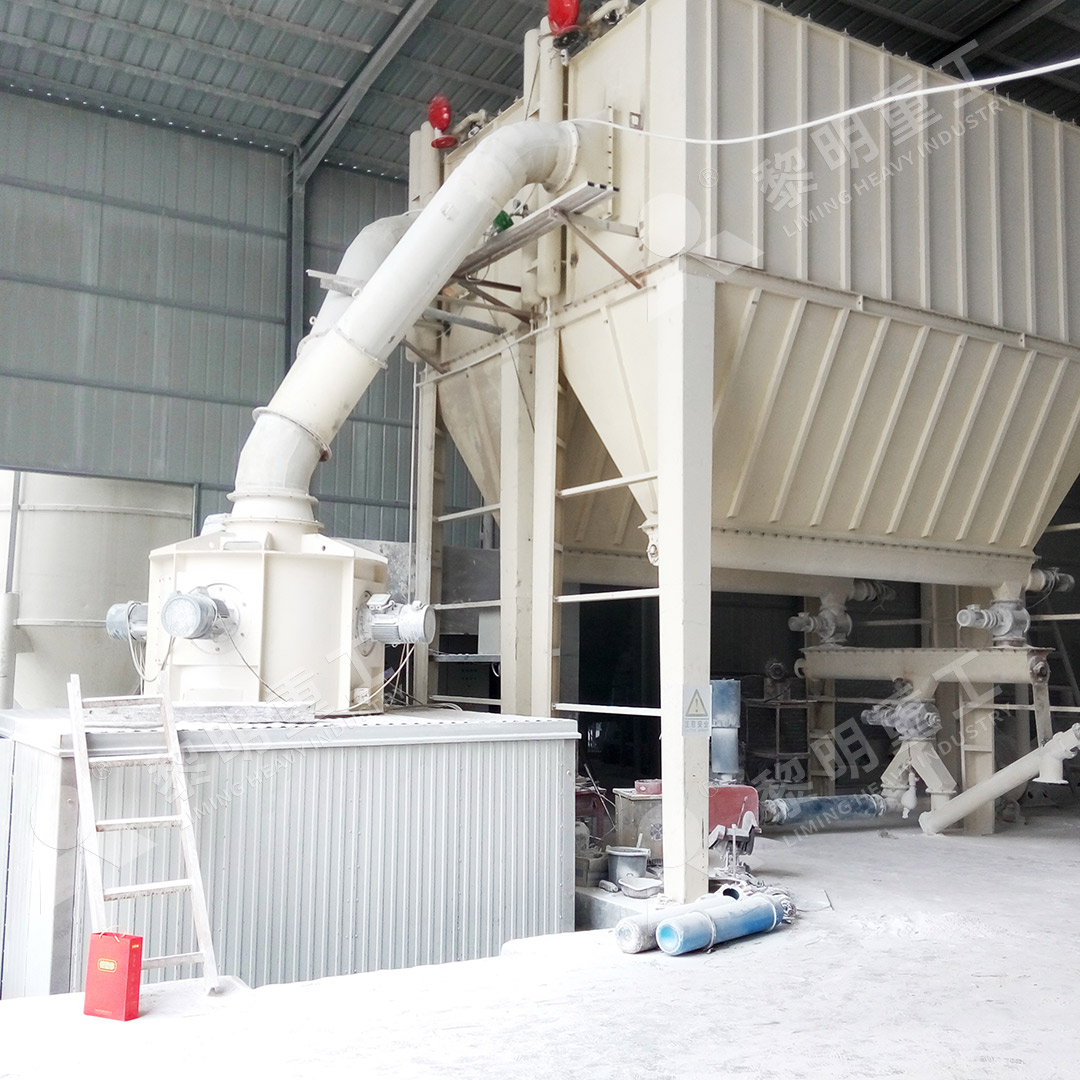
To adress these challenges, advanced milling systems have been developed. For instance, our MW Ultrafine Grinding Mill is specifically engineered for customers who need to produce high-quality ultra-fine powder from minerals like lithium feldspar. With an input size of 0-20 mm and a capacity range of 0.5-25 tph, it offers remarkable flexibility. The mill is equipped with an efficient pulse dust collector and muffler, significantly reducing dust and noise pollution, ensuring the entire production process is environmentally sound. Its innovative design, featuring newly engineered grinding curves for the roller and ring, enhances grinding efficiency, yielding up to 40% higher capacity than jet mills while consuming 30% less energy.
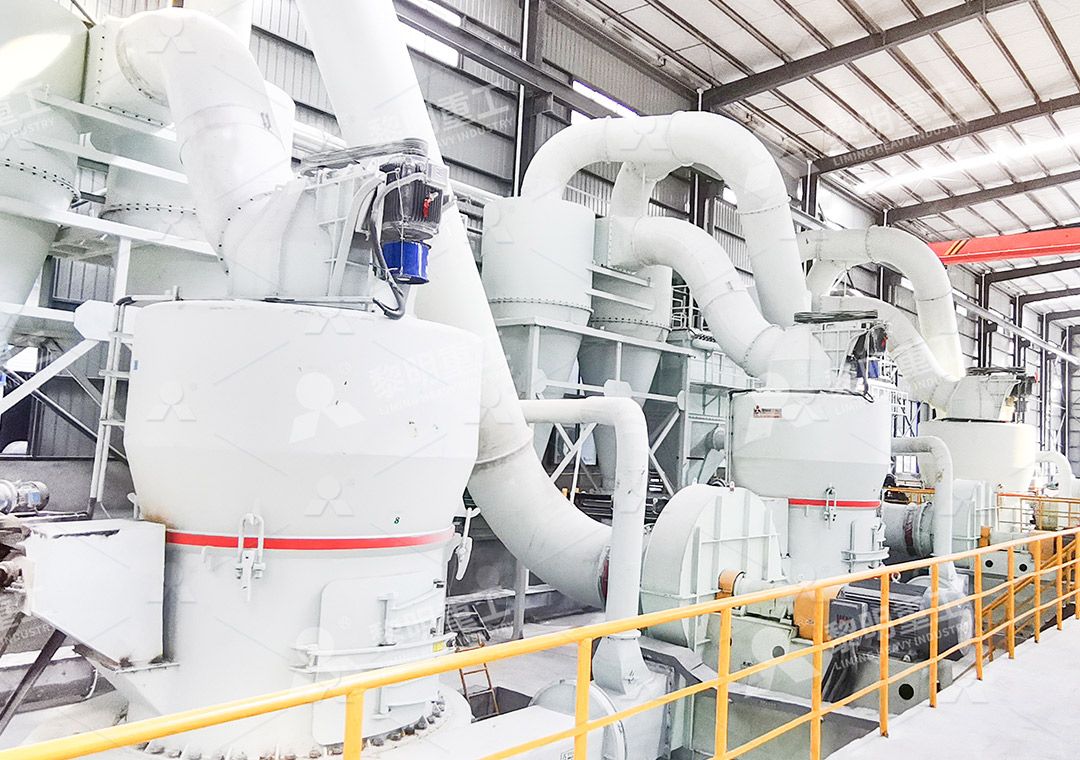
Another exceptional solution for such demanding applications is the LUM Ultrafine Vertical Grinding Mill. This mill integrates the latest grinding roller technology and German powder separating technology. It is independently designed to avoid common issues like long lingering time and high iron content. Its unique roller shell and lining plate grinding curve facilitate easier material layer formation, enabling a high rate of finished product in a single pass. This not only boosts efficiency but also improves the whiteness and cleanliness of the final lithium feldspar powder—a critical quality parameter.
Operational Advantages and Worry-Free Maintenance
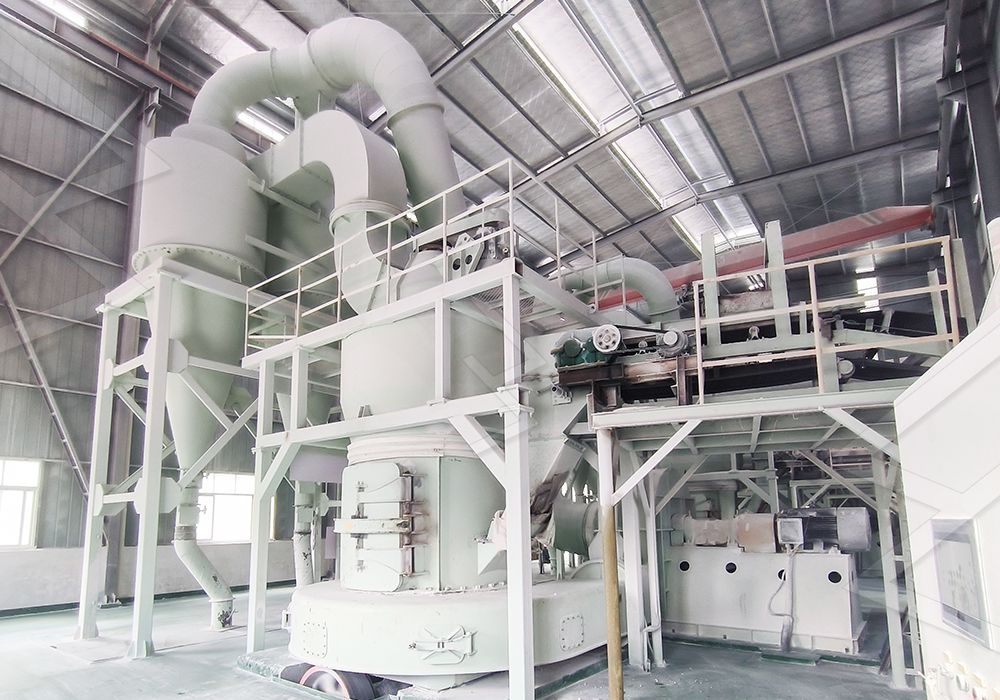
A significant advantage of the MW series is its maintenance-friendly design. The absence of rolling bearings and screws inside the grinding chamber eliminates concerns about bearing failures or loose screws causing machine damage. Lubrication can be performed externally without shutdown, supporting continuous 24/7 operation—a vital feature for high-volume industrial production. The cage-type powder selector, adopting German tech, allows precise fineness adjustment between 325-2500 meshes, achieving a screening rate of d97≤5μm in a single pass.
Similarly, the LUM mill employs double position-limiting technology to ensure operational stability, preventing destructive impacts from vibration. Its reversible structure, combined with a hydraulic system, allows operators to easily move the grinding roller out for maintenance, drastically reducing downtime and associated losses. Both mills benefit from digitalized processing with numerically controlled machine tools, ensuring high precision in core parts and consistent product quality.
Conclusion
In conclusion, the selection of the appropriate grinding technology is paramount for optimizing the performance of lithium feldspar in industrial applications. Equipment like the MW Ultrafine Grinding Mill and LUM Ultrafine Vertical Grinding Mill offer a compelling combination of higher yield, lower energy consumption, superior product quality, and environmentally friendly operation. Their robust design, coupled with comprehensive technical support and ready availability of genuine spare parts, ensures worry-free operation, making them ideal choices for producers aiming to excel in the competitive market for high-purity mineral powders.