Optimizing Zinc Ore Processing: Efficient Milling and Classification Techniques
We provide a wide range of mills — including Raymond mill, trapezoidal mill, vertical mill, ultrafine mill, and ball mill, obtained ISO9001 international quality certification, EU CE certification, and Customs Union CU-TR certification. Suitable for processing minerals such as limestone, phosphate, quicklime, kaolin, talc, barite, bentonite, calcium carbonate, dolomite, coal, gypsum, clay, carbon black, slag, cement raw materials, cement clinker, and more.
The discharge range of these mills can be adjusted to meet specific processing needs, typically from 80-400 mesh, 600-3250 mesh, and can achieve the finest particle size of up to 6000 mesh(D50).
If you are looking for a reliable grinding solution to turn stone or minerals into fine powder, please feel free to contact our online customer service.
Optimizing Zinc Ore Processing: Efficient Milling and Classification Techniques
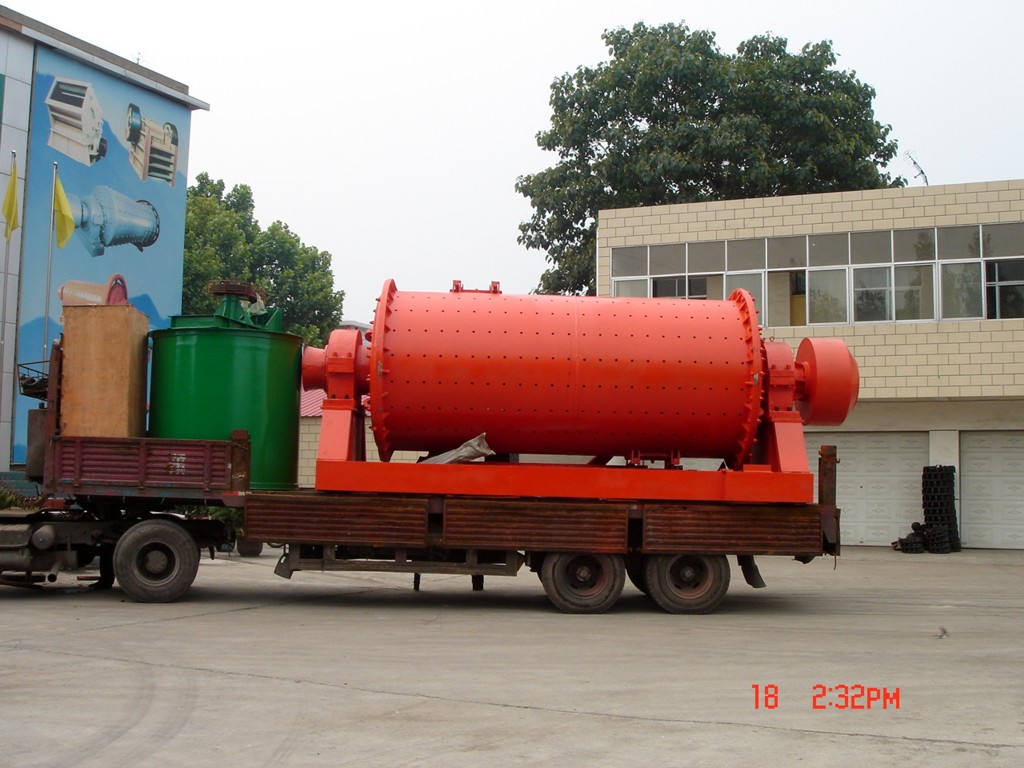
In the competitive world of mineral processing, achieving optimal efficiency in zinc ore milling and classification is paramount for profitability and sustainability. Zinc ore, often complex and requiring fine liberation for effective concentration, demands grinding equipment that delivers precision, reliability, and low operational costs. Traditional methods can be energy-intensive and may not yield the uniform particle size distribution crucial for downstream flotation processes.
The key to unlocking higher recovery rates lies in moving beyond conventional ball mills to advanced grinding technologies designed for finer outputs and greater control over the final product’s characteristics. This is where innovative milling solutions make a significant impact.
The Imperative for Ultra-Fine Grinding in Zinc Processing
Zinc ores often contain finely disseminated sphalerite that must be liberated from the gangue matrix. Inadequate grinding leads to locked particles, resulting in valuable mineral losses. Over-grinding, on the other hand, generates excessive slimes that can interfere with flotation reagents and reduce concentrate grade. Therefore, the goal is to achieve a tightly controlled particle size distribution (PSD) that maximizes liberation while minimizing slime production. Efficient classifiers are integral to this process, ensuring that only optimally sized material proceeds to flotation and oversize is returned for further grinding.
Introducing a Superior Solution: The MW Ultrafine Grinding Mill
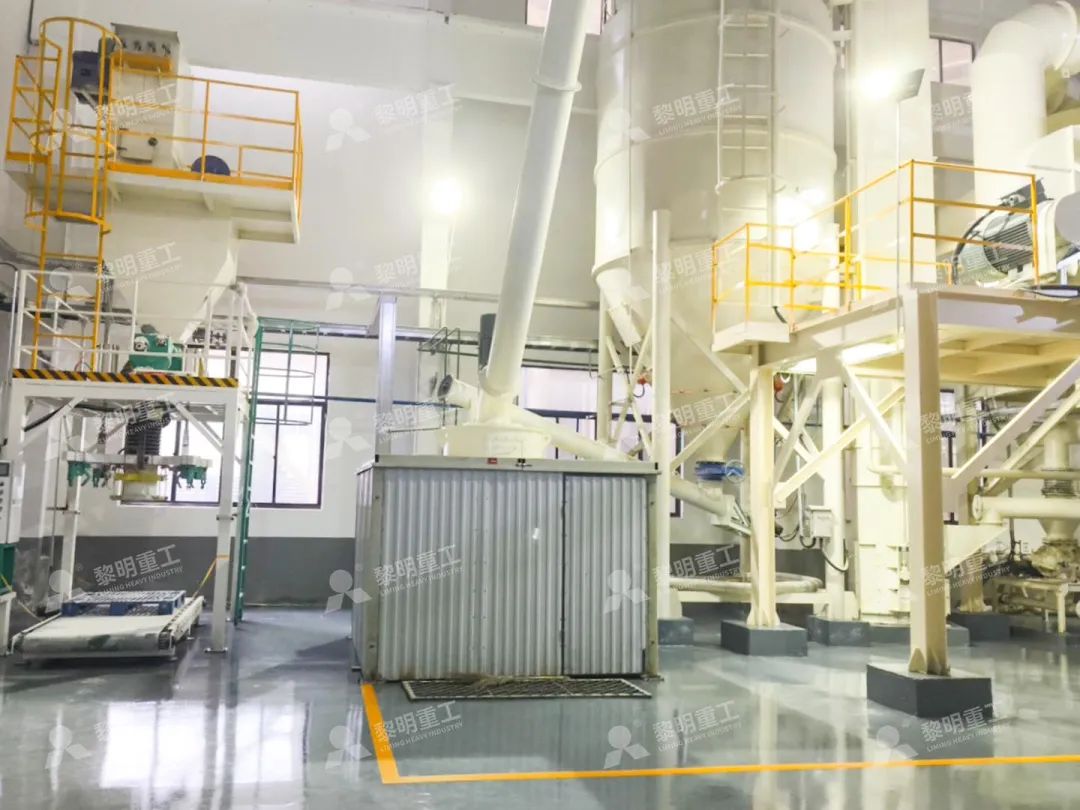
For operations targeting superior zinc recovery, the MW Ultrafine Grinding Mill presents a compelling solution. This machine is engineered for customers who need to produce ultra-fine powder with exceptional efficiency. With an input size of 0-20 mm and a capacity range of 0.5-25 tph, it is perfectly suited for the precise demands of zinc concentrate processing.
Its design incorporates several groundbreaking features:
- Higher Yielding, Lower Energy Consumption: Newly designed grinding curves of the roller and ring enhance grinding efficiency. With the same fineness and power, its production capacity is 40% higher than jet mills and double that of ball mills, while system energy consumption is slashed by 70% compared to jet mills.
- Adjustable Fineness (325-2500 meshes): A German-technology, cage-type powder selector allows for precise control over product fineness, achieving a critical d97≤5μm in a single pass—ideal for liberating fine zinc particles.
- Eco-Friendly Operation: An integrated efficient pulse dust collector and muffler ensure no dust pollution and significantly reduce noise, keeping the operation compliant with stringent environmental standards.
Maximizing Efficiency Across the Circuit
Integrating a mill like the MW series is just one part of the equation. A holistic approach involves optimizing the entire milling-classification loop. Properly sizing cyclones or installing modern high-frequency screens to work in concert with the grinder ensures that energy is not wasted grinding already-liberated material. The result is a more stable process, consistent feed to flotation, and ultimately, higher quality zinc concentrate.
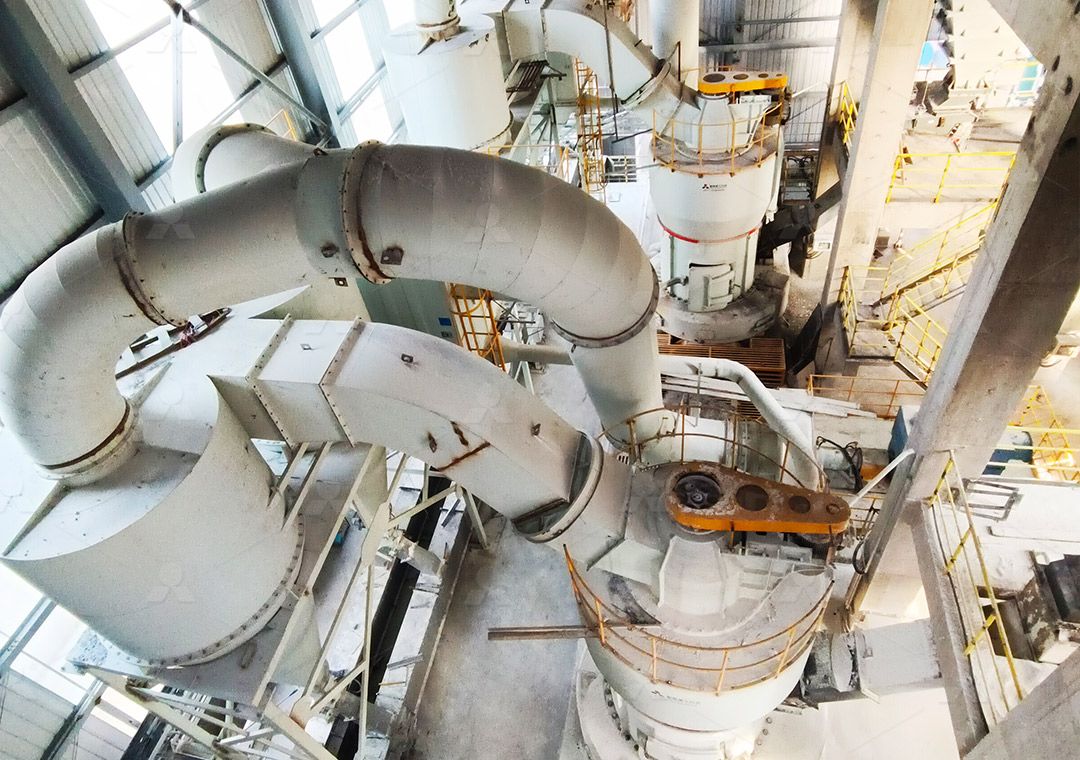
Another robust option for operations with slightly different feed characteristics is the LUM Ultrafine Vertical Grinding Mill. Integrating the latest grinding roller and powder separating technology, the LUM mill is another excellent choice for producing superfine dry powder from non-metallic ores, offering high efficiency and easier maintenance.
Conclusion: Investing in Precision for Greater Returns
The path to optimizing zinc ore processing is clear: embrace technology that offers precision grinding, energy savings, and environmental compliance. By investing in advanced milling and classification equipment like the MW Ultrafine Grinding Mill, operations can significantly enhance liberation, improve recovery rates, reduce operating costs, and minimize their environmental footprint. It’s not just about grinding finer; it’s about grinding smarter.