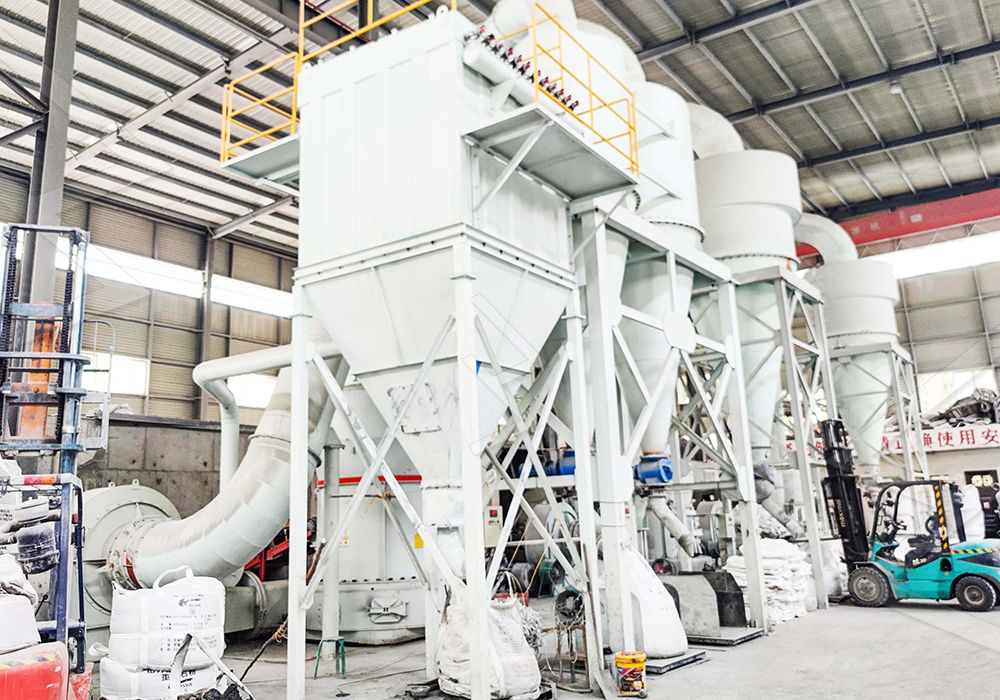
Optimizing Vertical Roller Mill Performance: The Role of Grinding Table Speed
We provide a wide range of mills — including Raymond mill, trapezoidal mill, vertical mill, ultrafine mill, and ball mill, obtained ISO9001 international quality certification, EU CE certification, and Customs Union CU-TR certification. Suitable for processing minerals such as limestone, phosphate, quicklime, kaolin, talc, barite, bentonite, calcium carbonate, dolomite, coal, gypsum, clay, carbon black, slag, cement raw materials, cement clinker, and more.
The discharge range of these mills can be adjusted to meet specific processing needs, typically from 80-400 mesh, 600-3250 mesh, and can achieve the finest particle size of up to 6000 mesh(D50).
If you are looking for a reliable grinding solution to turn stone or minerals into fine powder, please feel free to contact our online customer service.
Optimizing Vertical Roller Mill Performance: The Role of Grinding Table Speed
In the world of industrial grinding, achieving optimal efficiency and product quality is a constant pursuit. Among the many variables that influence the performance of a Vertical Roller Mill (VRM), the speed of the grinding table stands out as a critical, yet sometimes overlooked, parameter. Proper adjustment and control of this speed can be the difference between a highly efficient operation and one plagued by high energy consumption, poor product fineness, and excessive wear.
Understanding the Impact of Table Speed
The grinding table’s rotational speed directly influences several key aspects of the milling process:
- Material Bed Formation: The centrifugal force generated by the spinning table is responsble for carrying the material under the grinding rollers. An incorrect speed can lead to an unstable or uneven material bed, causing vibration and reducing grinding efficiency.
- Residence Time: A faster table speed reduces the time material spends in the grinding zone. This can be beneficial for softer materials but detrimental for harder ones that require more time under pressure to be effectively comminuted.
- Wear and Tear: Excessive speed accelerates the wear on both the grinding rollers and the table liner. Operating within the manufacturer’s recommended range is crucial for maximizing the lifespan of these costly wear parts.
- Product Fineness: The interaction between table speed, roller pressure, and air flow is complex. It directly affects the particle size distribution of the final product. Finding the right balance is key to meeting specific fineness requirements.
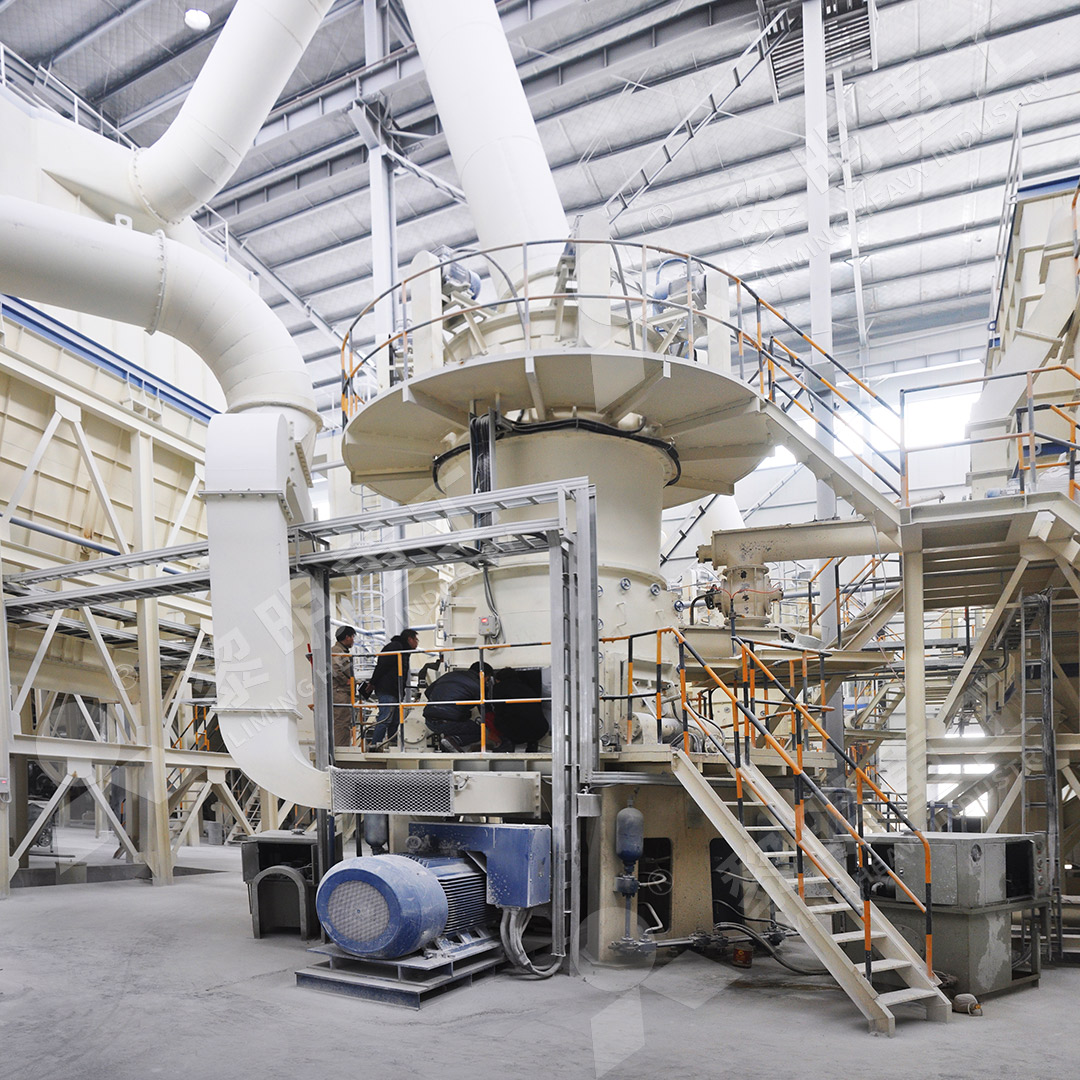
Advanced Solutions for Precise Control
Modern mills are equipped with sophisticated control systems that allow operators to fine-tune the table speed in conjunction with other parameters like grinding pressure and classifier speed. This level of control is essential for adapting to variations in feed material characteristics and production demands.
For operations requiring ultra-fine powders with precise particle size control, a standard VRM might not suffice. This is where specialized equipment like our MW Ultrafine Grinding Mill excels. Designed for customers who need to make ultra-fine powder, this machine is a game-changer. It boasts a capacity of 0.5-25 tph and can handle an input size of 0-20 mm. Its cage-type powder selector, which adopts German technologies, allows for precise adjustment of fineness between 325-2500 meshes, effectively ensuring a high screening rate of d97≤5μm. Furthermore, its innovative design without rolling bearings or screws in the grinding chamber eliminates worries about related failures, making it an exceptionally reliable and low-maintenance choice for high-precision grinding applications.
Practical Tips for Optimization
- Always refer to the mill manufacturer’s guidelines for recommended operating speeds based on your specific material.
- Use the mill’s control system to conduct small, controlled tests. Adjust the table speed incrementally and monitor the changes in power consumption, product fineness, and mill stability.
- Remember that table speed does not work in isolation. Its optimization is deeply intertwined with grinding pressure, air flow, and feed rate. A holistic approach is necessary.
- Listen to your mill. Unusual vibrations or noises are often the first sign of an improperly set table speed causing an unstable grinding bed.
Conclusion
Grinding table speed is not merely a setting on a control panel; it is a fundamental lever for pulling the maximum performance out of a Vertical Roller Mill. By understanding its profound impact on material flow, wear, and product quality, operators can make informed decisions that lead to significant gains in productivity and cost savings. Investing in advanced mill technology, such as our MW series, provides the tools necessary to master this critical variable and achieve superior grinding results.