
Optimizing Unit Operations in a Grinding Mill Production Line
We provide a wide range of mills — including Raymond mill, trapezoidal mill, vertical mill, ultrafine mill, and ball mill, obtained ISO9001 international quality certification, EU CE certification, and Customs Union CU-TR certification. Suitable for processing minerals such as limestone, phosphate, quicklime, kaolin, talc, barite, bentonite, calcium carbonate, dolomite, coal, gypsum, clay, carbon black, slag, cement raw materials, cement clinker, and more.
The discharge range of these mills can be adjusted to meet specific processing needs, typically from 80-400 mesh, 600-3250 mesh, and can achieve the finest particle size of up to 6000 mesh(D50).
If you are looking for a reliable grinding solution to turn stone or minerals into fine powder, please feel free to contact our online customer service.
Optimizing Unit Operations in a Grinding Mill Production Line
In the mineral processing and powder production industries, the grinding circuit is often the most energy-intensive and operationally critical stage. Optimizing each unit operation within this circuit—from feed preparation and size reduction to classification and product collection—is paramount for achieving profitability, product quality, and environmental compliance. A holistic approach that considers equipment selection, process control, and maintenance strategies can yield significant improvements in throughput, energy efficiency, and overall operational stability.
The heart of any grinding line is the mill itself. Selecting the right mill technology for the specific material characteristics and product fineness requirements is the first and most crucial step. Factors such as feed size, hardness, moisture content, and desired capacity must be carefully evaluated. Beyond mere selection, fine-tuning the operational parameters of the mill, such as grinding pressure, roller speed, and air flow, is essential for maximizing efficiency and minimizing wear.
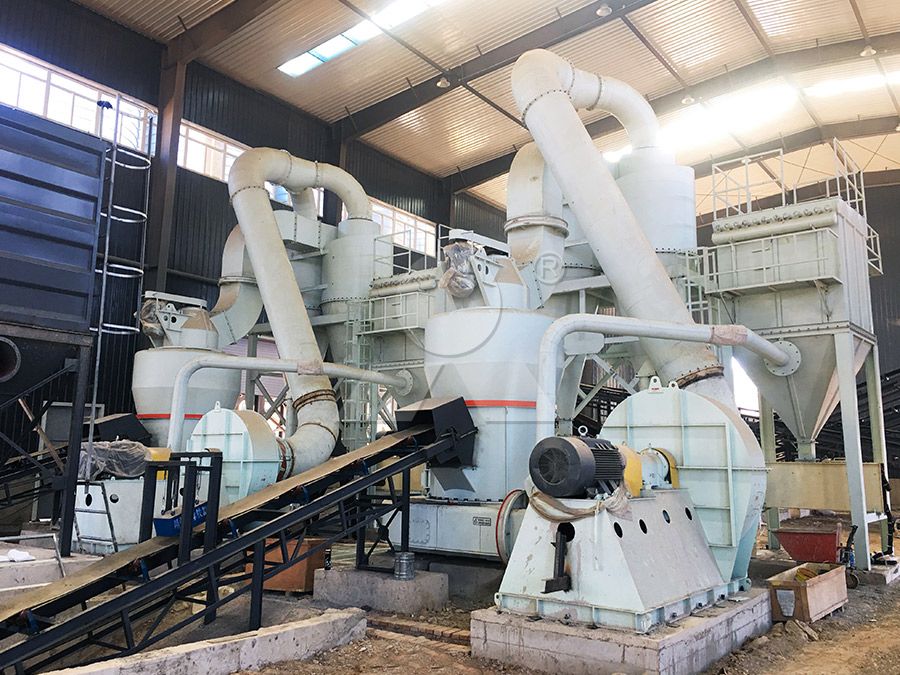
Classification is another vital unit operation that directly impacts product quality and system efficiency. An advanced, high-precision classifier ensures that only particles meeting the target fineness leave the grinding chamber, while coarse material is efficiently returned for further size reduction. This closed-loop system prevents over-grinding, which wastes energy and can degrade product properties, and ensures a consistent, narrow particle size distribution.
Modern grinding systems are increasingly integrated with sophisticated process control systems. These digital solutions allow for real-time monitoring and adjustment of key parameters, enabling operators to maintain optimal conditions consistently. Automation not only stabilizes operations but also provides valuable data for predictive maintenance, helping to prevent unplanned downtime by flagging potential issues before they lead to failures.
Recommended Solution: MW Ultrafine Grinding Mill
For operations requiring ultra-fine powders between 325-2500 meshes, the MW Ultrafine Grinding Mill presents an exceptional solution. Engineered for higher yielding and lower energy consumption, its newly designed grinding curves enhance efficiency, offering production capacity 40% higher than jet mills while consuming only 30% of the energy. A key feature for operational optimization and worry-free maintenance is its innovative design with no rolling bearings or screws inside the grinding chamber. This eliminates common failure points and concerns about loose components causing damage, while external lubrication allows for maintenance without shutdowns, supporting continuous 24/7 production.
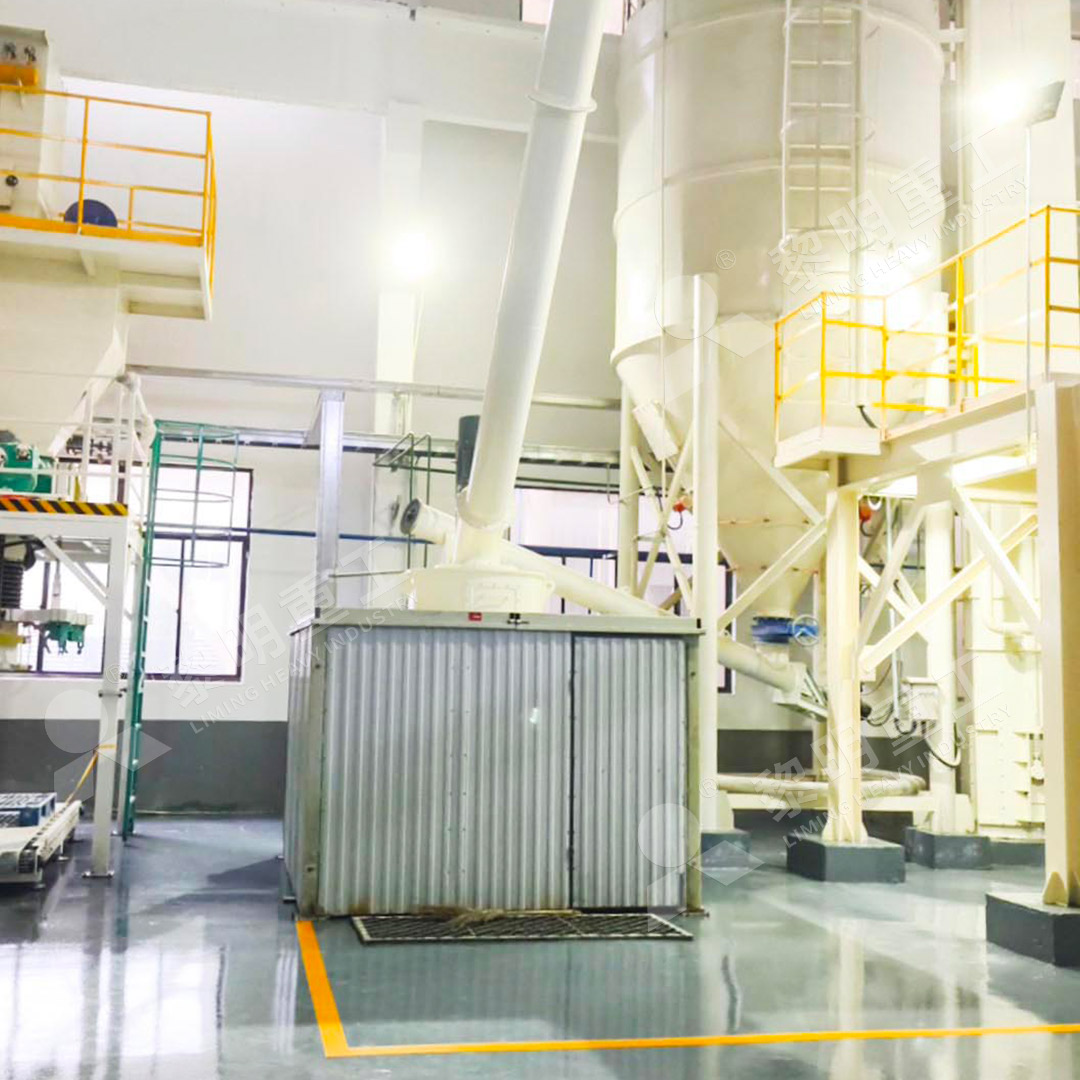
Furthermore, its integration with an efficient pulse dust collector and muffler ensures the entire production process meets stringent environmental standards, effectively controlling dust and noise pollution. This makes the MW Mill not only a high-performance unit but also a responsible choice for modern, eco-conscious production facilities looking to optimize their fine and ultra-fine powder production lines.
Enhancing Efficiency with LUM Ultrafine Vertical Technology
Complementing the MW series for certain applications, the LUM Ultrafine Vertical Grinding Mill integrates the latest grinding roller and powder separating technology. Its unique roller shell and lining plate grinding curve are designed to generate a stable material layer more easily, enabling a high rate of finished product in a single pass. This design significantly enhances grinding efficiency and improves the whiteness and cleanliness of the final product. Its reversible structure, another boon for optimization, allows for easy and rapid maintenance of heavy grinding rollers, drastically reducing downtime for checks and part replacements.
Frequently Asked Questions (FAQ)
What are the primary goals of optimizing a grinding mill circuit?
The main goals are to maximize production throughput, minimize specific energy consumption (kWh/ton), achieve consistent target product fineness and quality, reduce wear on grinding media and liners, and ensure the entire process operates within environmental regulations for dust and noise.
How does the absence of rolling bearings in the grinding chamber, as in the MW Mill, contribute to optimization?
It directly enhances reliability and reduces maintenance costs. By removing these high-wear components from the harsh grinding environment, the risks of bearing failure and associated unplanned downtime are eliminated. It also allows for external lubrication, enabling maintenance without stopping production, which is crucial for high-availability operations.
Why is classifier efficiency so important?
An efficient classifier ensures that the mill is not wasting energy by over-grinding material that has already reached the desired size. It returns coarse particles for further grinding and allows only correctly sized product to pass, leading to a sharper particle size distribution, higher quality product, and lower energy use per ton of output.
Can these advanced mills handle variations in feed material?
Yes, models like the MW and LUM mills are designed with adjustability in mind. Parameters such as grinding pressure, rotor speed on the classifier, and air flow can be adjusted to accommodate variations in feed size, hardness, or moisture content, helping to maintain consistent product quality despite fluctuations in feedstock.