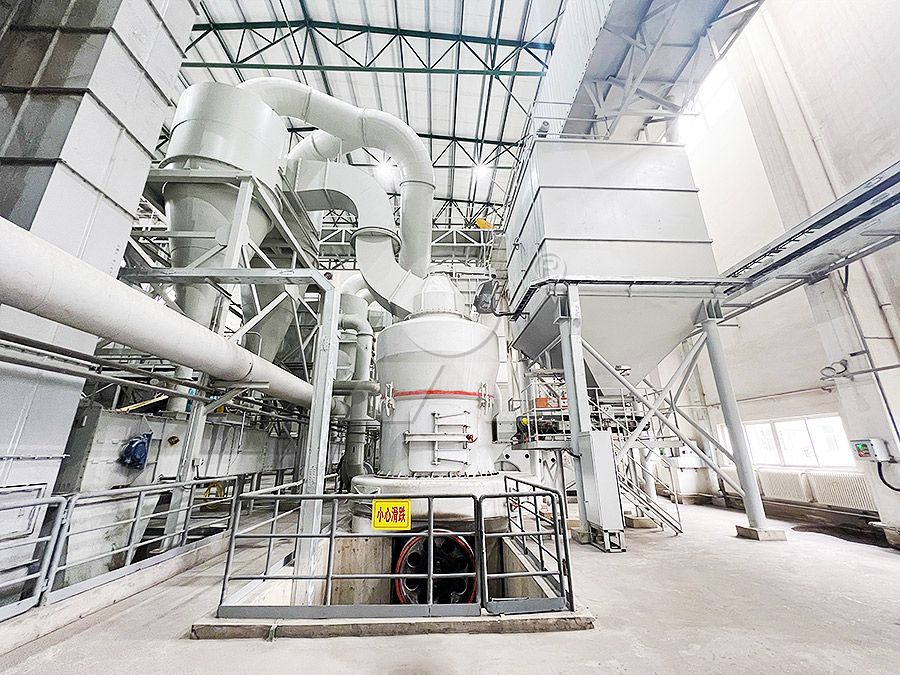
Optimizing the Last Grinding Process in Cement Production with Advanced Grinding Mills
We provide a wide range of mills — including Raymond mill, trapezoidal mill, vertical mill, ultrafine mill, and ball mill, obtained ISO9001 international quality certification, EU CE certification, and Customs Union CU-TR certification. Suitable for processing minerals such as limestone, phosphate, quicklime, kaolin, talc, barite, bentonite, calcium carbonate, dolomite, coal, gypsum, clay, carbon black, slag, cement raw materials, cement clinker, and more.
The discharge range of these mills can be adjusted to meet specific processing needs, typically from 80-400 mesh, 600-3250 mesh, and can achieve the finest particle size of up to 6000 mesh(D50).
If you are looking for a reliable grinding solution to turn stone or minerals into fine powder, please feel free to contact our online customer service.
Optimizing the Last Grinding Process in Cement Production with Advanced Grinding Mills
The final grinding stage in cement production is critical for achieving the desired fineness and quality of the final product. Advanced grinding mills, such as the MW Ultrafine Grinding Mill and LUM Ultrafine Vertical Grinding Mill, offer significant advantages in terms of efficiency, energy savings, and environmental friendliness. These mills are designed to meet the rigorous demands of modern cement plants, ensuring optimal performance and reduced operational costs.
The Importance of the Last Grinding Process
The last grinding process in cement production determines the particle size distribution and reactivity of the cement. Achieving the right fineness is essential for the cement’s strength and durability. Traditional grinding mills, such as ball mills, often fall short in terms of energy efficiency and precision. Advanced grinding mills, on the other hand, leverage cutting-edge technology to deliver superior results.
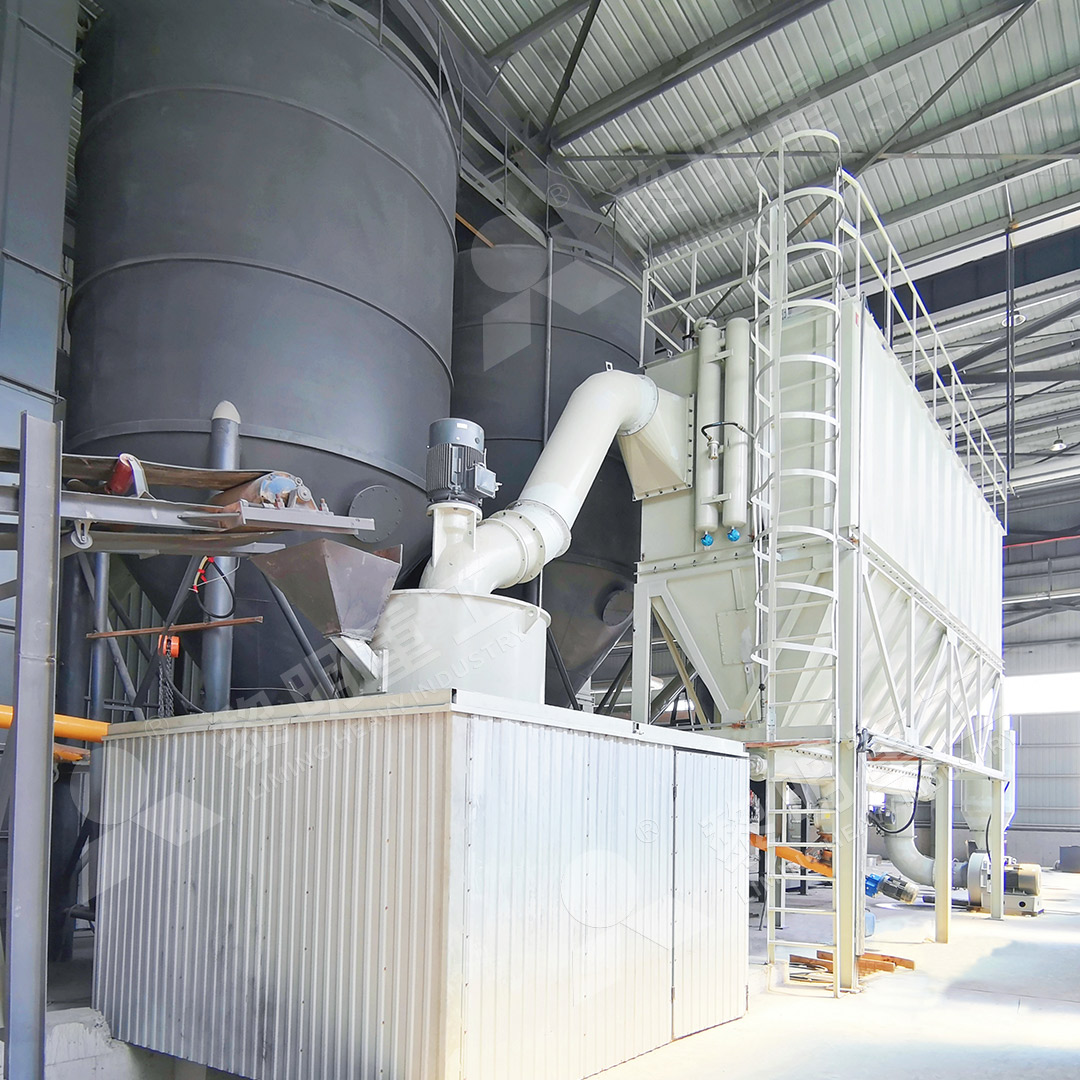
MW Ultrafine Grinding Mill: A Game-Changer for Cement Production
The MW Ultrafine Grinding Mill is a standout solution for the last grinding stage. With an input size of 0-20 mm and a capacity of 0.5-25 tph, this mill is ideal for producing ultra-fine powder. Its innovative design includes a pulse dust collector and muffler, reducing dust and noise emissions, making it environmentally friendly.
Key features of the MW Ultrafine Grinding Mill include:
- Higher Yielding, Lower Energy Consumption: The mill’s grinding efficiency is 40% higher than jet grinding mills and twice that of ball mills, while consuming only 30% of the energy.
- Adjustable Fineness: The fineness can be adjusted between 325-2500 meshes, with a screening rate of d97≤5μm.
- Dust-Free Operation: Equipped with a pulse dust collector, the mill ensures no dust pollution during operation.
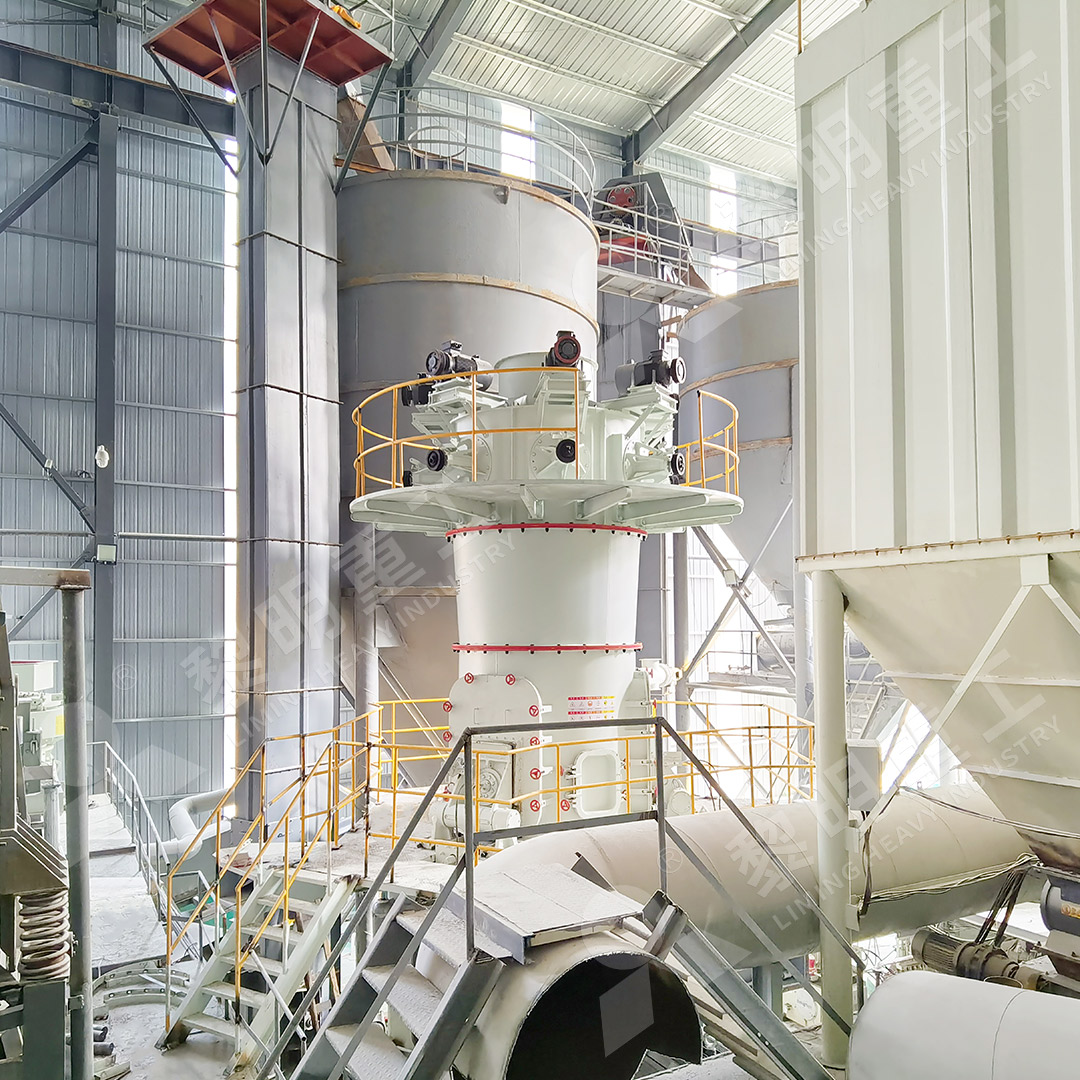
LUM Ultrafine Vertical Grinding Mill: Precision and Efficiency
Another excellent option for the last grinding process is the LUM Ultrafine Vertical Grinding Mill. With an input size of 0-10 mm and a capacity of 5-18 tph, this mill integrates ultrafine powder grinding, grading, and transporting into a single system. It features advanced roller technology and German powder separating technology for unparalleled performance.
Notable advantages of the LUM Ultrafine Vertical Grinding Mill include:
- Higher Yielding Rate, Better Quality: Unique roller shell and lining plate design ensure high-quality finished products with minimal iron content.
- Energy-Saving Multi-Head Powder Separating Technology: Reduces energy consumption by 30%-50% compared to traditional mills.
- Stable Operation: Double position-limiting technology prevents destructive impacts, ensuring smooth operation.
Conclusion
Optimizing the last grinding process in cement production is essential for achieving high-quality cement with minimal energy consumption and environmental impact. The MW Ultrafine Grinding Mill and LUM Ultrafine Vertical Grinding Mill from LIMING Heavy Industry are at the forefront of grinding technology, offering unmatched efficiency, precision, and sustainability. By adopting these advanced mills, cement plants can significantly enhance their production capabilities while reducing costs and environmental footprint.