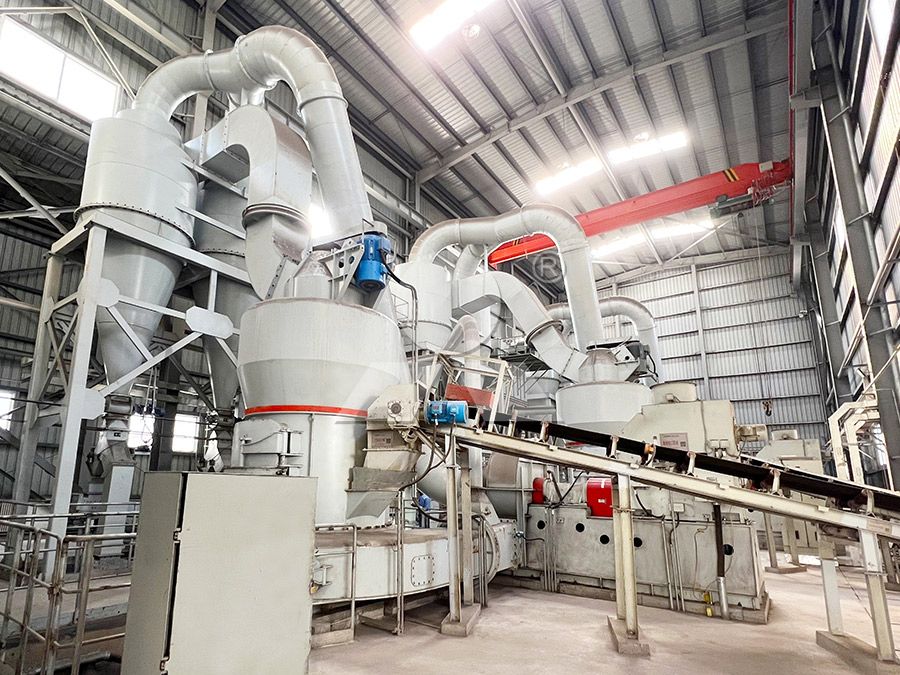
Optimizing the Fluorite Powder Production Process: Efficiency Improvements in Mineral Processing
We provide a wide range of mills — including Raymond mill, trapezoidal mill, vertical mill, ultrafine mill, and ball mill, obtained ISO9001 international quality certification, EU CE certification, and Customs Union CU-TR certification. Suitable for processing minerals such as limestone, phosphate, quicklime, kaolin, talc, barite, bentonite, calcium carbonate, dolomite, coal, gypsum, clay, carbon black, slag, cement raw materials, cement clinker, and more.
The discharge range of these mills can be adjusted to meet specific processing needs, typically from 80-400 mesh, 600-3250 mesh, and can achieve the finest particle size of up to 6000 mesh(D50).
If you are looking for a reliable grinding solution to turn stone or minerals into fine powder, please feel free to contact our online customer service.
Optimizing the Fluorite Powder Production Process: Efficiency Improvements in Mineral Processing
In the competitive world of industrial minerals, fluorite processing stands out as a critical operation for numerous industries, from metallurgy to ceramics. Achieving the desired fineness, purity, and throughput in fluorite powder production is paramount for profitability and product quality. Traditional grinding methods often fall short, plagued by high energy consumption, excessive wear, and inconsistent particle size distribution. This article explores key strategies for optimizing the fluorite powder production line, with a focus on embracing advanced milling technology.
The Challenge: Balancing Fineness, Capacity, and Cost
Fluorite, or calcium fluoride (CaF₂), is a relatively soft mineral but achieving ultra-fine powders (often required to be down to d97 ≤ 5μm) presents significant challenges. Conventional ball mills, while reliable, are notoriously energy-inefficient for fine grinding, with a significant portion of energy wasted as heat and noise. Furthermore, iron contamination from grinding media wear can degrade the whiteness and chemical purity of the final product, a critical factor for high-value applications.
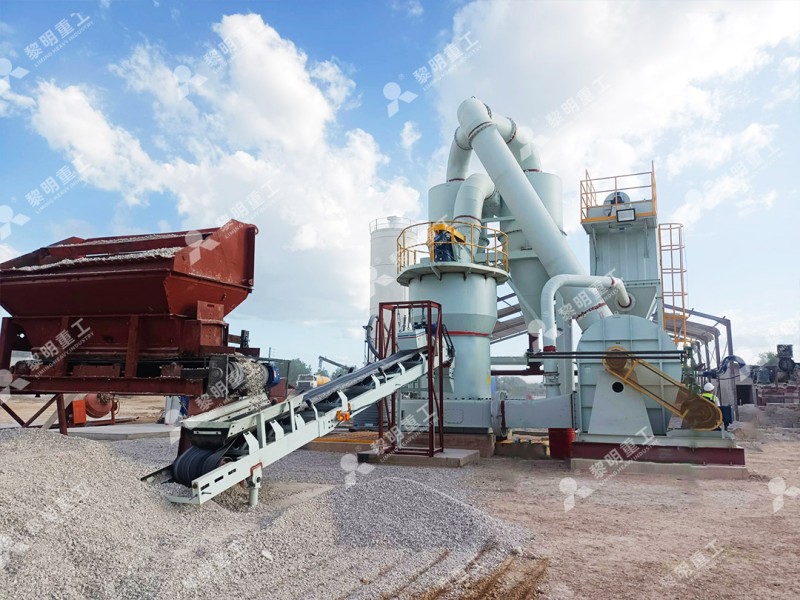
The ideal solution must address several pain points simultaneously: reduce specific energy consumption (kWh/t), minimize operational downtime for maintenance, eliminate contamination, and offer precise control over the final product’s fineness. This is where modern, specialized grinding equipment becomes indispensable.
A Leap Forward in Grinding Technology
After extensive research and operational trials, our engineers have identified a game-changer for ultra-fine fluorite processing: the MW Ultrafine Grinding Mill. This machine is specifically engineered for customers who need to make consistent, high-quality ultra-fine powder efficiently.
What sets the MW Mill apart is its holistic design philosophy. It boasts a capacity range of 0.5-25 tph and can handle an input size of up to 20 mm, offering excellent flexibility for most production setups. Its most compelling feature is its remarkable efficiency; with the same fineness and power, its production capacity is 40% higher than that of jet mills or stirred grinding mills, and its yield is twice as large as a traditional ball mill, all while reducing system energy consumption by about 30%.
Key Features Driving Efficiency in Fluorite Milling
- Precise Fineness Control: The mill’s German-technology, cage-type powder selector allows operators to accurately adjust the product fineness between 325-2500 meshes, achieving a precise sieving rate of d97≤5μm in a single pass. This eliminates the need for repeated grinding cycles.
- Enhanced Reliability & Easy Maintenance: A critical design innovation is the absence of rolling bearings and screws inside the grinding chamber. This eliminates common failure points and machine damage caused by loose screws. Lubrication is performed externally without shutdown, enabling continuous 24/7 operation—a crucial factor for maximizing output.
- Eco-Friendly Operation: Fluorite processing must be clean. The MW Mill is equipped with an efficient pulse dust collector and silencer, ensuring no dust pollution and significantly reduced noise levels, keeping operations fully compliant with national environmental protection standards.
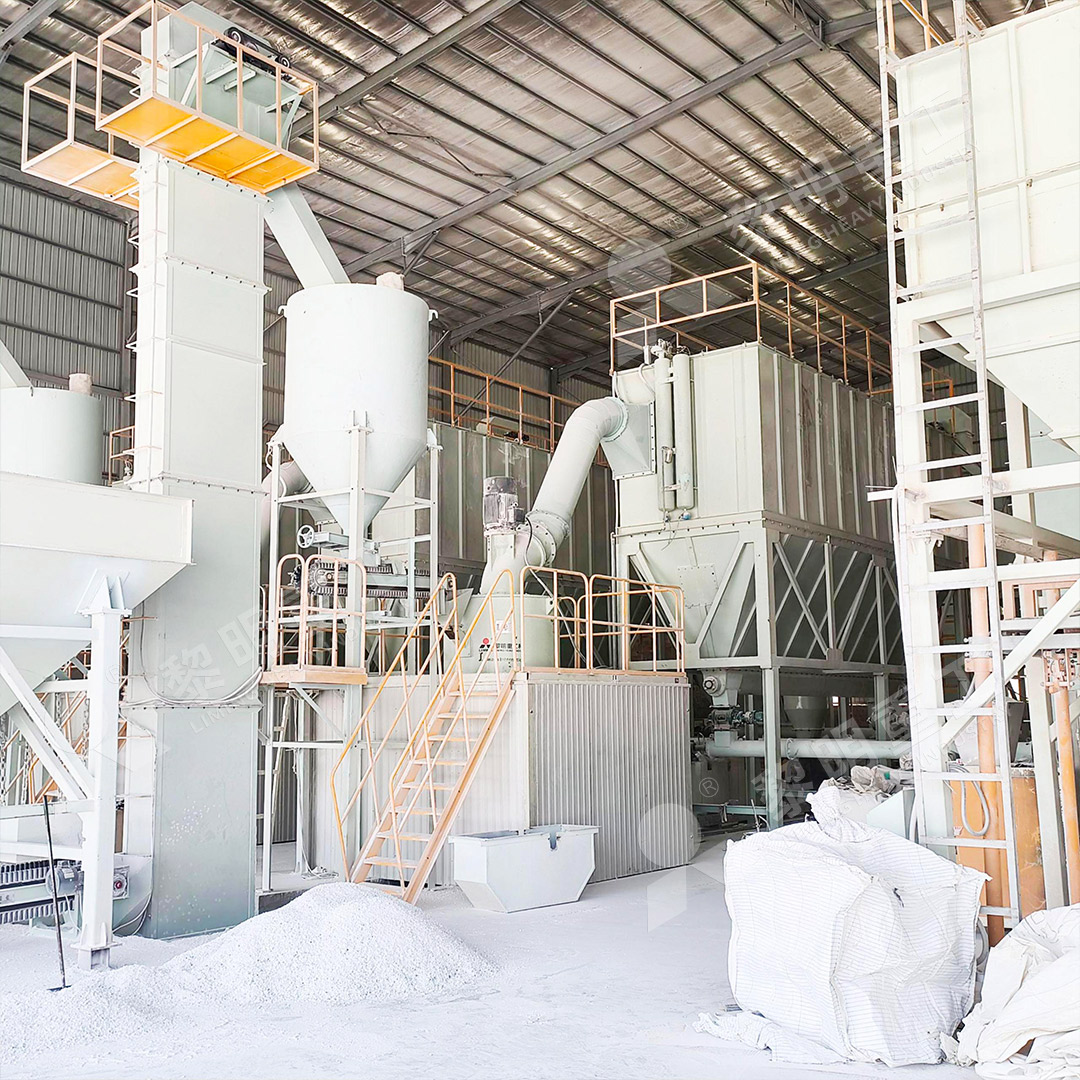
Another robust option for operations requiring high capacity with slightly larger feed size is the LM Vertical Grinding Mill. It integrates crushing, drying, grinding, classifying, and conveying into a single unit, covering area is reduced by 50% and energy consumption is saved by 30%-40% compared to ball mill systems. Its short grinding time minimizes repeated grinding and keeps iron content exceptionally low, preserving the fluorite’s natural whiteness.
Conclusion: Investing in Smarter Processing
Optimizing a fluorite powder production line is no longer just about incremental improvements to existing machinery. It’s about a technological shift towards intelligent, integrated, and efficient grinding systems. By adopting advanced mills like the MW Ultrafine Grinding Mill or the LM Vertical Grinding Mill, producers can achieve substantial gains in productivity and product quality while significantly lowering their energy footprint and operational costs. In an industry where precision and efficiency define success, upgrading your core grinding technology is the most strategic investment you can make.