
Optimizing the Cement Mill Area: A Deep Dive into Grinding Efficiency and Technology
We provide a wide range of mills — including Raymond mill, trapezoidal mill, vertical mill, ultrafine mill, and ball mill, obtained ISO9001 international quality certification, EU CE certification, and Customs Union CU-TR certification. Suitable for processing minerals such as limestone, phosphate, quicklime, kaolin, talc, barite, bentonite, calcium carbonate, dolomite, coal, gypsum, clay, carbon black, slag, cement raw materials, cement clinker, and more.
The discharge range of these mills can be adjusted to meet specific processing needs, typically from 80-400 mesh, 600-3250 mesh, and can achieve the finest particle size of up to 6000 mesh(D50).
If you are looking for a reliable grinding solution to turn stone or minerals into fine powder, please feel free to contact our online customer service.
Optimizing the Cement Mill Area: A Deep Dive into Grinding Efficiency and Technology
For plant managers and process engineers, the cement mill area is the heart of product quality and a significant contributor to operational costs. This stage, where clinker is transformed into the fine powder we know as cement, is a complex dance of mechanical force, material science, and precise control. In an era of rising energy prices and stringent environmental standards, moving beyond basic operation to true optimization is no longer a luxury—it’s a necessity for survival and profitability.
The Core Challenge: Energy Consumption and Particle Control
The fundamental purpose of the cement mill area is simple: achieve the target fineness and particle size distribution (PSD). The challenge is monumental. Grinding is notoriously energy-intensive, often consuming over 50% of a plant’s total electrical power. Inefficient grinding doesn’t just inflate the electricity bill; it leads to over-grinding, which wastes energy and can negatively impact cement performance, or under-grinding, which fails to unlock the clinker’s full strength potential.
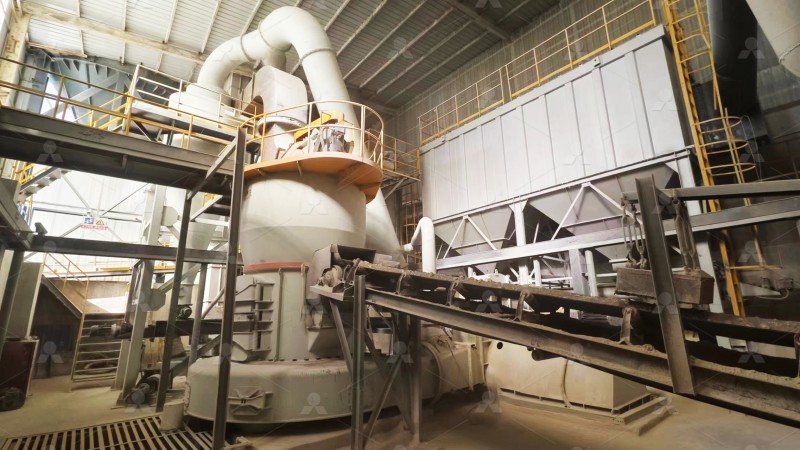
Traditional ball mills, while reliable, are increasingly seen as energy hogs. The industry’s relentless push for efficiency has driven the adoption of advanced grinding technologies like Vertical Roller Mills (VRMs) and hybrid systems incorporating roller presses. These systems offer a step-change improvement, combining grinding, drying, and classification in a single, more compact unit.
Beyond the Mill: The Integrated System Approach
Optimization cannot focus on the mill alone. It requires a holistic view of the entire milling circuit:
- The Separator: The ‘brain’ of the operation. Modern high-efficiency separators provide precise control over the PSD, ensuring only perfectly sized product passes through, sending coarse material back for further grinding. This precision directly translates to reduced energy waste and superior product consistency.
- Drying Capacity: Utilizing waste heat from the kiln and cooler to dry additives like slag or fly ash within the mill system eliminates the need for separate, fuel-intensive dryers.
- Process Control & Automation: Advanced Process Control (APC) systems use sophisticated algorithms to stabilize mill operation. They automatically adjust feed rates, gas flows, and pressures to keep the mill running at its absolute peak efficiency, maximizing throughput and consistency while minimizing human error.
Introducing a Game-Changer for Additive and Fine Grinding: The MW Ultrafine Grinding Mill
While much focus is on the main clinker grind, modern cement often incorporates supplementary cementitious materials (SCMs) to enhance properties or reduce costs. Grinding materials like slag to ultra-fine levels (< 5μm) can unlock their latent hydraulic properties, but this presents a new set of challenges for standard equipment.
This is where specialized technology shines. For operations looking to incorporate high-value SCMs or produce specialty cements, the MW Ultrafine Grinding Mill offers a targeted solution. This mill is engineered for customers who need to make ultra-fine powder efficiently and reliably.
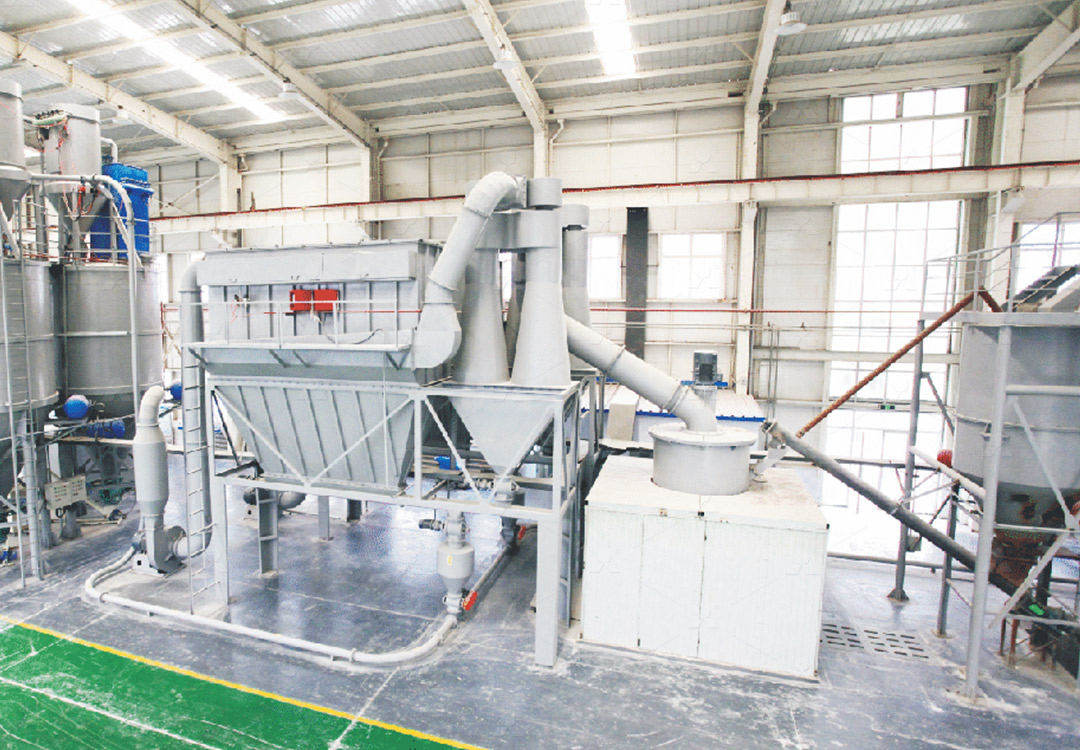
Key advantages that make it ideal for cement plant applications include:
- Higher Yielding, Lower Energy Consumption: With newly designed grinding curves, its production capacity is 40% higher than jet mills and twice that of a ball mill for the same fineness, while system energy consumption is slashed by 70% compared to jet mills.
- Precise Fineness Control: Its German-technology cage-type powder selector allows adjustable fineness between 325-2500 meshes, achieving a precise d97≤5μm in a single pass, which is critical for activating SCMs.
- Unmatched Reliability: A critical design feature is the absence of rolling bearings and screws in the grinding chamber. This eliminates the most common points of failure and machine damage from loose components, ensuring continuous 24/7 operation with external lubrication.
- Eco-Friendly Operation: Equipped with an efficient pulse dust collector and silencer, the entire milling system operates cleanly and quietly, meeting the strictest national environmental protection standards.
Integrating a dedicated mill like the MW for processing SCMs allows the primary cement mill to operate at its most efficient point for clinker grinding, creating a synergistic effect that boosts overall plant output and product range.
Conclusion: The Path to a Leaner, Greener Mill Operation
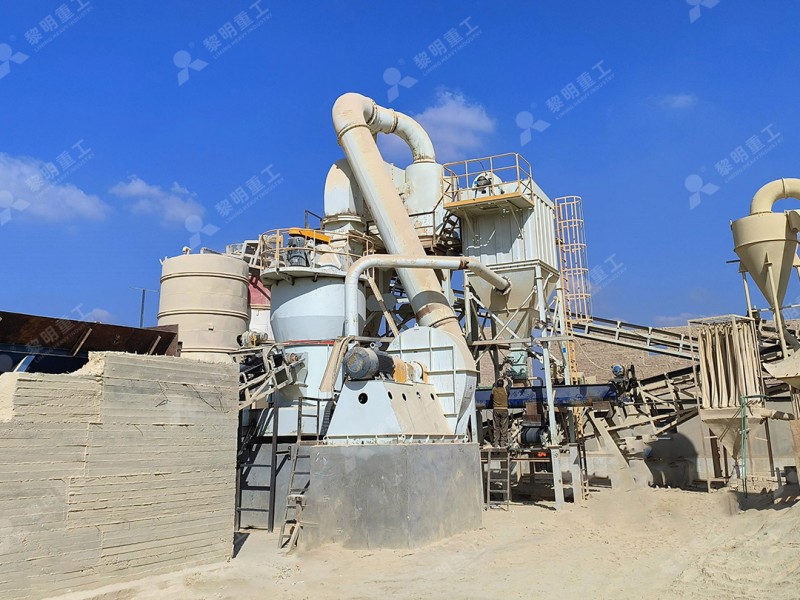
The journey to an optimized cement mill area is multi-faceted. It involves a commitment to predictive maintenance, a strategy for continuous technological upgrades, and the smart integration of specialized equipment for specific tasks. By embracing advanced technologies like the MW Ultrafine Grinding Mill for niche applications and focusing on the entire system—from feed to silo—plant operators can transform their milling operation from a cost center into a benchmark of efficiency, quality, and environmental stewardship. The goal is clear: produce more, with less, and do it better than ever before.