
Optimizing Slag Grinding Efficiency: A Deep Dive into the 1700 Vertical Mill
We provide a wide range of mills — including Raymond mill, trapezoidal mill, vertical mill, ultrafine mill, and ball mill, obtained ISO9001 international quality certification, EU CE certification, and Customs Union CU-TR certification. Suitable for processing minerals such as limestone, phosphate, quicklime, kaolin, talc, barite, bentonite, calcium carbonate, dolomite, coal, gypsum, clay, carbon black, slag, cement raw materials, cement clinker, and more.
The discharge range of these mills can be adjusted to meet specific processing needs, typically from 80-400 mesh, 600-3250 mesh, and can achieve the finest particle size of up to 6000 mesh(D50).
If you are looking for a reliable grinding solution to turn stone or minerals into fine powder, please feel free to contact our online customer service.
Optimizing Slag Grinding Efficiency: A Deep Dive into the 1700 Vertical Mill
In the demanding world of mineral processing and industrial waste recycling, achieving optimal grinding efficiency is paramount. Slag, a by-product of steel production, presents unique challenges due to its abrasive nature and variable composition. The quest for higher throughput, lower energy consumption, and superior product quality has led to the widespread adoption of vertical roller mills (VRMs), with the 1700 series representing a significant leap forward in this technology.
The Slag Grinding Challenge
Traditional grinding systems, like ball mills, often struggle with slag’s hardness. They are typically energy-intensive, have higher wear rates on grinding media, and offer less control over particle size distribution. The vertical mill adresses these issues head-on with its unique principle of applying pressure and shear forces between a rotating table and rollers.
Key Advantages of the Vertical Mill for Slag
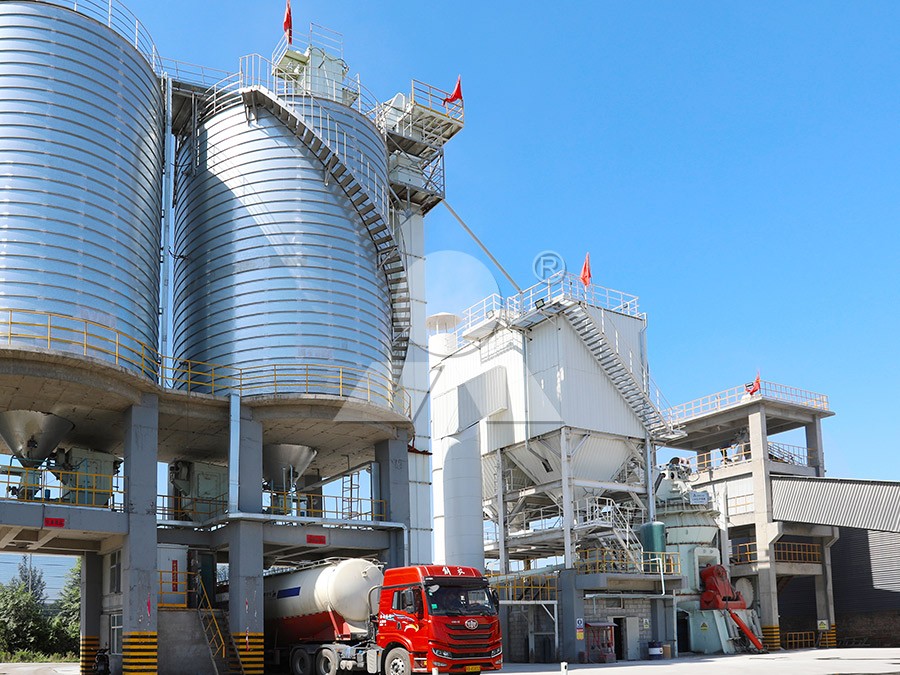
The design of modern vertical mills, such as our advanced LM Vertical Slag Mill, is specifically engineered for these tough applications. It integrates drying, grinding, powder selection, and conveying into a single, compact unit. This integration alone reduces the occupied area by approximately 50% compared to a ball mill system. More importantly, its energy consumption is dramatically lower, typically 30% to 40% less than traditional ball milling systems for the same output.
The heart of its efficiency lies in its grinding mechanism. The material is ground between the rollers and the rotating table, and the immediate removal of fine particles by the internal air stream prevents over-grinding. This results in a narrower, more consistent particle size distribution and a lower iron content in the final product—a critical factor for slag used in cement blends.
Beyond the 1700: Tailored Solutions for Ultra-Fine Requirements
While the 1700 vertical mill excels at standard slag powder production, some advanced applications demand even finer powders. For customers requiring ultra-fine slag powder with superior properties, we highly recommend our MW Ultrafine Grinding Mill. This machine is a powerhouse for fine and ultra-fine grinding, capable of achieving adjustable fineness between 325 and 2500 meshes.
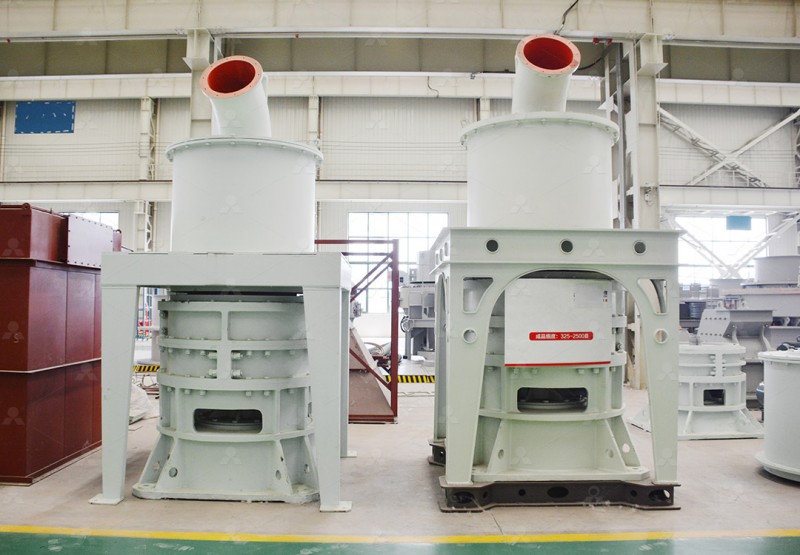
The MW Mill boasts several innovative features that make it ideal for high-value slag products. It offers higher yielding and lower energy consumption, with a production capacity 40% higher than jet mills and double that of ball mills for the same power input. Its cage-type powder selector, incorporating German technology, ensures exceptional precision in particle separation. A significant maintenance advantage is the absence of rolling bearings and screws in the grinding chamber, eliminating common failure points and allowing for external lubrication without shutdown.
Operational Stability and Environmental Compliance
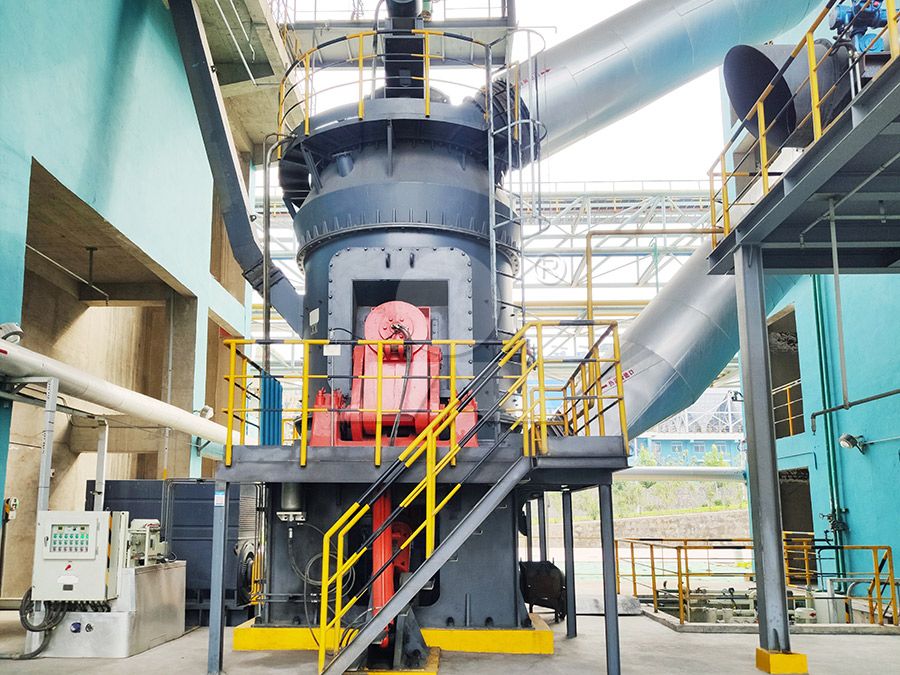
Modern vertical mills are designed for continuous, stable operation. Features like limiting devices to prevent roller-to-table contact and hydraulic systems for easy roller maintenance ensure high availability and reduce downtime. Furthermore, the entire grinding system operates under negative pressure, effectively containing dust. Coupled with efficient pulse dust collectors and mufflers, our LM and MW mills operate well within international environmental standards, making them not only efficient but also exceptionally clean.
Conclusion
The evolution of the vertical roller mill, exemplified by the robust LM Vertical Slag Mill for general use and the precision-oriented MW Ultrafine Grinding Mill for specialized applications, has revolutionized slag processing. By focusing on energy efficiency, product quality, operational stability, and environmental protection, these mills offer a comprehensive and future-proof solution for transforming industrial waste into a valuable resource. For any operation serious about optimizing its slag grinding circuit, investing in this technology is a strategic move toward sustainability and profitability.