
Optimizing Production Processes for High-Quality Manganese Feldspar Powder Manufacturing
We provide a wide range of mills — including Raymond mill, trapezoidal mill, vertical mill, ultrafine mill, and ball mill, obtained ISO9001 international quality certification, EU CE certification, and Customs Union CU-TR certification. Suitable for processing minerals such as limestone, phosphate, quicklime, kaolin, talc, barite, bentonite, calcium carbonate, dolomite, coal, gypsum, clay, carbon black, slag, cement raw materials, cement clinker, and more.
The discharge range of these mills can be adjusted to meet specific processing needs, typically from 80-400 mesh, 600-3250 mesh, and can achieve the finest particle size of up to 6000 mesh(D50).
If you are looking for a reliable grinding solution to turn stone or minerals into fine powder, please feel free to contact our online customer service.
Optimizing Production Processes for High-Quality Manganese Feldspar Powder Manufacturing
In the competitive world of industrial minerals, the production of high-quality manganese feldspar powder demands precision, efficiency, and a deep understanding of grinding technology. Manganese feldspar, valued for its glass and ceramic applications, requires a consistent particle size distribution and high purity to meet stringent industry standards. Achieving this consistently is no small feat, and the choice of grinding equipment is paramount to the entire operation’s success.
Traditional milling solutions often fall short, struggling with issues like inconsistent fineness, high energy consumption, and excessive iron contamination from mechanical wear. These shortcomings can directly impact the final product’s color, chemical composition, and performance, leading to rejected batches and dissatisfied customers. The key to overcoming these challenges lies in adopting advanced, purpose-built grinding technology.
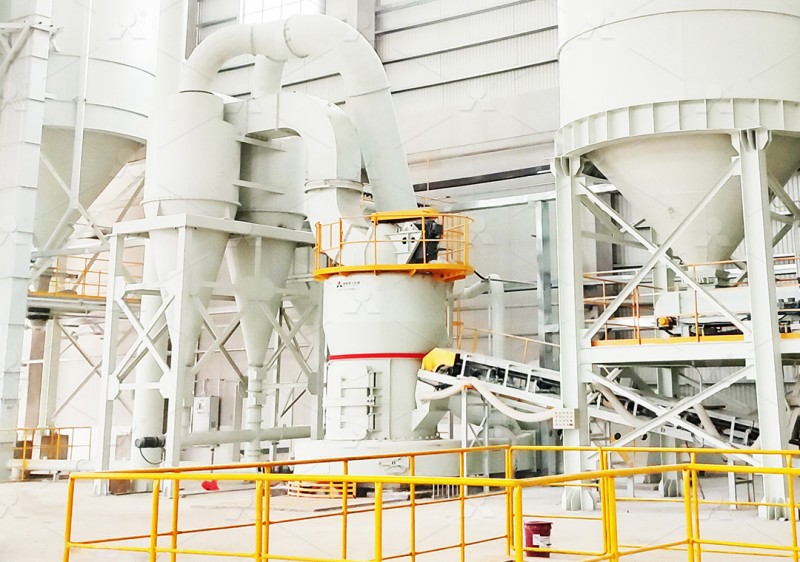
The Core of Modern Milling: Advanced Grinding Solutions
For operations focused on ultra-fine powders (325-2500 meshes), the MW Ultrafine Grinding Mill presents an exceptional solution. This machine is specifically engineered for customers who need to make ultra-fine powder with higher yielding and lower energy consumption. Its newly designed grinding curves of the roller and ring enhance grinding efficiency significantly. With the same fineness and power, its production capacity is 40% higher than that of jet mills and twice as large as ball mills, while system energy consumption is just 30% of a jet mill. A standout feature for maintaining product purity is its design with no rolling bearings or screws in the grinding chamber, eliminating a primary source of iron contamination from worn parts. This is crucial for manganese feldspar, where iron content can adversely affect the whiteness and quality of the final ceramic or glass product.
Furthermore, its German-technology cage-type powder selector allows for precise fineness adjustment between 325-2500 meshes, ensuring the d97≤5μm screening rate is consistently achieved. Coupled with an efficient pulse dust collector and muffler, the entire production process is contained and eco-friendly, reducing both dust and noise pollution to meet national environmental protection standards.
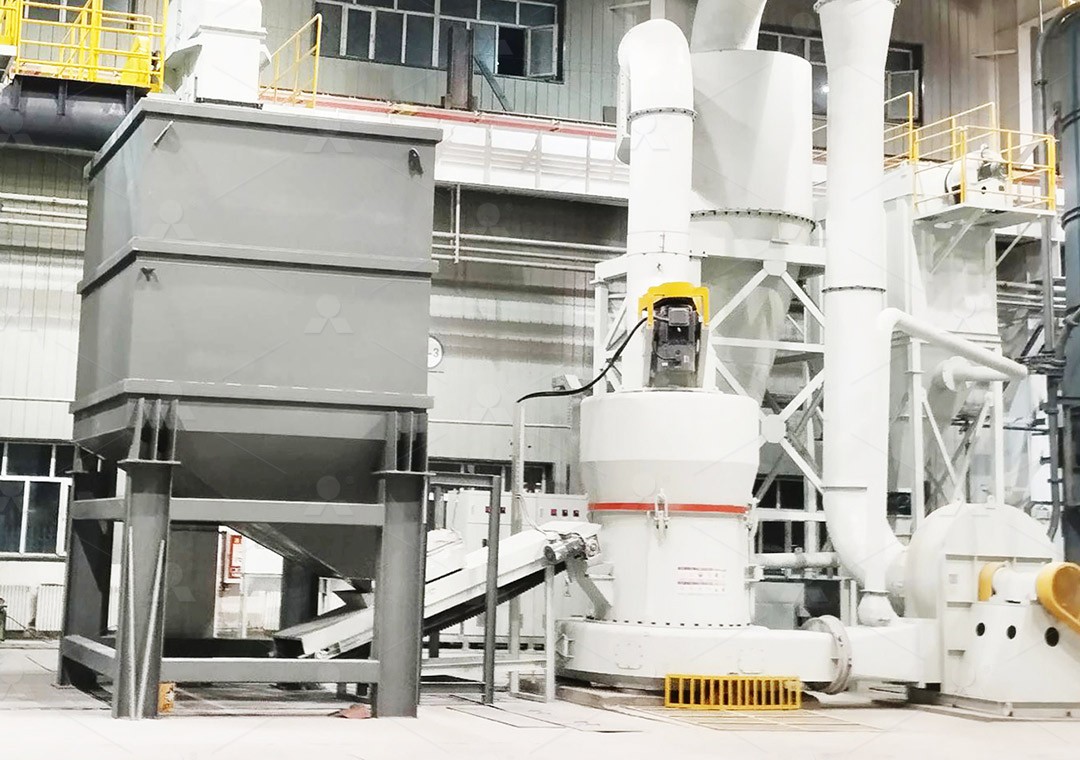
Streamlining Operation and Ensuring Purity
Beyond the MW model, for operations requiring a robust vertical solution, the LUM Ultrafine Vertical Grinding Mill is another excellent choice. It integrates ultrafine powder grinding, grading, and transporting, making it a superior choice in the industry. Its unique roller shell and lining plate grinding curve are designed to avoid traditional problems like long lingering time and high iron content. This design promotes easier material layer generation and enables a high rate of finished products in a single pass, greatly enhancing efficiency while improving the whiteness and cleanliness of the powder—a critical factor for premium manganese feldspar output.
Both mills exemplify the shift towards intelligent, low-maintenance, and high-precision manufacturing. Their digitalized processing ensures high machining precision for all core parts, while ample spare part supply guarantees worry-free, continuous operation. This reliability is essential for maintaining tight production schedules and delivering consistent quality to clients.
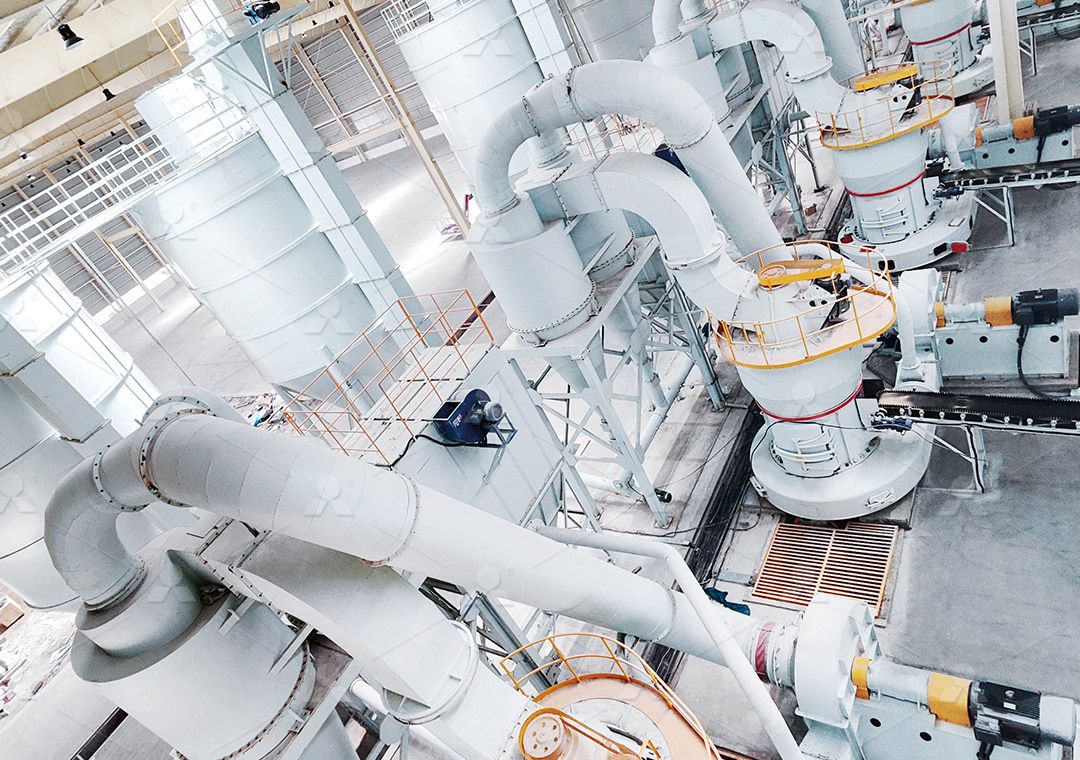
Conclusion: Investing in Quality from the Ground Up
Optimizing the production process for manganese feldspar isn’t just about increasing output; it’s about investing in technology that safeguards product integrity, minimizes operational costs, and promotes environmental responsibility. By leveraging advanced mills like the MW Ultrafine Grinding Mill or the LUM Vertical Mill, manufacturers can achieve a superior grind, exceptional product purity, and a more sustainable operation. In an industry where quality is paramount, the right equipment is not just an expense—it’s the foundation of a reputable and successful business.