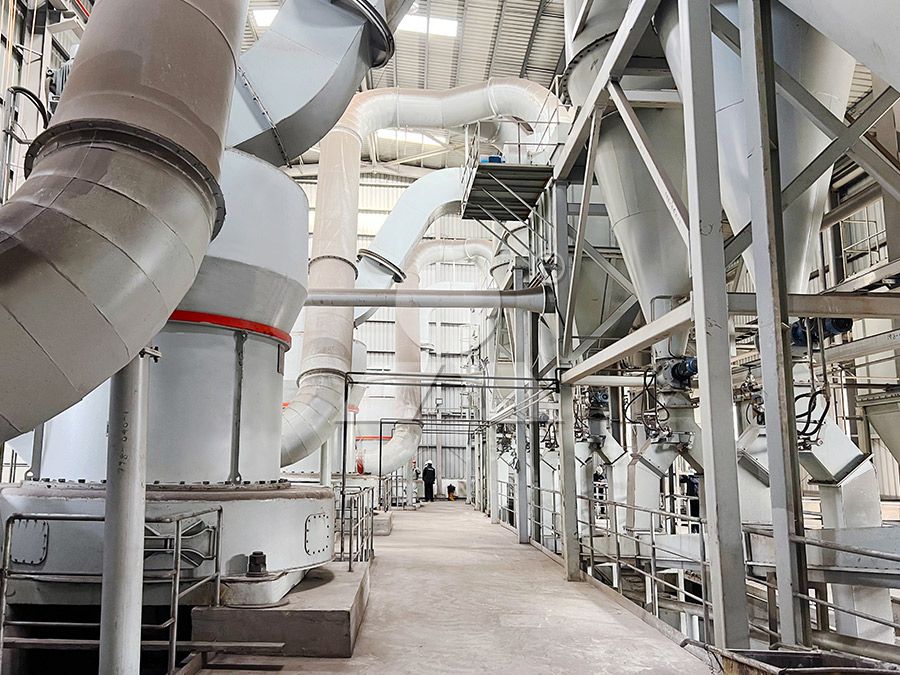
Optimizing Phosphate Rock Powder Production: A Guide to Resource Utilization Plans
We provide a wide range of mills — including Raymond mill, trapezoidal mill, vertical mill, ultrafine mill, and ball mill, obtained ISO9001 international quality certification, EU CE certification, and Customs Union CU-TR certification. Suitable for processing minerals such as limestone, phosphate, quicklime, kaolin, talc, barite, bentonite, calcium carbonate, dolomite, coal, gypsum, clay, carbon black, slag, cement raw materials, cement clinker, and more.
The discharge range of these mills can be adjusted to meet specific processing needs, typically from 80-400 mesh, 600-3250 mesh, and can achieve the finest particle size of up to 6000 mesh(D50).
If you are looking for a reliable grinding solution to turn stone or minerals into fine powder, please feel free to contact our online customer service.
Optimizing Phosphate Rock Powder Production: A Guide to Resource Utilization Plans
Phosphate rock is a critical raw material for global agriculture and industry, serving as the primary source for phosphorous fertilizers and various chemical applications. Efficiently processing this valuable resource into high-quality powder is paramount for maximizing yield, reducing waste, and ensuring economic viability. A well-structured resource utilization plan is not just about grinding rock; it’s about integrating the right technology, process control, and environmental stewardship to create a sustainable and profitable operation.
Key Challenges in Phosphate Rock Milling
Processing phosphate rock presents unique challenges. Its abrasive nature can lead to rapid wear of mill components, increasing maintenance downtime and operational costs. Furthermore, achieving the desired fineness and particle size distribution (often between 200-800 meshes for various applications) is crucial for downstream processes like acidulation for fertilizer production. Inefficient grinding leads to energy waste and suboptimal product quality. A strategic approach must address these issues head-on with robust, purpose-built equipment.
The Core of Efficiency: Advanced Grinding Technology
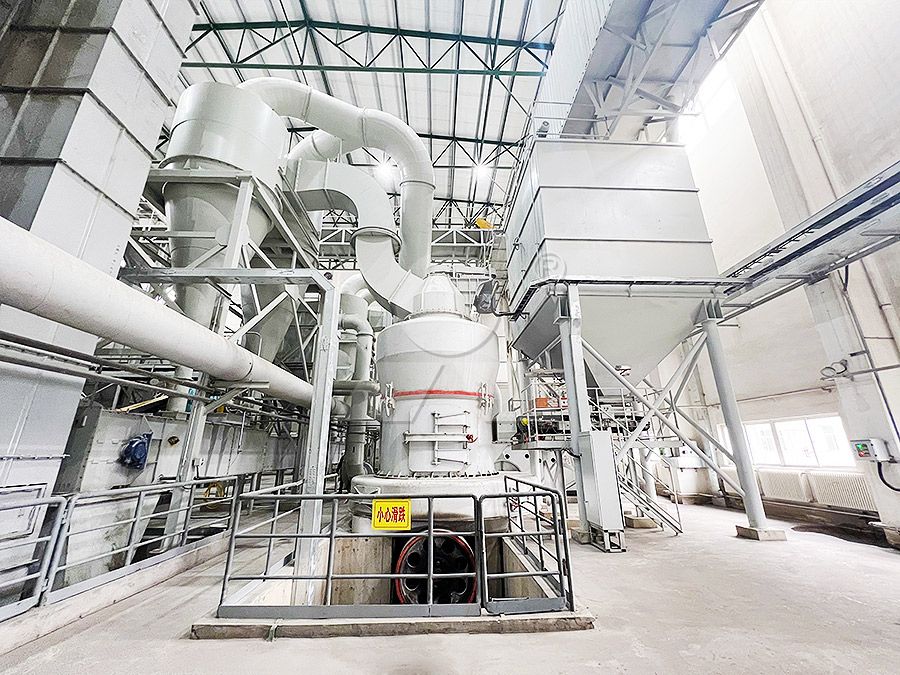
The heart of any phosphate powder production line is the grinding mill. Traditional ball mills, while common, are often energy-intensive and offer limited control over fineness. Modern operations are turning to advanced vertical grinding and ultrafine milling technologies to overcome these limitations. These systems offer superior energy efficiency, precise particle size control, and integrated drying capabilities—essential for phosphate rock which may contain moisture.
For operations requiring ultra-fine powders for specialized industrial applications, the MW Ultrafine Grinding Mill presents an exceptional solution. This machine is specifically engineered for customers who need to make ultra-fine powder from minerals like phosphate rock. With an input size of 0-20 mm and a capacity range of 0.5-25 tph, it offers remarkable flexibility. Its cage-type powder selector, adopting German technologies, allows for precise fineness adjustment between 325-2500 meshes, achieving a screening rate of d97≤5μm in a single pass. A significant design advantage is the absence of rolling bearings and screws in the grinding chamber, eliminating common failure points and enabling worry-free 24/7 operation. Furthermore, its efficient pulse dust collector and muffler ensure the production process meets stringent environmental protection standards, reducing both dust and noise pollution effectively.
Building a Holistic Resource Utilization Plan
Selecting the right equipment is only one piece of the puzzle. A comprehensive plan must also consider:
- Feedstock Analysis: Consistently analyzing the incoming phosphate rock for hardness, moisture content, and impurities allows for real-time adjustments to mill parameters, optimizing performance and wear.
- Energy Management: Leveraging high-efficiency mills like the MW series, which can offer 40% higher capacity than jet mills and reduce system energy consumption by up to 30%, directly impacts the bottom line and carbon footprint.
- Waste Minimization: A closed-loop system with efficient internal classification ensures that only product meeting specifications exits the mill, with oversize material continuously recirculated for further grinding, maximizing resource yield.
- Lifecycle Costing: Looking beyond the initial investment to factor in maintenance, spare parts availability, and potential downtime is critical. Choosing a supplier like LIMING, which guarantees sufficient supply of original spare parts and technical support, ensures long-term, worry-free operation.
Conclusion: Investing in Sustainable Productivity
Optimizing phosphate rock powder production is an exercise in smart resource management. By moving beyond conventional milling and adopting advanced, efficient technologies like the MW Ultrafine Grinding Mill, producers can significantly enhance their product quality, reduce operational costs, and minimize their environmental impact. A thoughtful utilization plan that integrates the right technology with proactive process management is the key to unlocking the full value of this essential resource, ensuring profitability and sustainability for years to come.