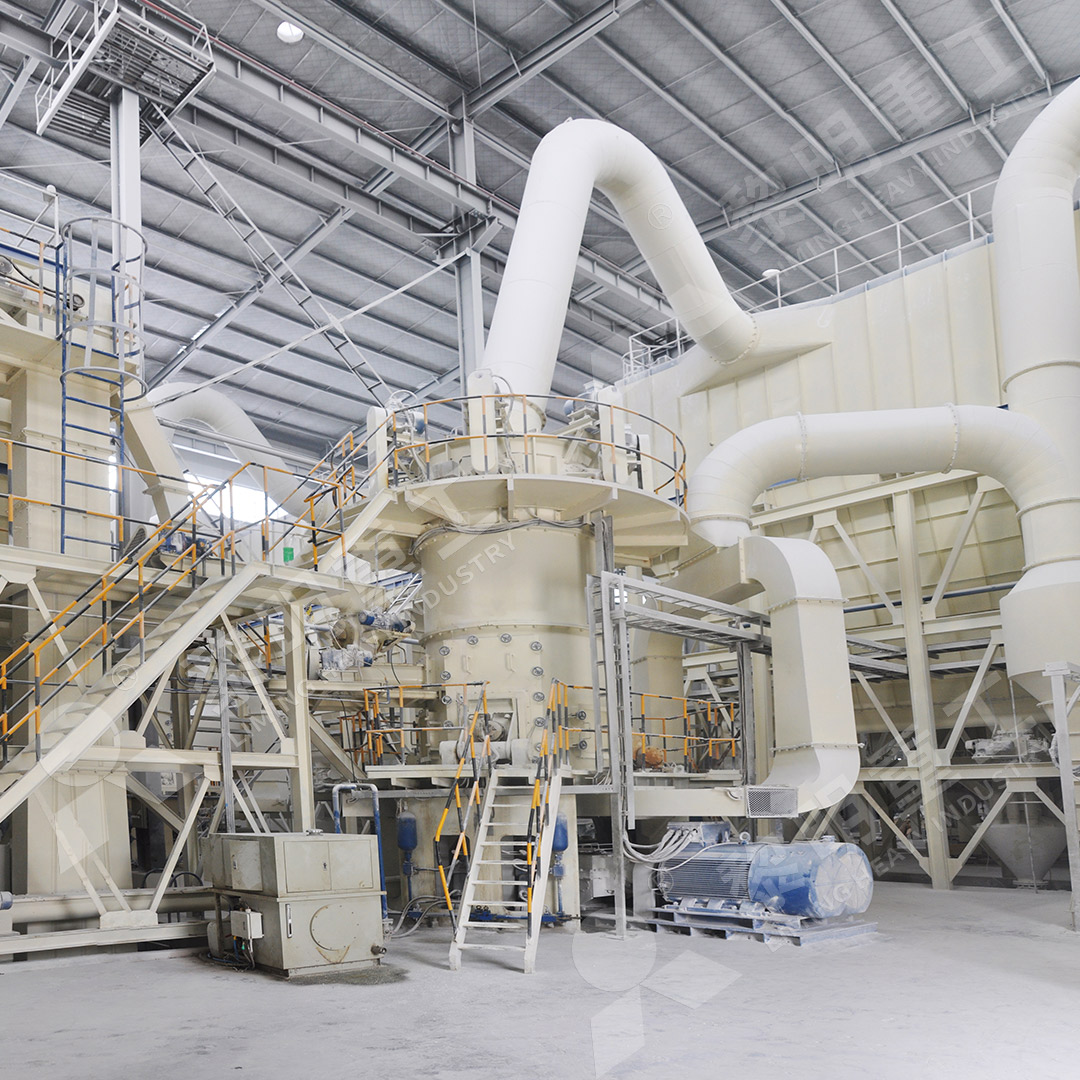
Optimizing Manganese Processing in South Africa: Mill Selection & Cost Analysis
We provide a wide range of mills — including Raymond mill, trapezoidal mill, vertical mill, ultrafine mill, and ball mill, obtained ISO9001 international quality certification, EU CE certification, and Customs Union CU-TR certification. Suitable for processing minerals such as limestone, phosphate, quicklime, kaolin, talc, barite, bentonite, calcium carbonate, dolomite, coal, gypsum, clay, carbon black, slag, cement raw materials, cement clinker, and more.
The discharge range of these mills can be adjusted to meet specific processing needs, typically from 80-400 mesh, 600-3250 mesh, and can achieve the finest particle size of up to 6000 mesh(D50).
If you are looking for a reliable grinding solution to turn stone or minerals into fine powder, please feel free to contact our online customer service.
Optimizing Manganese Processing in South Africa: Mill Selection & Cost Analysis
The South African manganese industry represents a critical sector of the country’s mining economy, with efficient processing being paramount to profitability. Selecting the right grinding equipment is not just about the initial manganese ball mill price in South Africa; it’s about total cost of ownership, operational efficiency, and final product quality. This guide explores key considerations and highlights advanced solutions for modern operations.
Key Factors Influencing Manganese Ball Mill Prices & Selection
Understanding what drives the cost of a manganese processing mill is the first step. Several core factors significantly impact the final manganese ball mill price in South Africa:
- Capacity Requirements: Throughput needs (e.g., 5 TPH vs. 50 TPH) directly influence machine size and cost.
- Desired Fineness: Grinding down to 200 mesh for sintering is different than achieving 325-2500 meshes for specialized chemical applications, requiring more advanced technology.
- Energy Consumption: With rising electricity costs in South Africa, a mill’s kWh/ton efficiency is a major long-term cost driver. Older ball mills can be incredibly energy-intensive.
- Wear Part Longevity: The abrasive nature of manganese rapidly wears down grinding rollers, rings, and liners. Mills designed with superior wear-resistant alloys reduce downtime and spare part costs.
- Environmental & Safety Compliance: Modern regulations demand effective dust collection and noise reduction systems, which are now integrated into better mill designs.
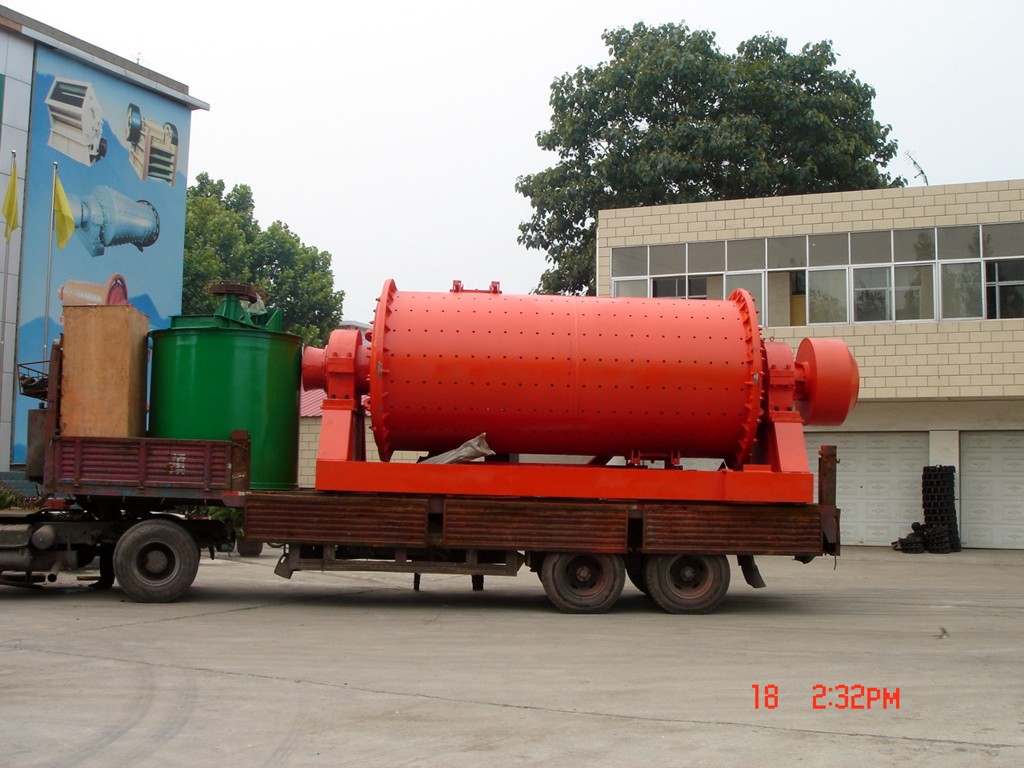
Beyond the Ball Mill: Advanced Grinding Technologies
While traditional ball mills are common, newer technologies offer significant advantages in efficiency and cost-effectiveness for manganese processing. Two standout options that provide superior value beyond the initial price tag are our ultrafine and vertical grinding solutions.
For operations requiring ultra-fine manganese powder for niche markets, our MW Ultrafine Grinding Mill is a game-changer. It’s engineered for customers who need to make ultra-fine powder from abrasive materials. With an input size of 0-20 mm and a capacity range of 0.5-25 tph, it’s remarkably versatile. A key feature is its higher yielding and lower energy consumption – it operates at just 30% of the energy use of a jet mill while offering 40% higher capacity. The cage-type powder selector allows for precise fineness adjustment between 325-2500 meshes. Critically for maintenance-heavy environments, its design eliminates rolling bearings and screws in the grinding chamber, drastically reducing failure points and enabling external lubrication without shutdown. For South African miners looking to move into high-value fine powder production, the MW series represents a smart, future-proof investment.
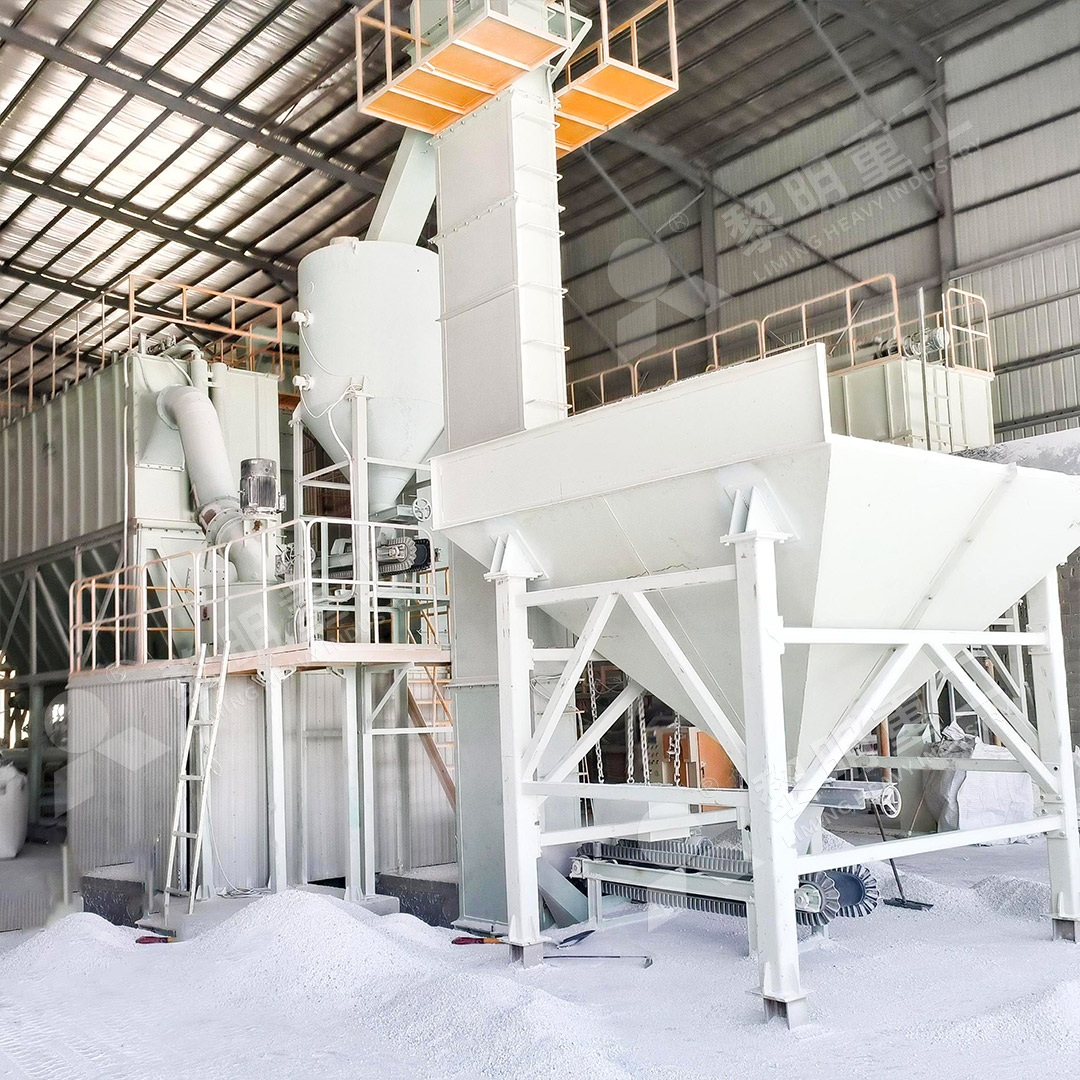
Another superior alternative for a broader range of fineness is the LUM Ultrafine Vertical Grinding Mill. This mill integrates grinding, classifying, and transporting with unparalleled efficiency. It handles an input size of 0-10 mm and offers a capacity of 5-18 tph. Its defining advantage is a revolutionary grinding curve on the roller shell and lining plate, which is easier to generate a stable material layer and achieves a high rate of finished product in a single pass. This not only enhances efficiency but also improves the whiteness and cleanliness of the manganese product, a crucial factor for certain industrial buyers. Its multi-head powder separating technology, controlled by a PLC system, reduces energy consumption by 30-50% compared to conventional mills—a critical saving given South Africa’s power challenges. The reversible structure is a maintenance engineer’s dream, allowing grinding rollers to be easily swung out for inspection and liner replacement, minimizing costly production stoppages.
Making the Right Investment for South African Conditions
The choice between a traditional ball mill and these advanced systems boils down to a cost-benefit analysis over the equipment’s lifespan. While the initial manganese ball mill price in South Africa might be lower for a standard model, the hidden costs of energy, maintenance downtime, and wear parts can be staggering.
Operations focused on cost leadership and reliability should strongly consider technologies like the MW and LUM mills. Their design philosophies—emphasizing energy savings, minimal maintenance, and high availability—align perfectly with the operational challenges faced by the South African mining sector. By investing in a mill that grinds more efficiently, breaks down less frequently, and consumes less power, operators can secure a formidable competitive advantage, ensuring their manganese processing remains profitable for years to come, regardless of market fluctuations.