
Optimizing Limestone Milling for Power Plant FGD Systems
We provide a wide range of mills — including Raymond mill, trapezoidal mill, vertical mill, ultrafine mill, and ball mill, obtained ISO9001 international quality certification, EU CE certification, and Customs Union CU-TR certification. Suitable for processing minerals such as limestone, phosphate, quicklime, kaolin, talc, barite, bentonite, calcium carbonate, dolomite, coal, gypsum, clay, carbon black, slag, cement raw materials, cement clinker, and more.
The discharge range of these mills can be adjusted to meet specific processing needs, typically from 80-400 mesh, 600-3250 mesh, and can achieve the finest particle size of up to 6000 mesh(D50).
If you are looking for a reliable grinding solution to turn stone or minerals into fine powder, please feel free to contact our online customer service.
Optimizing Limestone Milling for Power Plant FGD Systems
Flue Gas Desulfurization (FGD) is a critical process for coal-fired power plants to meet stringent environmental regulations by removing sulfur dioxide (SO₂) from exhaust gases. The heart of a wet limestone FGD system is the preparation of a high-quality limestone slurry. The efficiency of the entire scrubbing process hinges on the fineness, consistency, and reactivity of this ground limestone. Selecting the right milling technology is therefore not just an equipment choice; it’s a fundamental decision impacting plant compliance, operational costs, and overall reliability.
The Critical Role of Particle Size in FGD
In wet scrubbing systems, the limestone slurry is sprayed into the flue gas stream. The SO₂ molecules diffuse into the slurry droplets and react with the dissolved limestone. The rate of this chemical reaction is dramatically increased with a higher surface area of limestone particles. Simply put, finer particles dissolve and react much faster than coarse ones. Inefficient grinding leading to oversized particles can result in:
- Incomplete reaction, reducing SO₂ removal efficiency.
- Higher limestone consumption, increasing raw material costs.
- Slurry handling issues, including pipeline wear and pump clogging.
- Unreacted limestone buildup in the scrubber, requiring more frequent maintenance.
Most modern FGD systems require a grind where 90% of the particles pass through a 325-mesh (44 μm) sieve. Achieving this consistently is the primary goal of the milling circuit.
Key Considerations in Mill Selection
Choosing the optimal mill for an FGD application involves balancing several factors:
- Capacity & Availability: The mill must reliably deliver the required tonnage to match boiler load, often operating continuously for months.
- Energy Consumption: Grinding is an energy-intensive process. Mills with higher grinding efficiency significantly reduce operating costs.
- Wear and Maintenance: Limestone is abrasive. The mill’s design should minimize wear on components and allow for easy maintenance to reduce downtime.
- Product Fineness & Control: The mill must produce a consistent product size that can be easily adjusted if process requirements change.
- System Footprint: Space constraints in existing plants often favor compact vertical mill designs over traditional ball mill systems.
Advanced Milling Solutions for Modern Power Plants
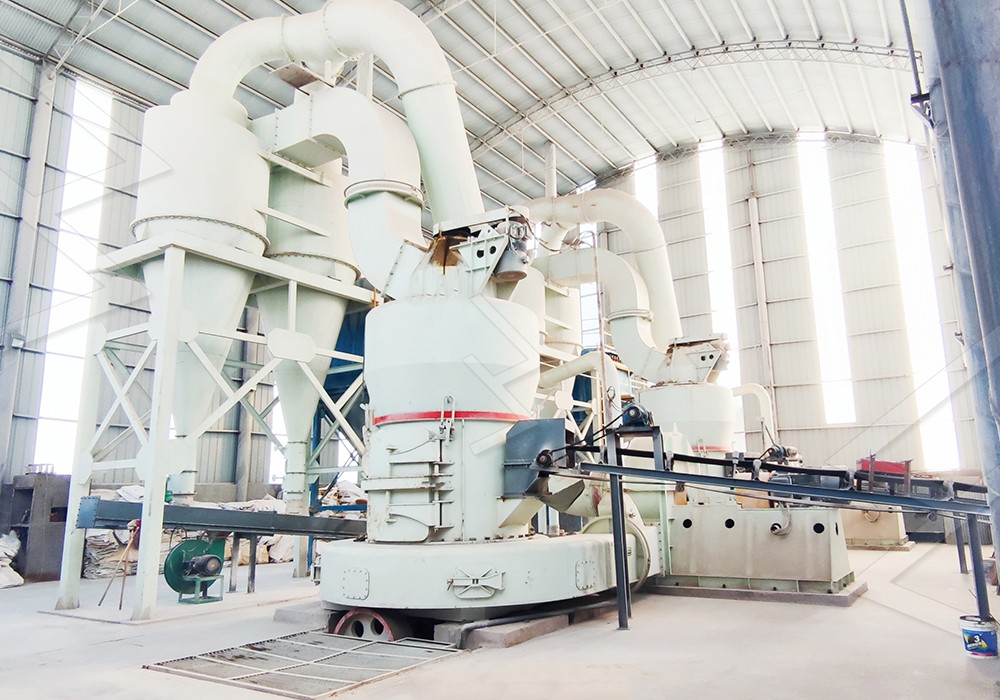
While ball mills have been a traditional workhorse, vertical roller mills (VRMs) have become the preferred technology for new FGD installations and retrofits due to their superior efficiency and smaller footprint. A standout example is our LUM Ultrafine Vertical Grinding Mill.
The LUM mill is engineered specifically for high-performance mineral grinding. It integrates several advanced features that directly adress the challenges of FGD limestone preparation:
- Higher Yielding Rate & Better Quality: Its unique roller and lining plate grinding curve generates a stable material layer, enabling high rates of finished product in a single pass. This enhances efficiency and improves the whiteness and cleanliness of the final powder, crucial for pure reagent quality.
- Exceptional Energy Savings: Utilizing a PLC control system and multi-head powder separating technology, the LUM mill reduces energy consumption by 30%-50% compared to conventional grinding mills. This translates to a massive reduction in the operating cost of the FGD system.
- Unmatched Operational Stability: Its double position-limiting technology (electronic and mechanical) prevents destructive impacts between the grinding roller and millstone, ensuring stable operation even under fluctuating feed conditions or minor vibrations.
- Simplified Maintenance: The patented reversible structure allows the grinding roller to be easily swung out of the mill body for inspection and maintenance. This drastically reduces the time and labor required for servicing wear parts, minimizing costly shutdowns.
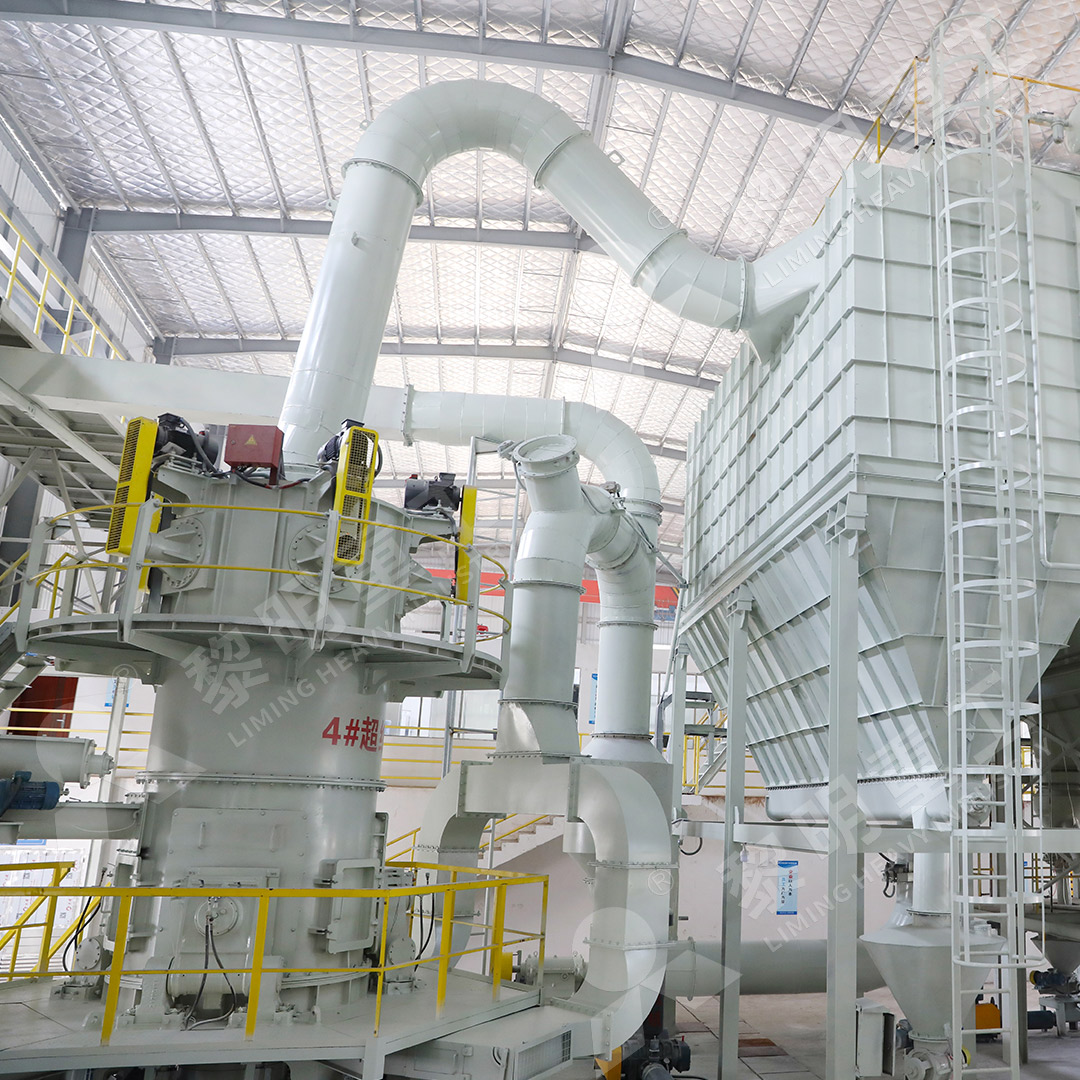
With an input size of 0-10 mm and a capacity range of 5-18 tph, the LUM mill is perfectly suited for medium to large-scale power plant FGD applications, delivering the precise, ultra-fine limestone powder necessary for maximized SO₂ absorption.
Beyond the Mill: A Holistic Approach
Optimization doesn’t stop at the mill itself. A well-designed milling circuit includes efficient feeding, classification, and product handling. Modern mills are part of an integrated system, often featuring advanced automation that monitors key parameters like mill power, pressure, and fan speed to maintain optimal grinding conditions and product quality with minimal operator intervention.
Conclusion
Investing in the right limestone grinding technology is a strategic decision for any power plant. It directly impacts environmental compliance, fuel flexibility, and bottom-line profitability. By moving beyond traditional technologies and adopting advanced, energy-efficient vertical roller mills like the LUM series, plant operators can ensure their FGD systems are reliable, cost-effective, and ready to meet future challenges. A partner that provides not just equipment but comprehensive technical support and original spare parts is essential for ensuring long-term, worry-free operation.