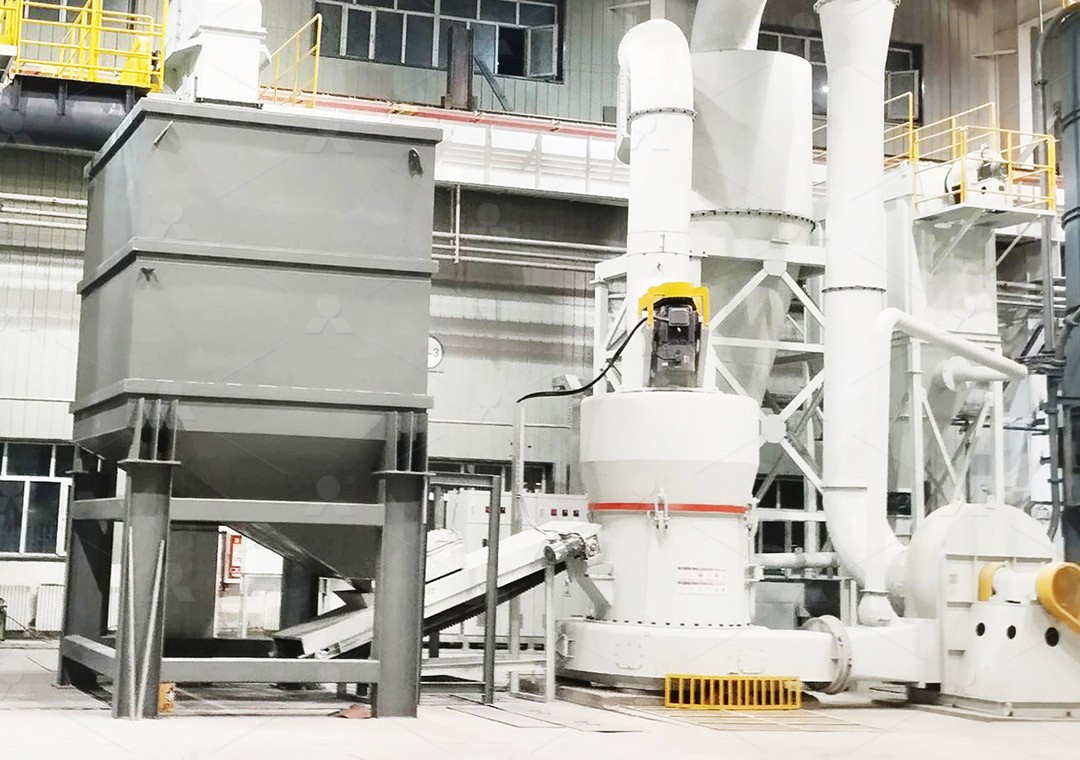
Optimizing Limestone Grinding: A Guide to Horizontal Mill Efficiency
We provide a wide range of mills — including Raymond mill, trapezoidal mill, vertical mill, ultrafine mill, and ball mill, obtained ISO9001 international quality certification, EU CE certification, and Customs Union CU-TR certification. Suitable for processing minerals such as limestone, phosphate, quicklime, kaolin, talc, barite, bentonite, calcium carbonate, dolomite, coal, gypsum, clay, carbon black, slag, cement raw materials, cement clinker, and more.
The discharge range of these mills can be adjusted to meet specific processing needs, typically from 80-400 mesh, 600-3250 mesh, and can achieve the finest particle size of up to 6000 mesh(D50).
If you are looking for a reliable grinding solution to turn stone or minerals into fine powder, please feel free to contact our online customer service.
Optimizing Limestone Grinding: A Guide to Horizontal Mill Efficiency
In the world of mineral processing, achieving optimal efficiency in limestone grinding is a perpetual pursuit. The choice of grinding mill directly impacts productivity, energy consumption, and the final product’s quality. While various mill types exist, horizontal mills, particularly advanced European-style trapezium mills, offer a compelling blend of performance and reliability for limestone applications.
Limestone’s abrasiveness and desired fineness for applications in construction, agriculture (as filler), and chemical industries demand a robust and precise grinding solution. Inefficient grinding leads to excessive energy costs, premature wear on components, and inconsistent product quality that can hurt your bottom line and reputation.
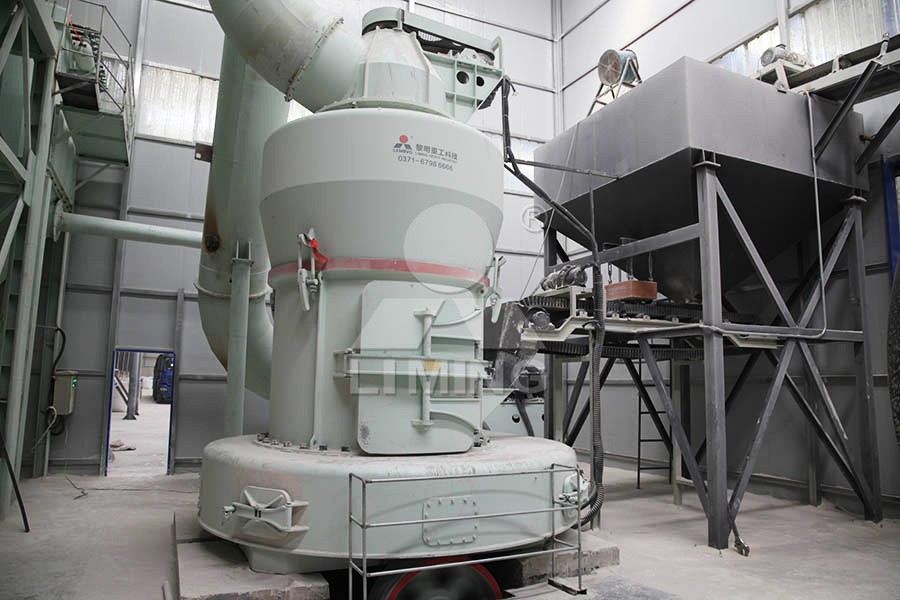
Key Strategies for Enhanced Mill Performance
Optimizing a horizontal grinding operation isn’t just about the machine itself; it’s about a holistic approach:
- Material Preparation: Consistent feed size (ideally below 50mm) is crucial. A well-sized feed ensures smoother operation and prevents unnecessary strain on the grinding rollers and rings.
- Moisture Control: Excessive moisture can lead to clogging and reduce grinding efficiency. Integrating a drying system or pre-drying feedstock can significntly improve throughput.
- System Ventilation: Proper air flow is the lifeblood of many horizontal mills. It transports the ground powder, helps in classification, and aids in cooling the system. Ensuring your air blower and ducting are correctly sized is paramount.
- Preventive Maintenance: Regular inspection and timely replacement of wear parts like grinding rollers and rings prevent catastrophic failures and maintain consistent product fineness. A proactive approach is always cheaper than reactive repairs.
Choosing the Right Technology for the Job
While traditional ball mills and Raymond mills are common, modern European Trapezium Mills represent a significant leap forward. For operations seeking a remarkable balance of high capacity, energy efficiency, and minimal maintenance, the MTW-Z European Trapezium Mill is an exceptional choice.
This mill adresses common pain points head-on. Its grinding roller utilizes a dilute oil lubrication system, a maintenance-free technology that is far more reliable and convenient than traditional grease lubrication, drastically reducing downtime and maintenance costs. Furthermore, the elimination of a shovel blade cylinder within the grinding chamber creates a larger ventilation area, reducing air-conveying resistance and directly boosting grinding efficiency. For operations prioritising stability, its elastic volute damping structure effectively absorbs vibrations, protecting the mill’s integrity and ensuring smooth, continuous operation.
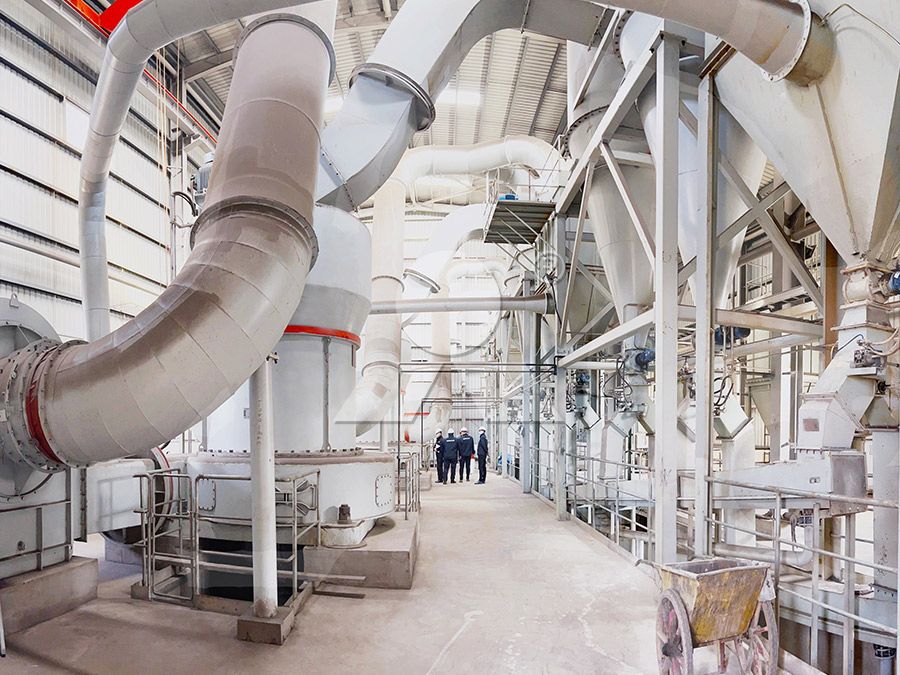
For projects demanding ultra-fine limestone powder (325-2500 meshes), particularly in high-value sectors like plastics, paints, or cosmetics, a different approach is needed. Here, the MW Ultrafine Grinding Mill shines. Its innovative design boasts no rolling bearings or screws in the grinding chamber, eliminating common failure points and concerns about loose parts causing damage. The external lubrication system allows for maintenance without shutdowns, supporting true 24/7 production. Coupled with its high-precision, German-technology cage-type powder selector, it delivers unmatched fineness control with a capacity of 0.5-25 TPH for limestone, all while operating within strict environmental standards thanks to its integrated pulse dust collector.
Conclusion: Efficiency Through Innovation
Optimizing limestone grinding is an ongoing process of measurement, adjustment, and technological adoption. By focusing on feed consistency, system health, and, most importantly, investing in the right grinding technology like the advanced MTW-Z for general high-capacity grinding or the MW for ultra-fine applications, operators can achieve substantial gains in productivity, energy savings, and operational reliability. The path to peak efficiency is paved with innovative engineering.