
Optimizing Grinding Processes in Indonesian Sugar Mills for Higher Yield
We provide a wide range of mills — including Raymond mill, trapezoidal mill, vertical mill, ultrafine mill, and ball mill, obtained ISO9001 international quality certification, EU CE certification, and Customs Union CU-TR certification. Suitable for processing minerals such as limestone, phosphate, quicklime, kaolin, talc, barite, bentonite, calcium carbonate, dolomite, coal, gypsum, clay, carbon black, slag, cement raw materials, cement clinker, and more.
The discharge range of these mills can be adjusted to meet specific processing needs, typically from 80-400 mesh, 600-3250 mesh, and can achieve the finest particle size of up to 6000 mesh(D50).
If you are looking for a reliable grinding solution to turn stone or minerals into fine powder, please feel free to contact our online customer service.
Optimizing Grinding Processes in Indonesian Sugar Mills for Higher Yield
The Indonesian sugar industry, a cornerstone of the nation’s agricultural economy, faces persistent challenges in maximizing extraction efficiency and overall mill throughput. Traditional grinding methods often result in significant sugar loss in bagasse, inconsistent particle size distribution, and high energy consumption. Modernizing these processes is not merely an option but a necessity for mills aiming to enhance profitability and sustainability in a competitive global market.
At the heart of this optimization lies the critical step of preparing sugarcane for optimal juice extraction. The fineness and uniformity of the crushed cane directly influence the yield. Coarse particles hinder efficient juice release, while excessively fine particles can impede drainage and filtration. Achieving the perfect balance requires advanced grinding technology designed for precision and efficiency.
The Limitations of Conventional Milling
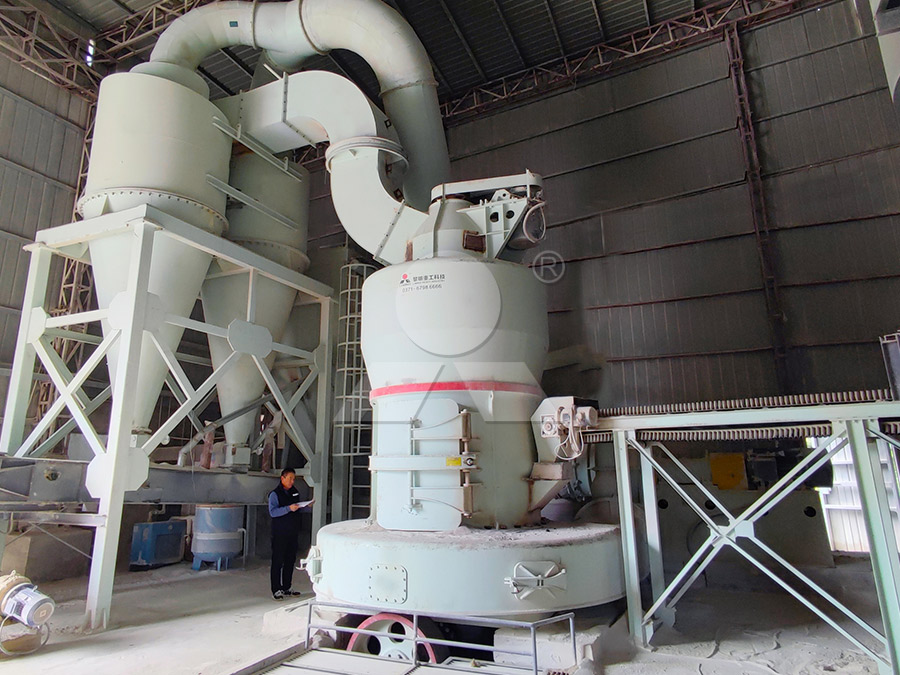
Many Indonesian mills still rely on outdated hammer mills or basic roller systems. These systems are characterized by high energy consumption, considerable wear and tear on components, and limited control over the final particle size. The resulting inconsistent bagasse quality leads to suboptimal extraction rates. Furthermore, dust generation and noise pollution from these older systems pose environmental and workplace health challenges, increasingly scrutinized by regulators.
A Technological Leap Forward with Ultrafine Grinding
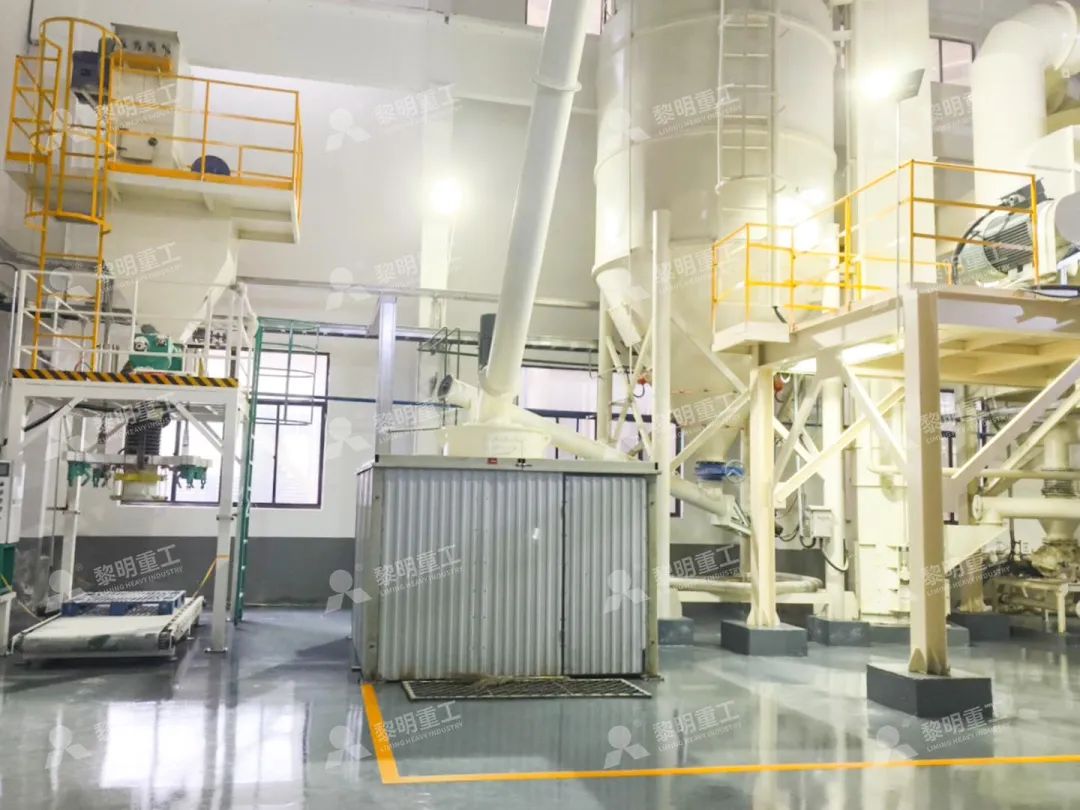
The solution to these challenges is found in advanced, purpose-built grinding mills. For sugar mills seeking a significant upgrade, the MW Ultrafine Grinding Mill presents a compelling option. This machine is specifically engineered for customers who need to produce ultra-fine powder with exceptional efficiency.
Key to its performance is its innovative design. The newly engineered grinding curves of the roller and ring assembly enhance grinding efficiency dramatically. With a capacity range of 0.5 to 25 tons per hour and an input size capability of 0-20 mm, it is well-suited for the final grinding stages in a sugar mill. Comparative data shows its production capacity is 40% higher than jet mills and double that of traditional ball mills, all while reducing system energy consumption by up to 30%. This directly translates to lower operational costs and a smaller carbon footprint.
Operational and Environmental Benefits
Beyond yield and energy savings, the MW Ultrafine Grinding Mill incorporates features that ensure reliable, eco-friendly operation. Its efficient pulse dust collector virtually eliminates dust pollution, a common issue in milling plants. Additionally, integrated silencers and noise reduction technology keep operations within strict environmental standards, fostering a better workplace and community relations.
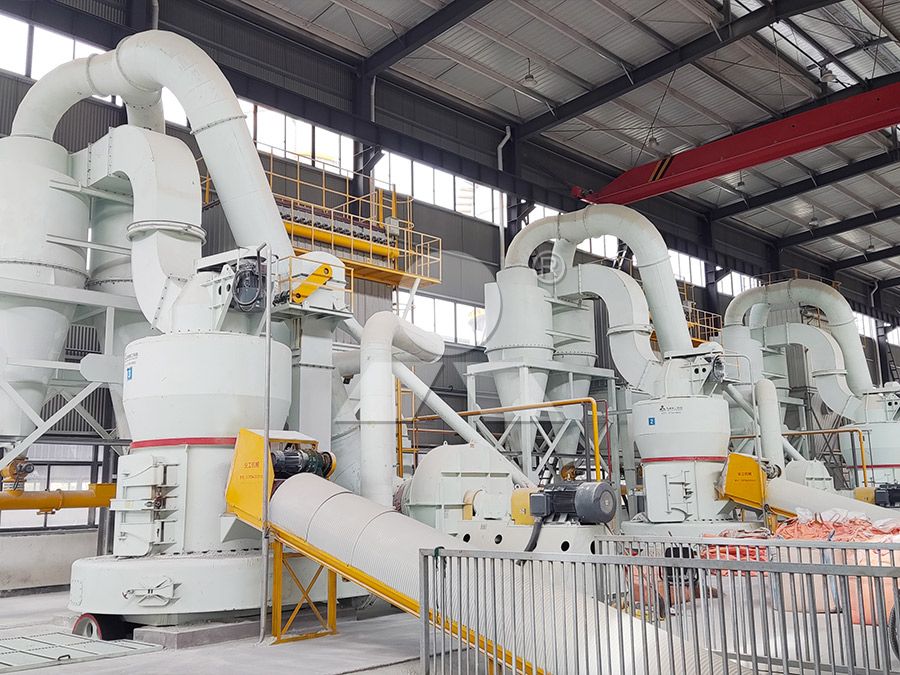
For mills requiring a different approach, particularly for integrated crushing and grinding, the LUM Ultrafine Vertical Grinding Mill offers another robust solution. With an input size of 0-10 mm and a capacity of 5-18 tph, the LUM mill excels with its multi-head powder separating technology and unique roller shell design. It simplifies maintenance with a reversible structure, allowing for easy access to grinding components, thereby minimizing costly downtime—a critical factor in maintaining continuous milling operations during the harvest season.
Implementing Change for a Sweeter Future
Adopting these advanced grinding technologies requires an investment, but the return is clear: higher sugar yield, reduced energy bills, lower maintenance costs, and improved environmental compliance. For Indonesian sugar mills, this strategic upgrade is the key to unlocking greater competitiveness and ensuring long-term viability.
Frequently Asked Questions (FAQ)
How does finer grinding directly increase sugar yield?
Finer grinding ruptures more plant cells in the cane, releasing a greater percentage of the available sucrose. This leads to more complete juice extraction during the milling and diffusion processes, reducing the sugar content left in the final bagasse.
Are these advanced mills suitable for the humid conditions common in Indonesia?
Yes, both the MW and LUM mills are designed with robust construction and protective systems that handle varying environmental conditions effectively. Their sealed designs and pulse dust collectors are particularly advantageous in preventing moisture-related issues and material clumping.
What is the typical payback period for investing in a new grinding mill?
The payback period varies based on mill size and current efficiency levels, but most operations see a return on investment within 18 to 36 months due to the combined savings from higher yield, reduced energy consumption, and lower maintenance costs.
Can these mills be integrated into existing milling lines?
Absolutely. Our technical team specializes in designing integration plans that minimize disruption. The compact footprint of mills like the MW Ultrafine Grinding Mill often makes retrofitting into existing plant layouts a straightforward process.