
Optimizing Grinding Pressure in Vertical Roller Mills for Enhanced Efficiency
We provide a wide range of mills — including Raymond mill, trapezoidal mill, vertical mill, ultrafine mill, and ball mill, obtained ISO9001 international quality certification, EU CE certification, and Customs Union CU-TR certification. Suitable for processing minerals such as limestone, phosphate, quicklime, kaolin, talc, barite, bentonite, calcium carbonate, dolomite, coal, gypsum, clay, carbon black, slag, cement raw materials, cement clinker, and more.
The discharge range of these mills can be adjusted to meet specific processing needs, typically from 80-400 mesh, 600-3250 mesh, and can achieve the finest particle size of up to 6000 mesh(D50).
If you are looking for a reliable grinding solution to turn stone or minerals into fine powder, please feel free to contact our online customer service.
Optimizing Grinding Pressure in Vertical Roller Mills for Enhanced Efficiency
In the world of industrial milling, achieving peak efficiency isn’t just a goal—it’s a necessity. One of the most critical parameters directly influencing this efficiency is grinding pressure. Properly calibrated grinding pressure in Vertical Roller Mills (VRMs) is the linchpin for optimal particle size distribution, reduced energy consumption, and maximized throughput. Getting it wrong can lead to premature wear, inconsistent product quality, and skyrocketing operational costs.
The fundamental principle is straightforward: grinding pressure is the force exerted by the grinding rollers on the material bed. This pressure must be precisely controlled to fracture the particles effectively without causing excessive vibration or energy waste. Too little pressure results in insufficient grinding, leading to a high recirculation rate of coarse material. Conversely, excessive pressure increases mill vibration, amps up power draw, and accelerates the wear of grinding elements like rollers and the table liner.
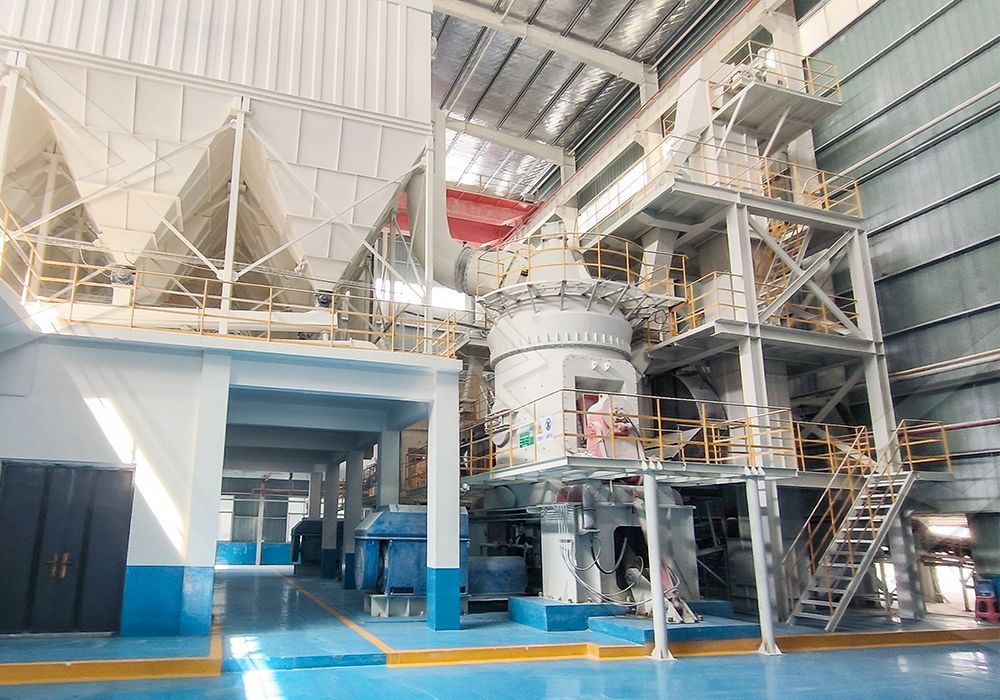
Modern VRMs leverage sophisticated hydraulic systems to dynamically adjust this pressure in real-time, responding to changes in feed material hardness, moisture content, and desired fineness. The key is to maintain a stable, compact material bed. This stability is crucial for efficient inter-particle comminution, the process where particles grind against each other, which is far more energy-efficient than direct fracture by the rollers alone.
The Role of Advanced Mill Design
This is where the design of the mill itself becomes paramount. For operations demanding ultra-fine powders, a mill must offer not just precise pressure control but also superior classification efficiency and operational stability. Our MW Ultrafine Grinding Mill is engineered specifically for this purpose. Designed for customers who need to make ultra-fine powder, it boasts newly designed grinding curves of the roller and ring that significantly enhance grinding efficiency. With the same fineness and power, its production capacity is 40% higher than that of jet mills and its system energy consumption is only 30% of them. Its cage-type powder selector, adopting German technologies, allows for precise fineness adjustment between 325-2500 meshes, ensuring you hit your target specification every time.
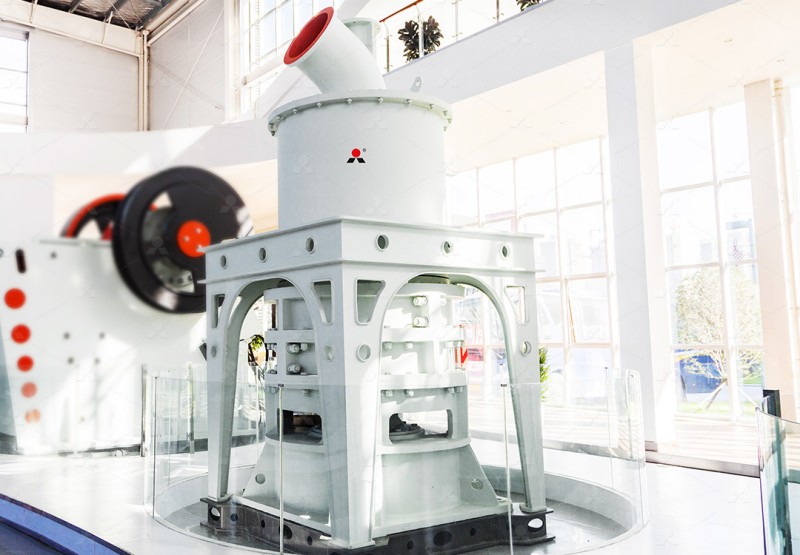
Furthermore, a significant advantage for maintenance and reliability is the absence of rolling bearings and screws inside the grinding chamber. This unique design eliminates worries about bearing failures or machine damage from loose screws, a common headache in other mill designs. For operations targeting slightly different feed specifications, our LUM Ultrafine Vertical Grinding Mill presents another excellent option. It integrates the latest grinding roller technology and German powder separating technology, featuring a unique roller shell and lining plate grinding curve that is easier to generate a material layer for efficient grinding. Its PLC control system allows users to accurately control grinding pressure and revolving speed, reducing energy consumption by 30%-50% compared to common grinding mills.
Practical Steps for Optimization
Optimizing grinding pressure isn’t a set-it-and-forget-it task. It requires a systematic approach:
- Baseline Analysis: Start by establishing a baseline. Measure current power consumption, vibration levels, product fineness, and output.
- Material Testing: Understand your material’s grindability and moisture content. These properties drastically affect the ideal grinding pressure.
- Incremental Adjustment: Make small, incremental adjustments to the hydraulic pressure set point. Monitor the mill’s motor current and vibration levels closely after each change.
- Performance Monitoring: Use the mill’s control system to track the relationship between pressure, product fineness, and energy use. The goal is to find the sweet spot where product quality is met with the lowest specific energy consumption.
Remember, the optimal pressure is a moving target. Changes in raw material source or even ambient humidity can necessitate fine-tuning. Therefore, investing in a mill with a robust and responsive control system is non-negotiable for modern, efficient production.
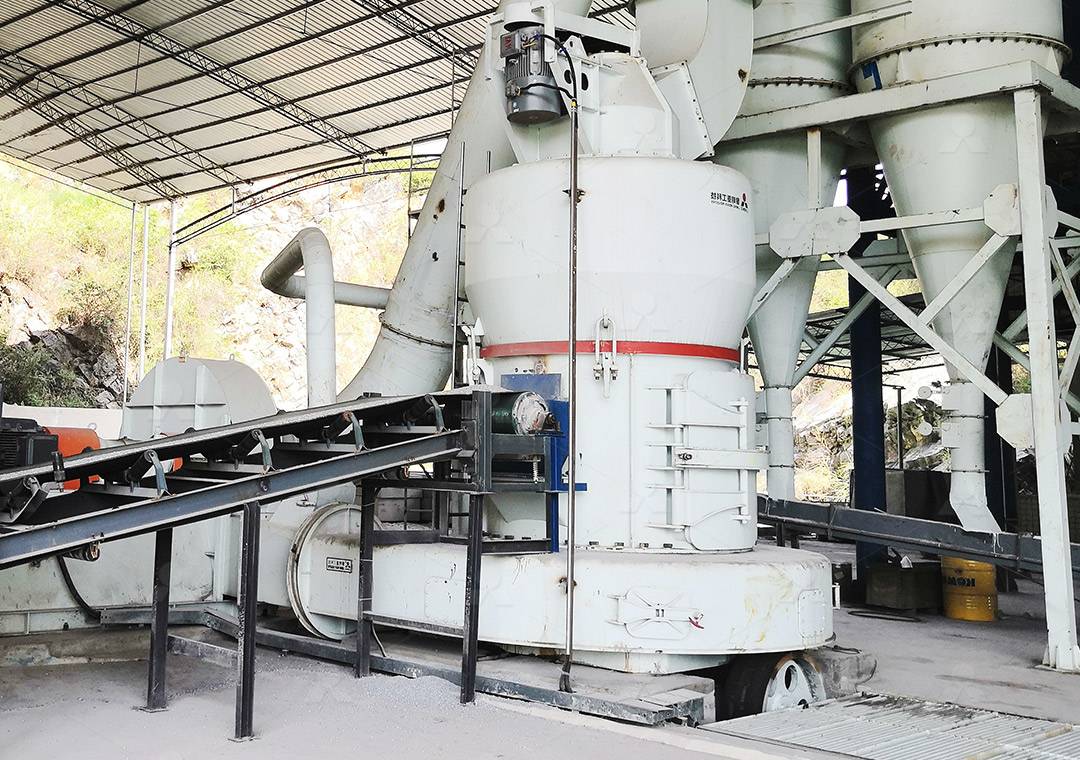
In conclusion, mastering grinding pressure is fundamental to unlocking the full potential of your Vertical Roller Mill. It’s a powerful lever for reducing operational costs, improving product quality, and extending equipment life. By choosing advanced technology like our MW or LUM mills, which are built with these precise control capabilities and reliable designs, you equip your plant with the tools needed for sustainable, high-performance grinding.