Optimizing Grinding Media Consumption in Ball Mills for Iron Ore Processing
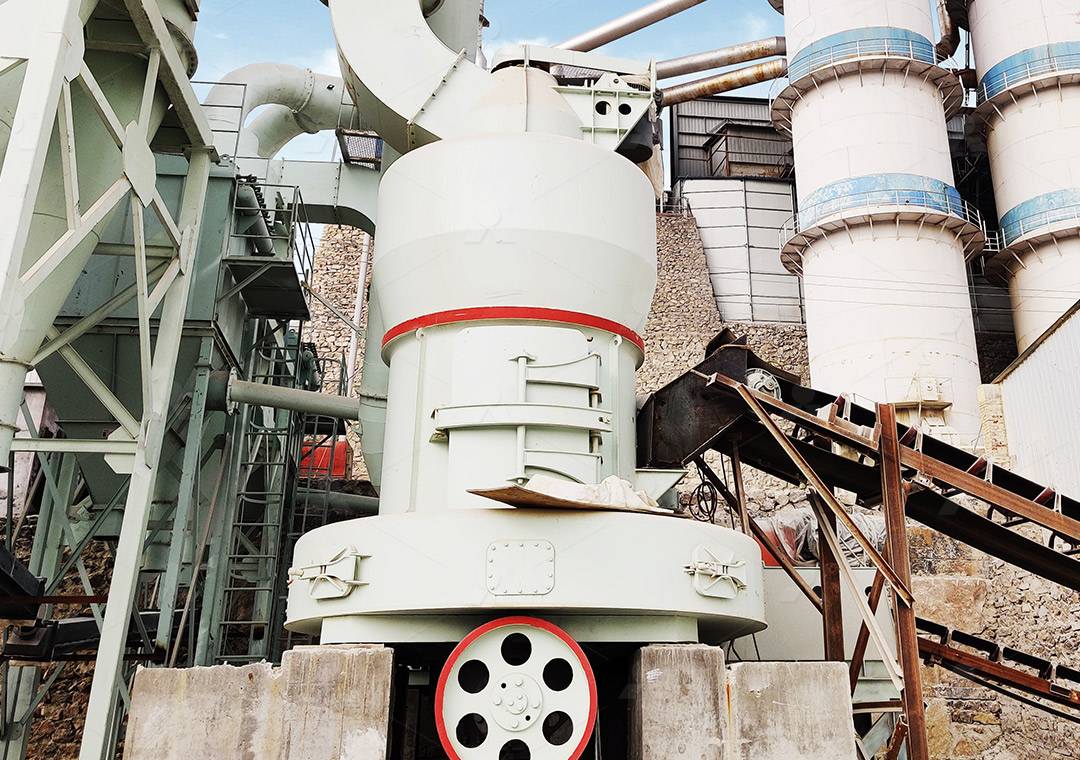
We provide a wide range of mills — including Raymond mill, trapezoidal mill, vertical mill, ultrafine mill, and ball mill, obtained ISO9001 international quality certification, EU CE certification, and Customs Union CU-TR certification. Suitable for processing minerals such as limestone, phosphate, quicklime, kaolin, talc, barite, bentonite, calcium carbonate, dolomite, coal, gypsum, clay, carbon black, slag, cement raw materials, cement clinker, and more.
The discharge range of these mills can be adjusted to meet specific processing needs, typically from 80-400 mesh, 600-3250 mesh, and can achieve the finest particle size of up to 6000 mesh(D50).
If you are looking for a reliable grinding solution to turn stone or minerals into fine powder, please feel free to contact our online customer service.
Optimizing Grinding Media Consumption in Ball Mills for Iron Ore Processing
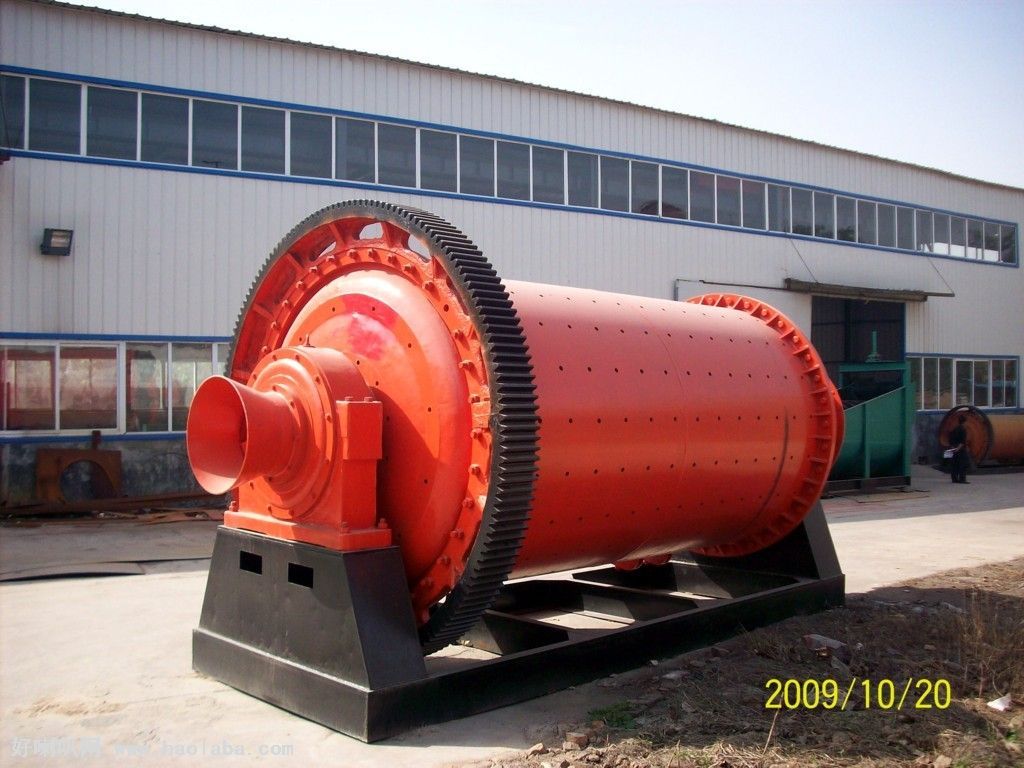
In the iron ore processing industry, the ball mill remains a workhorse for particle size reduction. However, one of the most significant and often overlooked operational costs is grinding media consumption. The constant impact and abrasion within the mill chamber lead to substantial wear on steel balls, directly impacting profitability. Optimizing this consumption is not just about cost savings; it’s about improving overall efficiency, reducing downtime, and ensuring a consistent product quality.
The High Cost of Media Wear
Grinding media can account for a substantial portion of a milling operation’s operating costs. Inefficient consumption stems from several factors: improper mill speed, which can cause cataracting instead of cascading; incorrect material feed size; and suboptimal pulp density. Each of these factors increases the energy wasted on ineffective impacts and unnecessary wear on the media itself. For hard, abrasive iron ores, this problem is exacerbated, leading to higher media consumption rates and increased iron contamination in the final product, which can be detrimental to downstream processes.
Strategies for Reduction
Key strategies to minimize media wear include regularly monitoring and controlling the mill load, ensuring the use of correctly sized media for the specific ore characteristics, and maintaining the optimal chemical composition of the grinding balls for maximum hardness and wear resistance. Implementing a systematic approach to these factors can lead to a dramatic reduction in media consumption and operational costs.
Beyond the Ball Mill: A Modern Approach to Efficiency
While optimizing a ball mill is crucial, many operations are now looking at alternative grinding technologies that offer inherent advantages in energy efficiency and lower wear part consumption. For fine and ultra-fine grinding applications, which are becoming increasingly important, traditional ball mills are often less efficient.
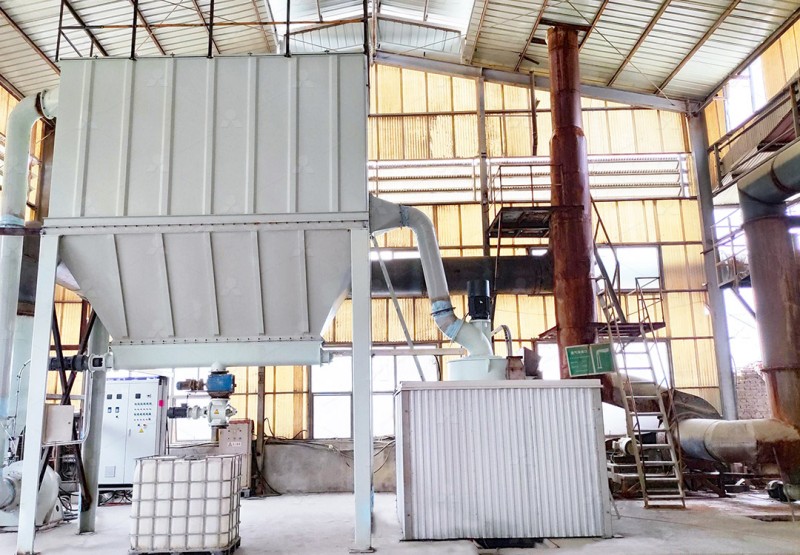
This is where advanced milling solutions from Liming Heavy Industry offer a superior alternative. For instance, our MW Ultrafine Grinding Mill is engineered for customers requiring ultra-fine powder. It operates on a different principle than impact-based ball mills, significantly reducing the consumption of wear parts like grinding media. With an input size of 0-20 mm and a capacity ranging from 0.5 to 25 tph, it’s a versatile solution. A key feature for iron ore is that it has “no rolling bearing & screw in grinding chamber”, eliminating concerns about damage to these components and the associated maintenance downtime and contamination risks. Furthermore, its efficient pulse dust collector ensures a cleaner, more environmentally friendly operation, which is a critical consideration for modern mining operations.
Conclusion
Optimizing grinding media consumption in ball mills is a continuous process that demands attention to detail and a holistic view of the entire milling circuit. By adopting best practices in mill operation and maintenance, significant cost savings can be achieved. Furthermore, for new projects or plant upgrades, considering innovative grinding technologies like the MW Ultrafine Grinding Mill can provide a leap forward in efficiency, reducing reliance on grinding media altogether and offering a more sustainable, cost-effective path for iron ore processing.