
Optimizing Grinding Efficiency: Calculating the Volume Ratio of Grinding Balls in a Ball Mill
We provide a wide range of mills — including Raymond mill, trapezoidal mill, vertical mill, ultrafine mill, and ball mill, obtained ISO9001 international quality certification, EU CE certification, and Customs Union CU-TR certification. Suitable for processing minerals such as limestone, phosphate, quicklime, kaolin, talc, barite, bentonite, calcium carbonate, dolomite, coal, gypsum, clay, carbon black, slag, cement raw materials, cement clinker, and more.
The discharge range of these mills can be adjusted to meet specific processing needs, typically from 80-400 mesh, 600-3250 mesh, and can achieve the finest particle size of up to 6000 mesh(D50).
If you are looking for a reliable grinding solution to turn stone or minerals into fine powder, please feel free to contact our online customer service.
Optimizing Grinding Efficiency: Calculating the Volume Ratio of Grinding Balls in a Ball Mill
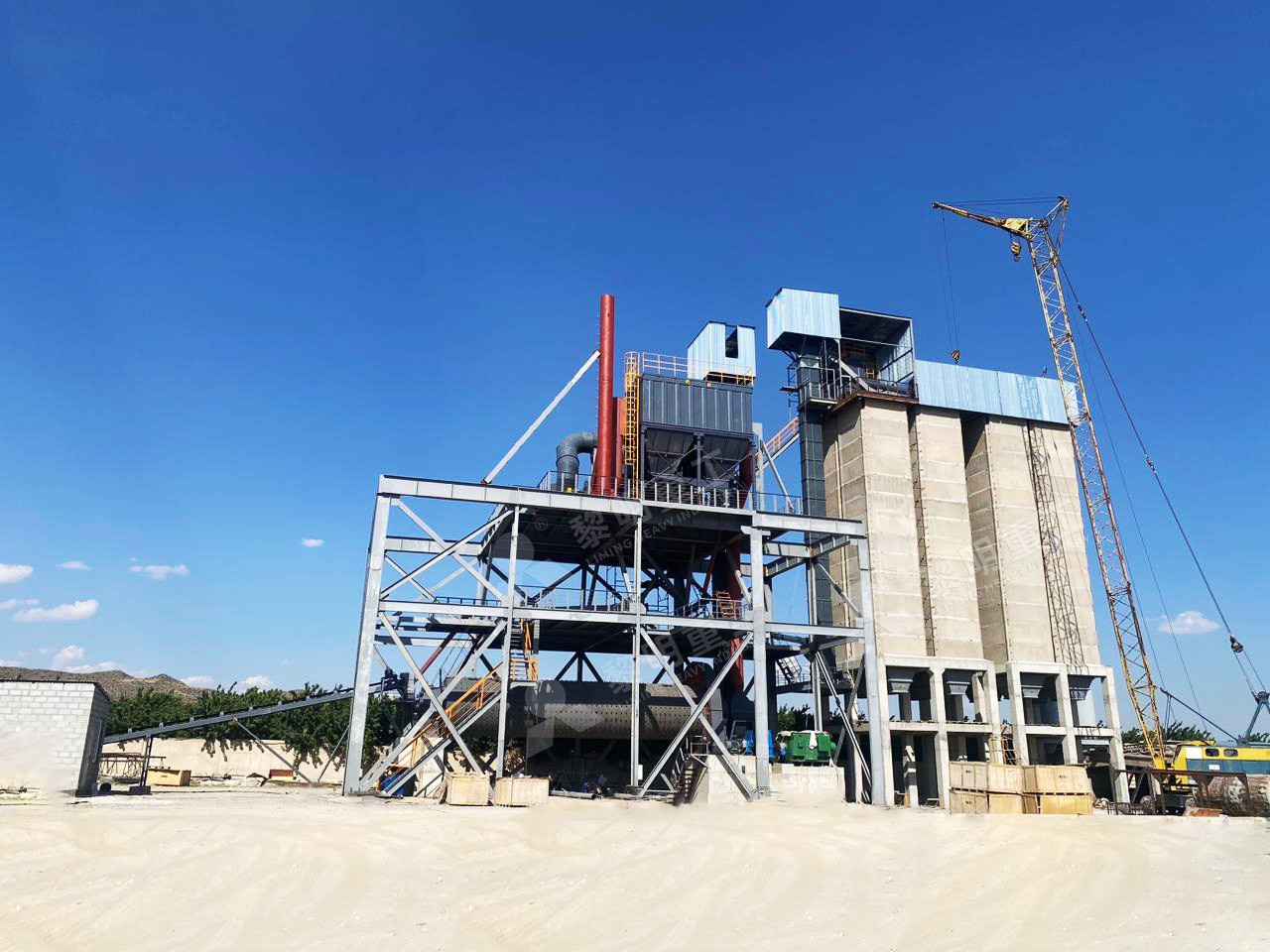
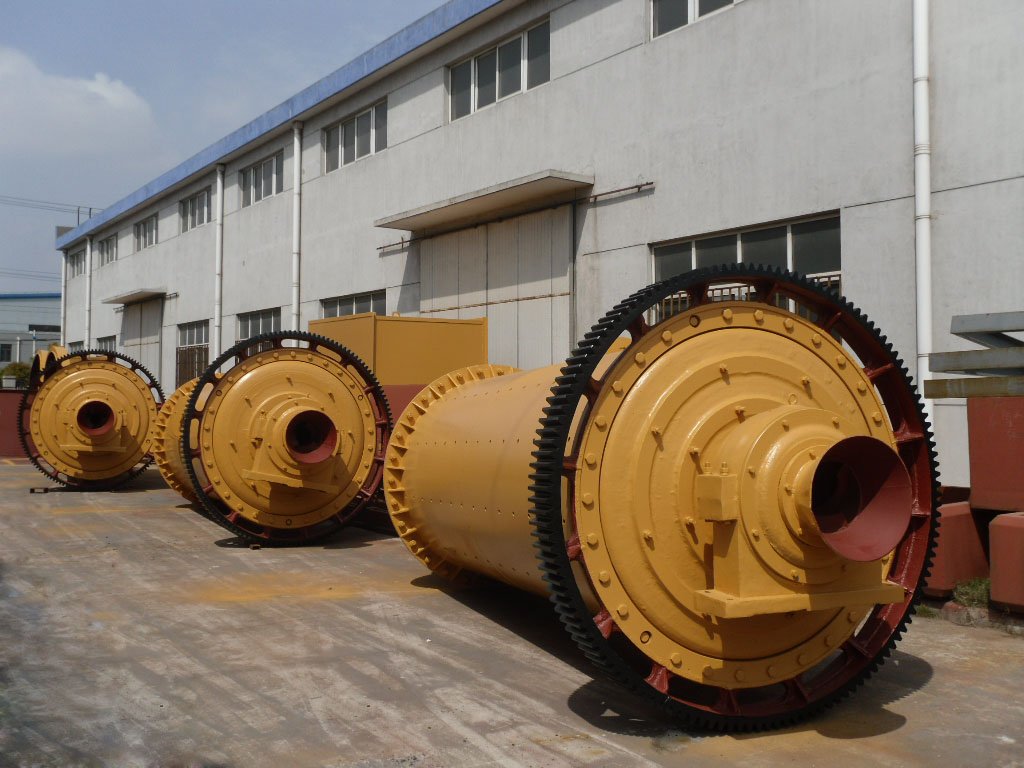
For process engineers and plant managers, achieving optimal grinding efficiency is a constant pursuit. A critical, yet often overlooked, factor in ball mill operation is the volume ratio of grinding balls to the mill’s internal volume. This ratio directly impacts energy consumption, product fineness, and overall throughput. An incorrect filling level can lead to excessive wear, higher operational costs, and subpar product quality.
The Science Behind the Volume Ratio
The optimal volume ratio for grinding balls in a ball mill typically falls between 30% and 45% of the mill’s total internal volume. This range is not arbitrary; it is the result of extensive empirical testing and hydrodynamic modeling. When the mill is charged below 30%, the balls experience excessive cascading with insufficient impact force, leading to inefficient grinding and longer processing times. Conversely, a charge exceeding 45% forces the balls into a centrifugal motion, significantly reducing the cataracting action necessary for effective impact grinding and dramatically increasing power draw without a corresponding increase in efficiency.
Key Factors Influencing the Optimal Ratio
Determining the precise point within the 30-45% range requires careful consideration of several variables:
- Mill Diameter and Speed: The critical speed of the mill (Nc) is a fundamental parameter. The operating speed, expressed as a percentage of Nc, dictates the charge motion. Higher speeds often require a slightly lower filling ratio to avoid centrifugal locking.
- Ore Characteristics: The hardness, feed size, and desired product size of the material are paramount. Harder ores may benefit from a higher charge to deliver more impact energy.
- Grinding Media: The size, density, and shape of the balls themselves affect packing density and kinetic energy.
- Pulp Density: The concentration of solids in the slurry influences the viscosity, which affects how the charge is lifted by the mill liners.
A Practical Calculation Approach
A reliable method for calculating the mass of balls required involves a simple formula:
Mass of Balls (kg) = Volume of Mill (m³) × Filling Ratio (%) × Bulk Density of Balls (kg/m³)
For example, consider a mill with an effective grinding volume of 30 m³, aiming for a 40% filling ratio, using steel balls with a bulk density of approximately 4,800 kg/m³:
Mass of Balls = 30 m³ × 0.40 × 4800 kg/m³ = 57,600 kg
Regular audits are essential. Measure the empty distance from the top of the charge to the top of the mill shell (the ‘free height’) to monitor media wear and maintain the optimal ratio over time.
Beyond Traditional Ball Milling: The MW Ultrafine Grinding Mill
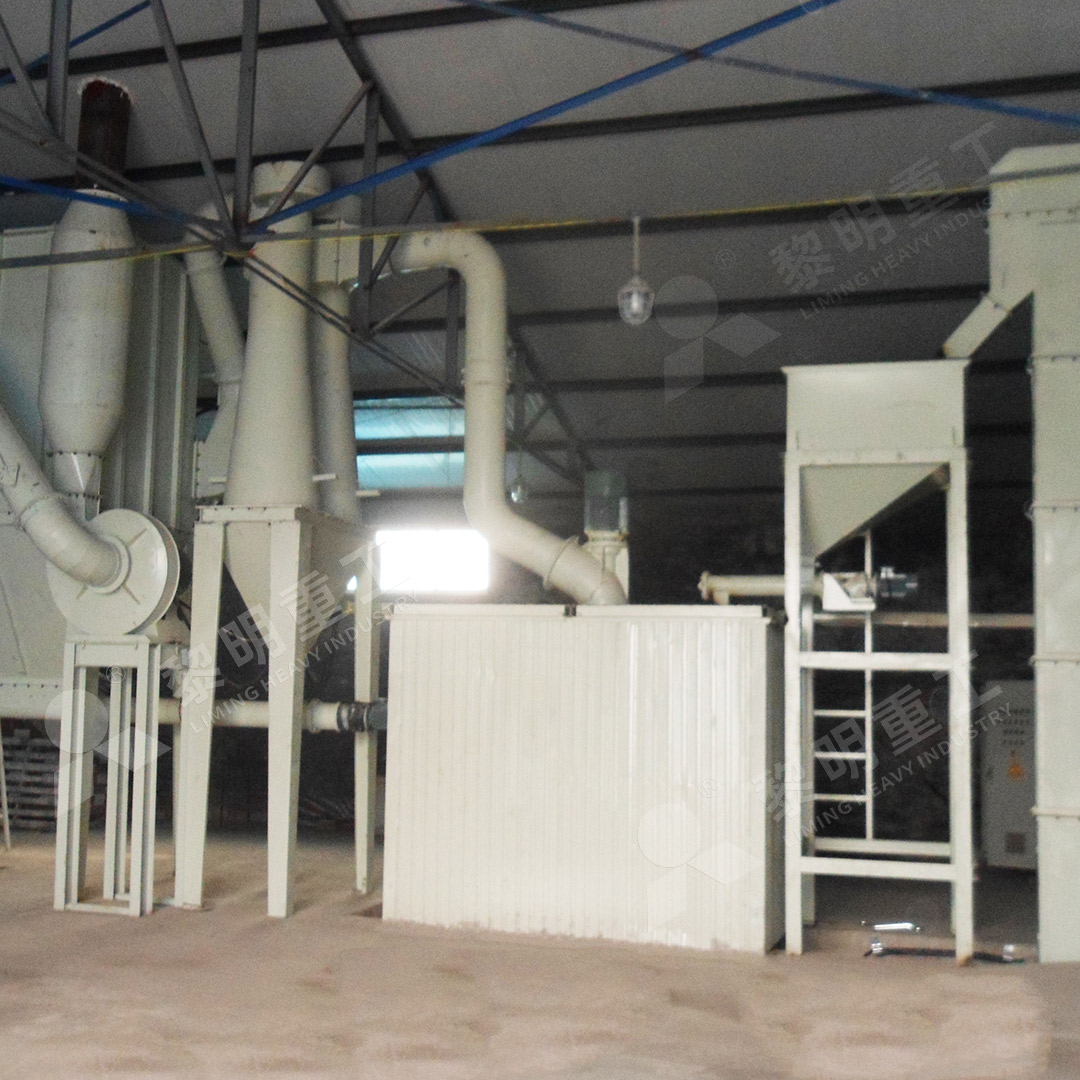
While optimizing ball mill charge is crucial, many operations are now transitioning to more advanced and efficient technologies to overcome the inherent limitations of traditional ball mills, such as high energy consumption and limited fineness control. For customers requiring ultra-fine powder between 325-2500 meshes, our MW Ultrafine Grinding Mill presents a superior alternative.
This machine is engineered for higher yielding and lower energy consumption, achieving a production capacity 40% higher than jet mills and double that of ball mills for the same power input. Its innovative design, featuring a German-technology cage-type powder selector and a grinding chamber free of rolling bearings and screws, ensures precise fineness adjustment, exceptional reliability, and eco-friendly operation with integrated dust removal. It is the ideal solution for processing materials like limestone, calcite, and talc for industries ranging from chemicals to food additives.
Conclusion
Meticulously calculating and maintaining the correct grinding ball volume ratio is a fundamental step toward maximizing the efficiency of a ball mill operation. However, for applications demanding ultra-fine powders and higher energy efficiency, modern grinding solutions like the MW Ultrafine Grinding Mill offer a transformative leap in performance, operational cost savings, and environmental compliance.
Frequently Asked Questions (FAQ)
What is the most common mistake in calculating ball charge?
The most common error is neglecting the bulk density of the specific grinding media being used, leading to an incorrect mass calculation and an improper filling ratio.
How often should the ball charge be checked and replenished?
The ball charge should be measured and audited weekly. Media wear requires regular replenishment, typically adding 2-3% of the initial charge mass weekly to maintain optimal grinding efficiency.
Can the same volume ratio be used for all materials?
No. Abrasive and hard materials cause faster media wear, potentially requiring a higher initial charge or more frequent replenishment. Pilot testing for specific materials is always recommended.
What are the signs of an incorrect ball charge volume?
Signs include unusually high or low power draw, reduced throughput, inconsistent product fineness, and increased liner wear due to improper charge motion.