
Optimizing Grinding Circuit: Jaw Crusher Product Compatibility with Ball Mill Feed
We provide a wide range of mills — including Raymond mill, trapezoidal mill, vertical mill, ultrafine mill, and ball mill, obtained ISO9001 international quality certification, EU CE certification, and Customs Union CU-TR certification. Suitable for processing minerals such as limestone, phosphate, quicklime, kaolin, talc, barite, bentonite, calcium carbonate, dolomite, coal, gypsum, clay, carbon black, slag, cement raw materials, cement clinker, and more.
The discharge range of these mills can be adjusted to meet specific processing needs, typically from 80-400 mesh, 600-3250 mesh, and can achieve the finest particle size of up to 6000 mesh(D50).
If you are looking for a reliable grinding solution to turn stone or minerals into fine powder, please feel free to contact our online customer service.
Optimizing Grinding Circuit: Jaw Crusher Product Compatibility with Ball Mill Feed
In any mineral processing operation, the efficent transition from primary crushing to fine grinding is paramount. The product from a jaw crusher serves as the direct feed for the downstream ball mill, and its characteristics—particle size distribution, shape, and hardness—directly influence the overall efficiency, energy consumption, and throughput of the entire grinding circuit. Achieving optimal compatibility between these two stages is not just a matter of equipment selection; it’s a fundamental strategy for maximizing profitability.
The Critical Link: Crusher Discharge to Mill Feed
A well-operated jaw crusher should produce a product that is as uniform as possible, ideally within a specific top size range suitable for the ball mill. An excessively coarse feed will force the ball mill to work harder, signifcantly increasing energy costs and media consumption. Conversely, an overly fine crusher product, while easier for the ball mill to process, represents an inneficiency in the primary crushing stage, where energy is cheaper per ton processed. The goal is to find the economic equilibrium where the combined operating cost of both units is minimized.
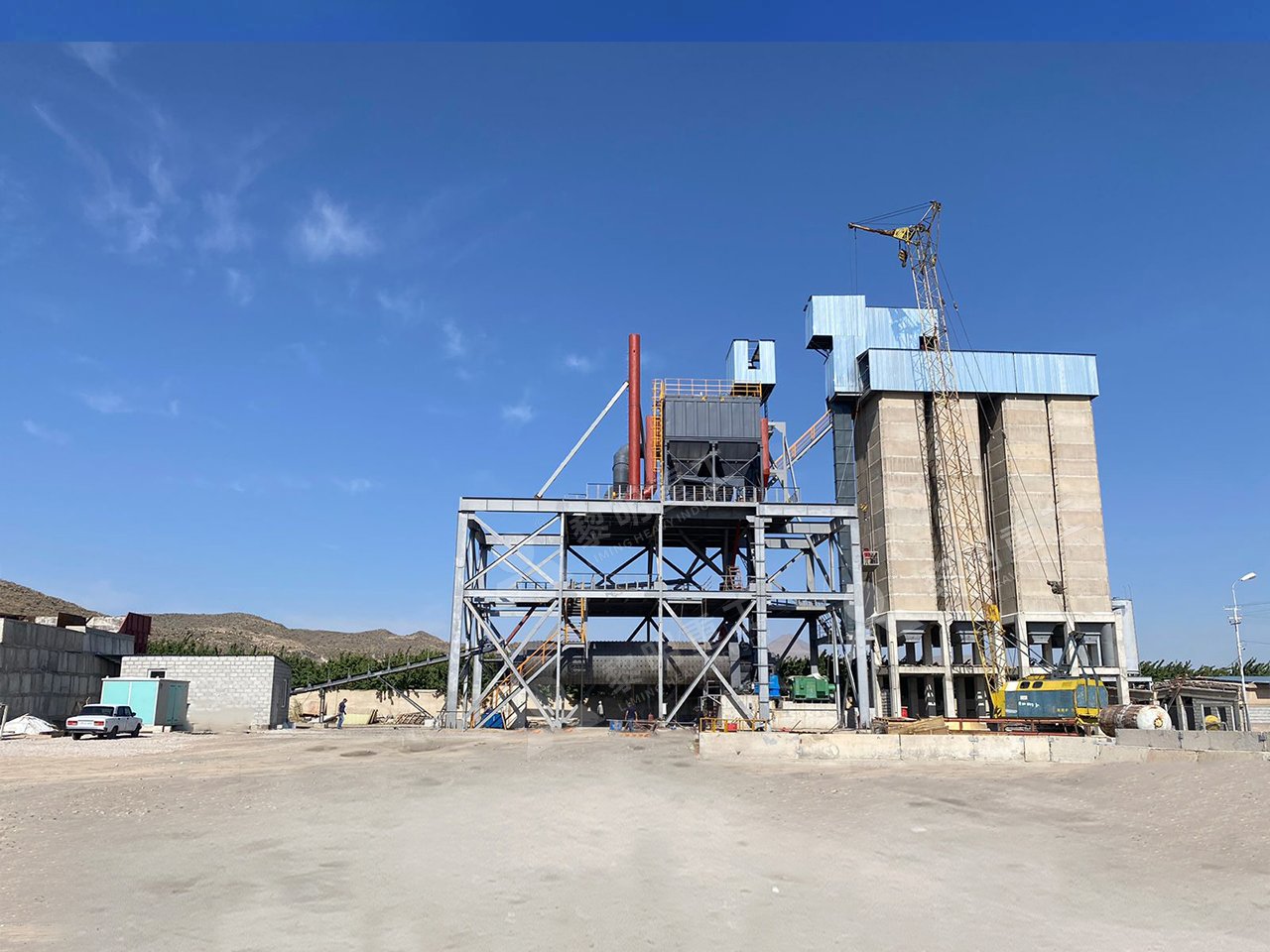
Key parameters to monitor include the crusher’s closed-side setting (CSS), which directly controls the product’s top size, and the wear state of the jaw plates, which can affect particle shape. Blunt or worn jaws tend to produce more flaky or elongated particles, which can negatively impact the grinding efficiency in the ball mill compared to more cubical particles.
Beyond the Ball Mill: When Ultrafine Grinding is the Goal
For operations targeting ultra-fine powders, the traditional jaw crusher + ball mill circuit may reach its economic and technical limits. Ball mills can become inefficient at achieving very high finenesses, often requiring long retention times and high energy input. This is where integrating an advanced ultrafine grinding solution after the primary crushing stage can revolutionize your process.
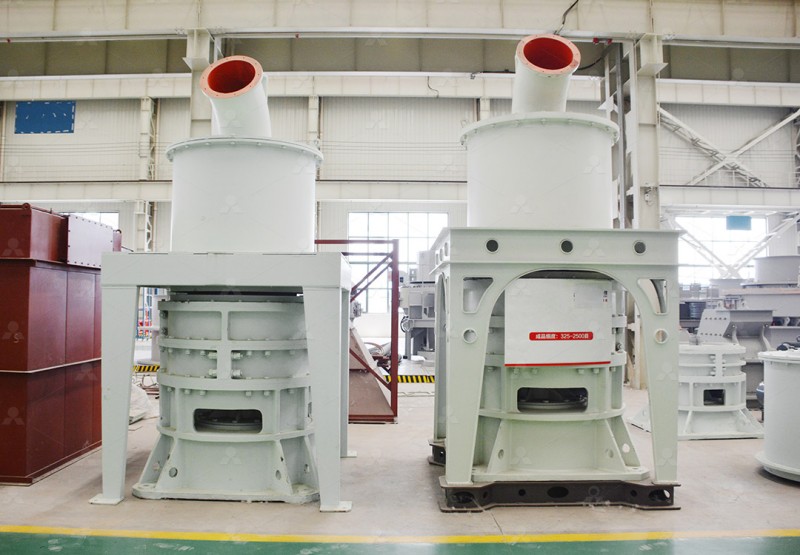
Our MW Ultrafine Grinding Mill is specifically engineered for this purpose. Designed to take a feed size of 0-20 mm (which aligns perfectly with a typical jaw crusher product), it can produce ultra-fine powder between 325-2500 meshes with remarkable efficiency. Its innovative design features higher yielding and lower energy consumption—40% higher capacity than jet mills and only 30% of the energy consumption. This makes it an ideal partner for your jaw crusher, allowing you to bypass the limitations of the ball mill for high-value ultra-fine products.
Practical Steps for Optimization
- Characterize Your Feed: Regularly sample and analyze the jaw crusher discharge. Laser particle size analysis provides a complete picture of the size distribution.
- Optimize Crusher Parameters: Adjust the CSS to produce the ideal feed size for your specific ball mill. Remember, this is a balancing act.
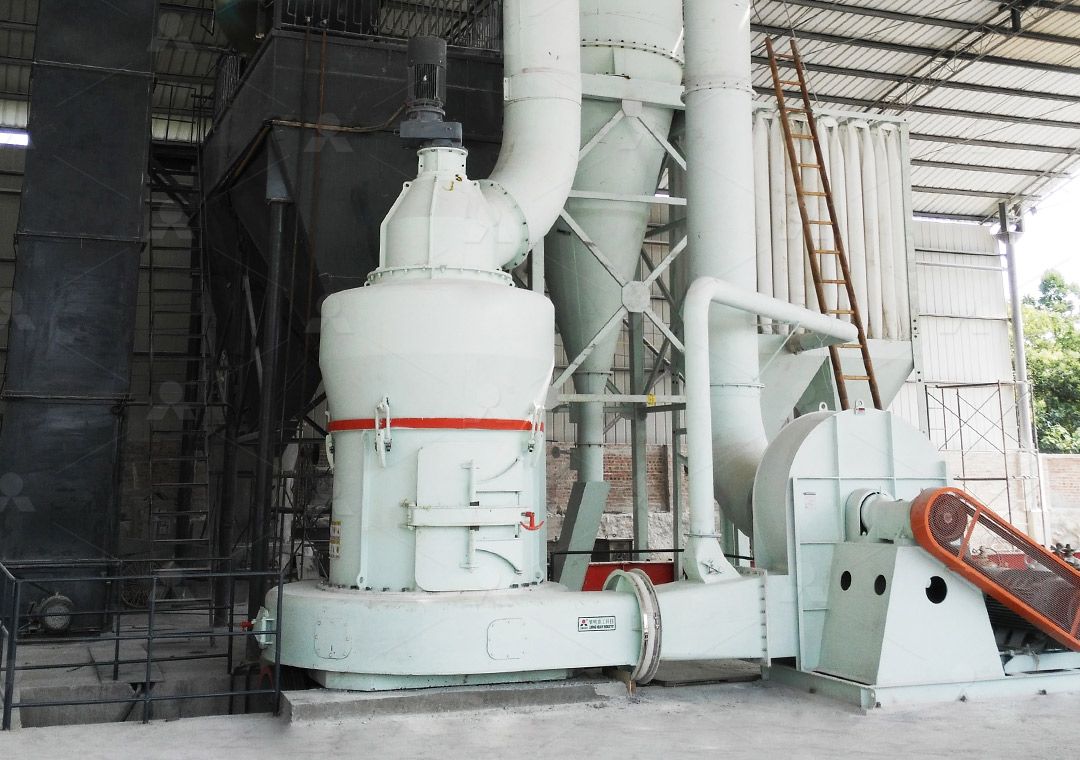
- Consider Circuit Design: For new projects or major upgrades, evaluate if incorporating a specialized mill like our LUM Ultrafine Vertical Grinding Mill (0-10mm feed, 5-18 tph capacity) into the flow sheet could better meet your final product goals. Its multi-head powder separating technology and energy-saving design offer a superior alternative for precise ultrafine production.
- Prevent Contamination: Ensure crusher wear parts are made from the appropriate material to minimize iron contamination, which is critical for many high-purity applications.
Conclusion
Viewing the jaw crusher and ball mill as an interconnected system, rather than two separate pieces of equipment, is the key to unlocking significant operational improvements. By carefully managing the compatibility of the crusher product with the mill feed, operators can achieve substantial gains in throughput and energy savings. And for those pushing the boundaries of fineness, advanced solutions like the MW and LUM Ultrafine Grinding Mills provide a powerful and efficient next step, ensuring your grinding circuit is fully optimized from primary crush to final product.