
Optimizing Gold Ore Processing in Ball Mill Operations
We provide a wide range of mills — including Raymond mill, trapezoidal mill, vertical mill, ultrafine mill, and ball mill, obtained ISO9001 international quality certification, EU CE certification, and Customs Union CU-TR certification. Suitable for processing minerals such as limestone, phosphate, quicklime, kaolin, talc, barite, bentonite, calcium carbonate, dolomite, coal, gypsum, clay, carbon black, slag, cement raw materials, cement clinker, and more.
The discharge range of these mills can be adjusted to meet specific processing needs, typically from 80-400 mesh, 600-3250 mesh, and can achieve the finest particle size of up to 6000 mesh(D50).
If you are looking for a reliable grinding solution to turn stone or minerals into fine powder, please feel free to contact our online customer service.
Optimizing Gold Ore Processing in Ball Mill Operations
Ball mills have long been the workhorse of the gold processing industry, providing reliable, if sometimes inefficient, grinding of ore to liberate precious metals. However, traditional ball milling operations face significant challenges, including high energy consumption, limited control over particle size distribution, and substantial wear and tear on mechanical components. For operations looking to optimize their gold recovery rates and reduce operating costs, a closer look at grinding technology is essential.
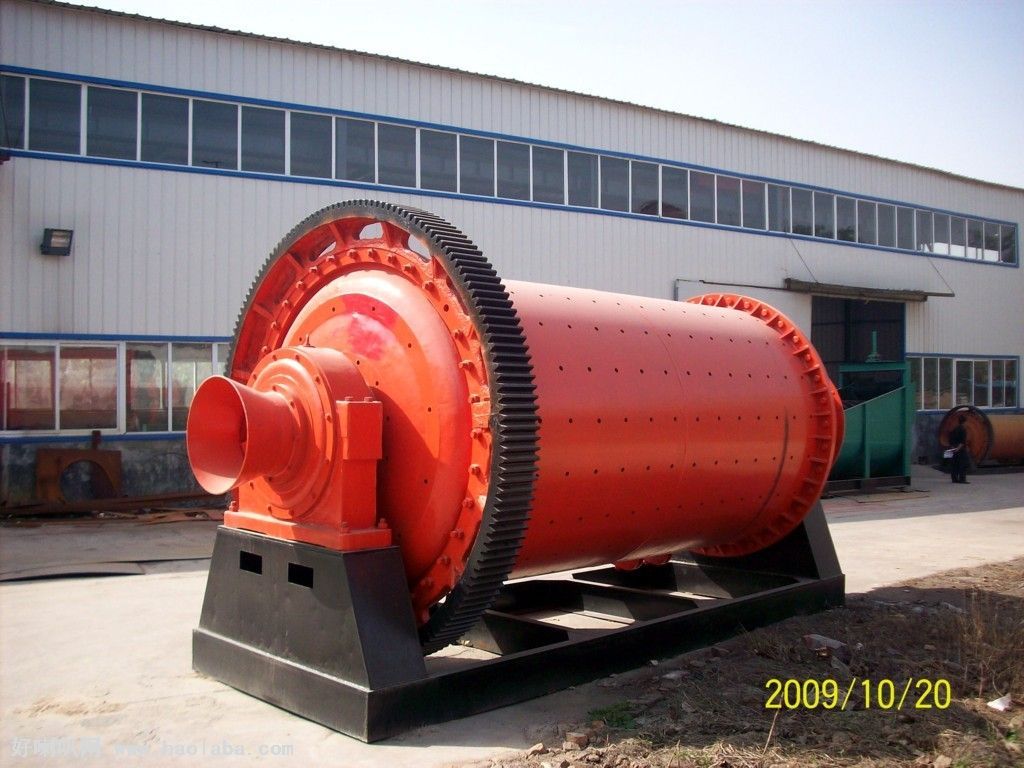
One of the primary limitations of conventional ball mills is their inability to efficiently produce ultra-fine particles. For certain gold ores, particularly those with fine-grained gold dissemination, achieving a very fine grind is critical for maximizing leach recovery. This is where advanced grinding technologies offer a substantial advantage.
Beyond Traditional Ball Milling: The Shift to Efficiency
Modern mineral processing demands higher efficiency and lower operational costs. While ball mills are capex-friendly, their opex can be a burden due to high power draws and grinding media consumption. Furthermore, dust and noise pollution are constant concerns for environmental compliance.
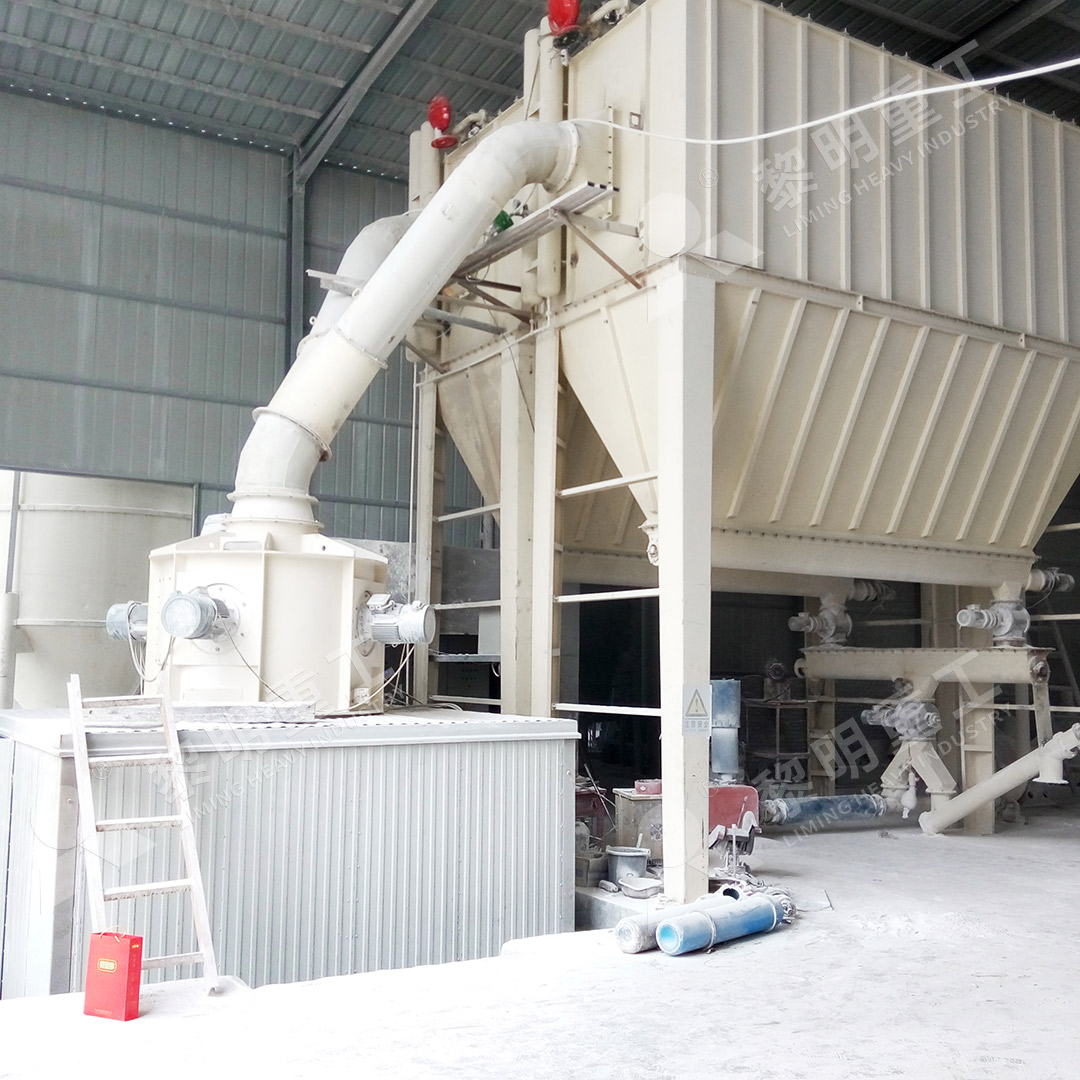
For operations seeking to upgrade their grinding circuit without a complete overhaul, integrating an advanced ultra-fine grinding solution can be a game-changer. A prime example is our MW Ultrafine Grinding Mill. This machine is specifically engineered for customers who need to make ultra-fine powder from materials like gold ore. It handles an input size of 0-20 mm with a capacity ranging from 0.5 to 25 tph, making it a versatile addition to many existing circuits.
Key Advantages for Gold Processing
The MW Ultrafine Grinding Mill adresses the core inefficiencies of ball mills. Its newly designed grinding curves of the roller and ring enhance grinding efficiency dramatically. With the same fineness and power, its production capacity is 40% higher than jet mills and twice that of a ball mill, while system energy consumption is just 30% of a jet mill. This translates directly to lower cost per ton of ore ground.
Perhaps most importantly for gold, the mill’s cage-type powder selector allows for precise fineness adjustment between 325-2500 meshes. This means operators can target the optimal particle size for their specific ore’s leach characteristics, potentially unlocking significant additional recovery from stubborn ores. The mill is also designed for minimal maintenance and maximum uptime. A critical feature is the absence of rolling bearings and screws in the grinding chamber, eliminating common failure points and worries about loose screws causing machine damage.
A Greener, More Sustainable Operation
Environmental stewardship is no longer optional. The MW Mill is equipped with an efficient pulse dust collector and muffler, significantly reducing dust and noise pollution. The entire production process is designed to meet national environmental protection standards, ensuring your operation remains compliant and community-friendly.
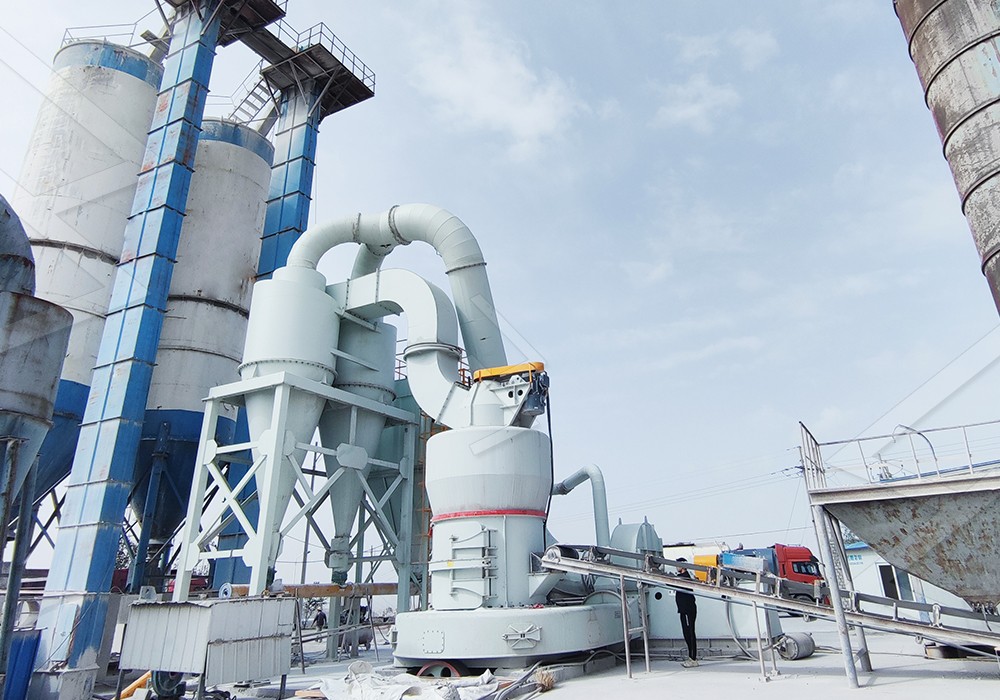
For gold processing plants aiming to optimize recovery, reduce energy costs, and minimize their environmental footprint, moving beyond the traditional ball mill is a strategic imperative. Integrating a specialized ultra-fine grinder like the MW Ultrafine Grinding Mill can provide the precision, efficiency, and reliability needed for the modern mining industry.