
Optimizing Gangue Grinding Process Design for Efficient Mineral Processing
We provide a wide range of mills — including Raymond mill, trapezoidal mill, vertical mill, ultrafine mill, and ball mill, obtained ISO9001 international quality certification, EU CE certification, and Customs Union CU-TR certification. Suitable for processing minerals such as limestone, phosphate, quicklime, kaolin, talc, barite, bentonite, calcium carbonate, dolomite, coal, gypsum, clay, carbon black, slag, cement raw materials, cement clinker, and more.
The discharge range of these mills can be adjusted to meet specific processing needs, typically from 80-400 mesh, 600-3250 mesh, and can achieve the finest particle size of up to 6000 mesh(D50).
If you are looking for a reliable grinding solution to turn stone or minerals into fine powder, please feel free to contact our online customer service.
Optimizing Gangue Grinding Process Design for Efficient Mineral Processing
In the mineral processing industry, gangue grinding is a critical step to separate valuable minerals from waste rock. Efficient grinding not only improves recovery rates but also reduces energy consumption and operational costs. This article explores advanced strategies for optimizing gangue grinding processes, with a focus on cutting-edge equipment solutions.
The Importance of Gangue Grinding Optimization
Gangue materials often exhibit complex physical properties that challenge traditional grinding systems. Key optimization objectives include:
- Reducing specific energy consumption
- Minimizing overgrinding
- Improving particle size distribution
- Lowering maintenance requirements
- Enhancing environmental performance
Advanced Grinding Solutions
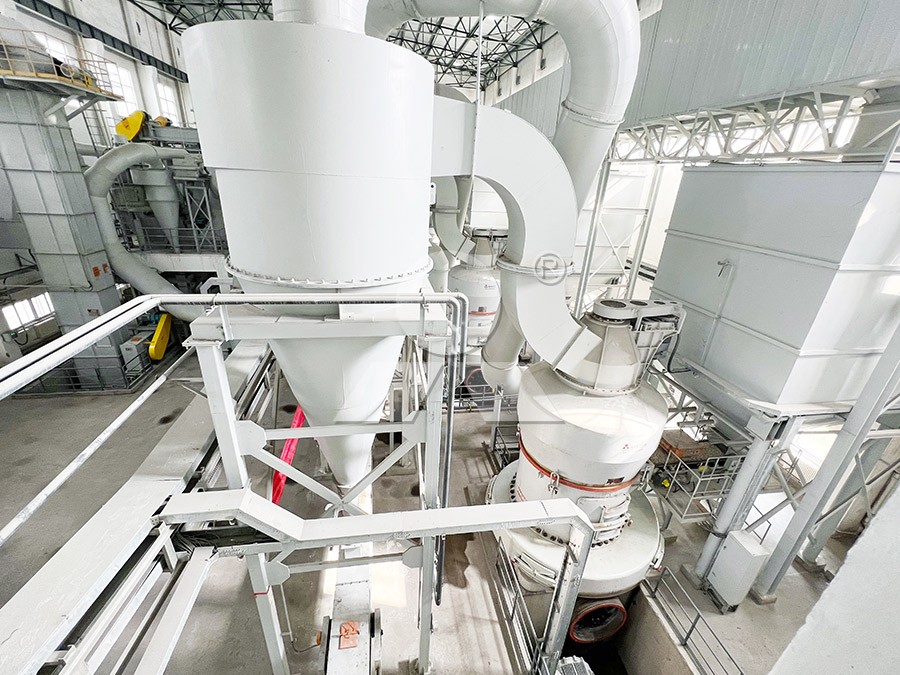
Modern grinding technology has evolved significantly to address these challenges. Among the most innovative solutions is our MW Ultrafine Grinding Mill, which represents a breakthrough in gangue processing efficiency.
The MW Ultrafine Grinding Mill features:
- Input Size: 0-20 mm
- Capacity: 0.5-25 tph
- Adjustable fineness between 325-2500 meshes
- 40% higher capacity than conventional mills
- 30% lower energy consumption
This equipment is particularly effective for processing limestone, calcite, dolomite, petroleum coal, gypsum, and other gangue materials commonly encountered in mineral processing operations.
Key Technological Advantages
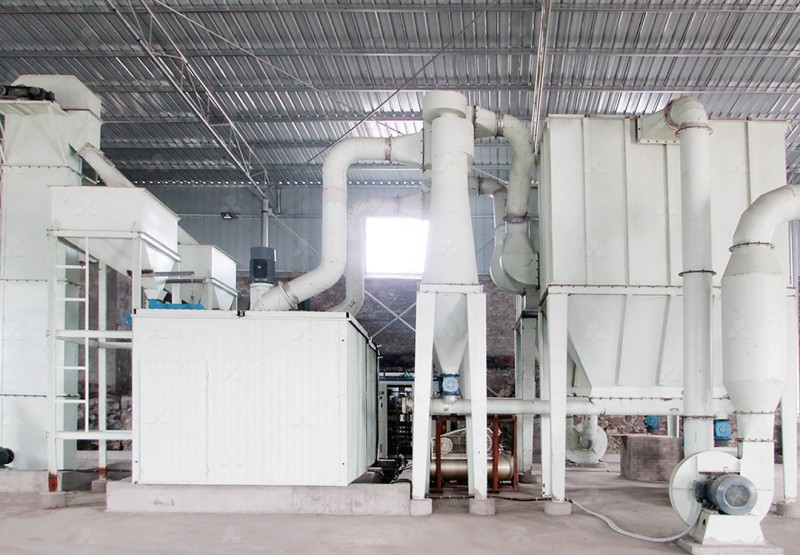
The MW Ultrafine Grinding Mill incorporates several patented technologies that deliver superior performance:
- Advanced Powder Selection: The cage-type powder selector with German technology ensures precise particle size control with screening rates achieving d97≤5μm.
- Durable Design: The absence of rolling bearings and screws in the grinding chamber eliminates common failure points and extends maintenance intervals.
- Eco-Friendly Operation: Integrated pulse dust collector and noise reduction systems meet stringent environmental standards.
Process Integration Considerations
When implementing advanced grinding solutions like the MW Ultrafine Grinding Mill, several integration factors should be considered:
| Parameter | Optimization Strategy |
|---|---|
| Feed Preparation | Pre-crushing to <20mm for optimal MW mill performance |
| Moisture Control | Maintain <5% moisture for dry grinding efficiency |
| System Layout | Compact design reduces footprint by 50% vs ball mills |
Case Study: Improved Gangue Processing
A recent installation of the MW Ultrafine Grinding Mill in a coal preparation plant demonstrated:
- 35% reduction in specific energy consumption
- 28% increase in throughput
- 60% reduction in maintenance downtime
- Compliance with strict dust emission standards
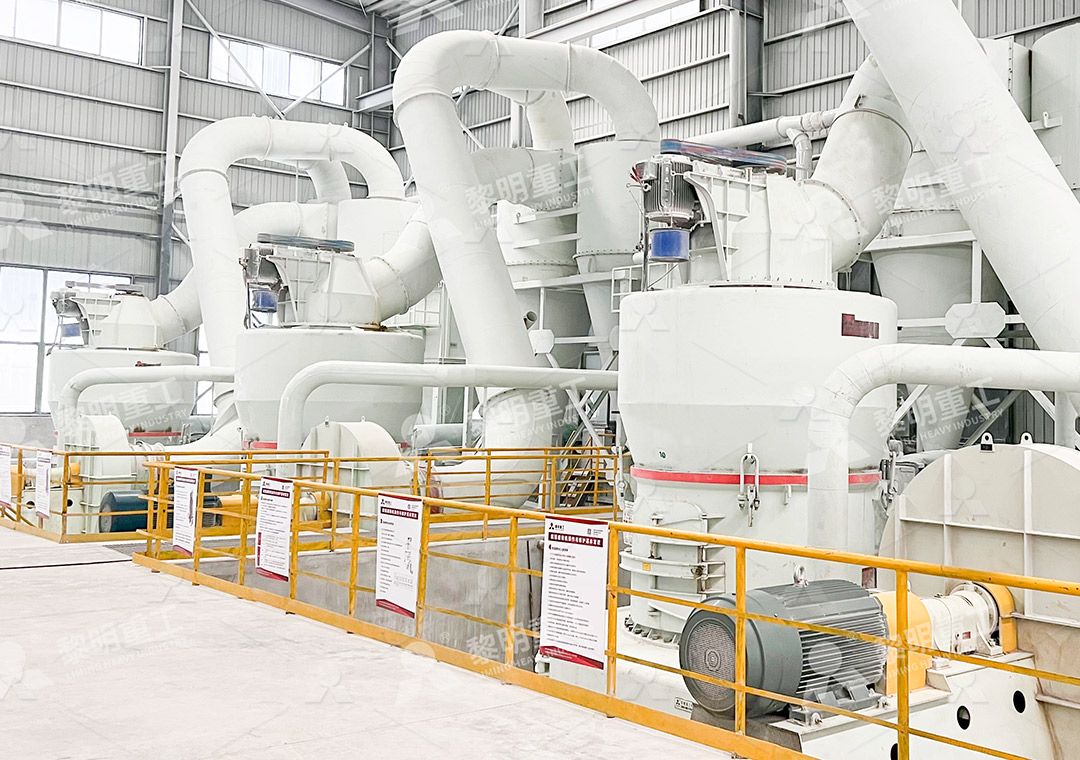
For operations requiring higher throughput, our LUM Ultrafine Vertical Grinding Mill (5-18 tph capacity) offers similar advantages with additional features like reversible structure for easier maintenance.
Conclusion
Optimizing gangue grinding processes requires a combination of advanced equipment selection and intelligent process design. The MW Ultrafine Grinding Mill represents a significant leap forward in grinding technology, offering mineral processors an opportunity to simultaneously improve efficiency, reduce costs, and meet environmental objectives. With its unique combination of high capacity, energy efficiency, and low maintenance requirements, this solution is transforming gangue processing operations worldwide.