
Optimizing Energy Efficiency: A Comprehensive Evaluation of Limestone Grinding Mill Consumption
We provide a wide range of mills — including Raymond mill, trapezoidal mill, vertical mill, ultrafine mill, and ball mill, obtained ISO9001 international quality certification, EU CE certification, and Customs Union CU-TR certification. Suitable for processing minerals such as limestone, phosphate, quicklime, kaolin, talc, barite, bentonite, calcium carbonate, dolomite, coal, gypsum, clay, carbon black, slag, cement raw materials, cement clinker, and more.
The discharge range of these mills can be adjusted to meet specific processing needs, typically from 80-400 mesh, 600-3250 mesh, and can achieve the finest particle size of up to 6000 mesh(D50).
If you are looking for a reliable grinding solution to turn stone or minerals into fine powder, please feel free to contact our online customer service.
Optimizing Energy Efficiency: A Comprehensive Evaluation of Limestone Grinding Mill Consumption
The quest for operational excellence in mineral processing hinges critically on energy efficiency. For limestone grinding operations, the choice of milling technology directly impacts profitability, environmental footprint, and long-term sustainability. This article delves into the key factors influencing energy consumption and presents advanced solutions designed to maximize output while minimizing power draw.
Traditional grinding systems, such as ball mills and Raymond mills, have long been the industry standard. However, their inherent design often leads to significant energy losses through heat, noise, and inefficient particle size reduction. The grinding process itself is inherently energy-intensive, but modern engineering has made remarkable strides in optimizing every stage—from material feed and crushing to classification and collection.
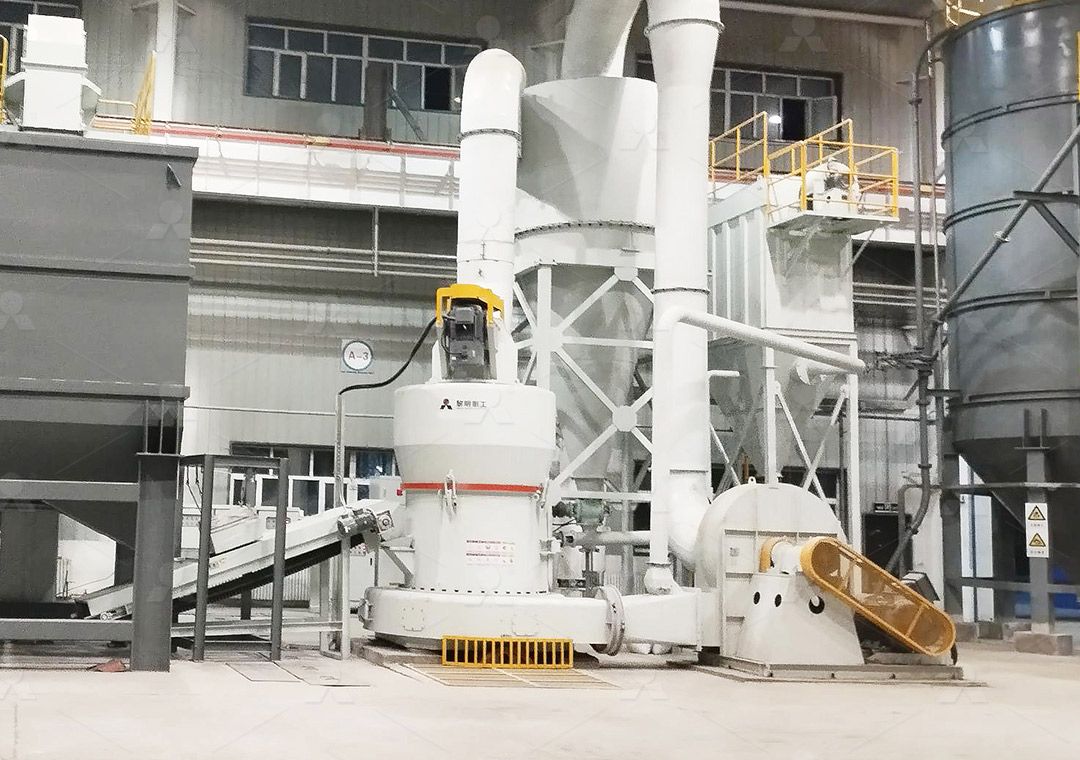
The Pillars of Efficient Grinding
Several core principles define an energy-efficient grinding mill. First is the precision of the grinding mechanism. Systems that utilize optimized grinding curves for rollers and rings achieve more effective size reduction with each pass, reducing the need for recirculation and repeated grinding. Second, advanced powder separation technology is crucial. High-precision classifiers ensure that only properly sized particles proceed to collection, preventing energy waste on over-grinding fine powders or under-grinding coarse material.
Third, system integration plays a vital role. Mills that integrate drying, grinding, and classifying within a single, compact unit significantly reduce the energy required for material conveyance between separate machines. Furthermore, intelligent automation allows for real-time adjustment of parameters like grinding pressure and classifier speed, ensuring the mill operates at its peak efficiency point under varying feed conditions.
Advanced Solutions for Maximum Efficiency
Among the forefront of energy-saving technologies is the MW Ultrafine Grinding Mill. This machine is specifically engineered for customers requiring ultra-fine limestone powder. A standout feature is its newly designed grinding curves for the roller and ring, which enhance grinding efficiency dramatically. Comparative analyses show that with the same fineness and power input, the MW Mill’s production capacity is 40% higher than jet mills and twice that of ball mills, while system energy consumption is a mere 30% of a comparable jet mill. Its cage-type powder selector, incorporating German technology, allows for precise fineness adjustment between 325 and 2500 meshes, ensuring optimal product quality with minimal energy waste.
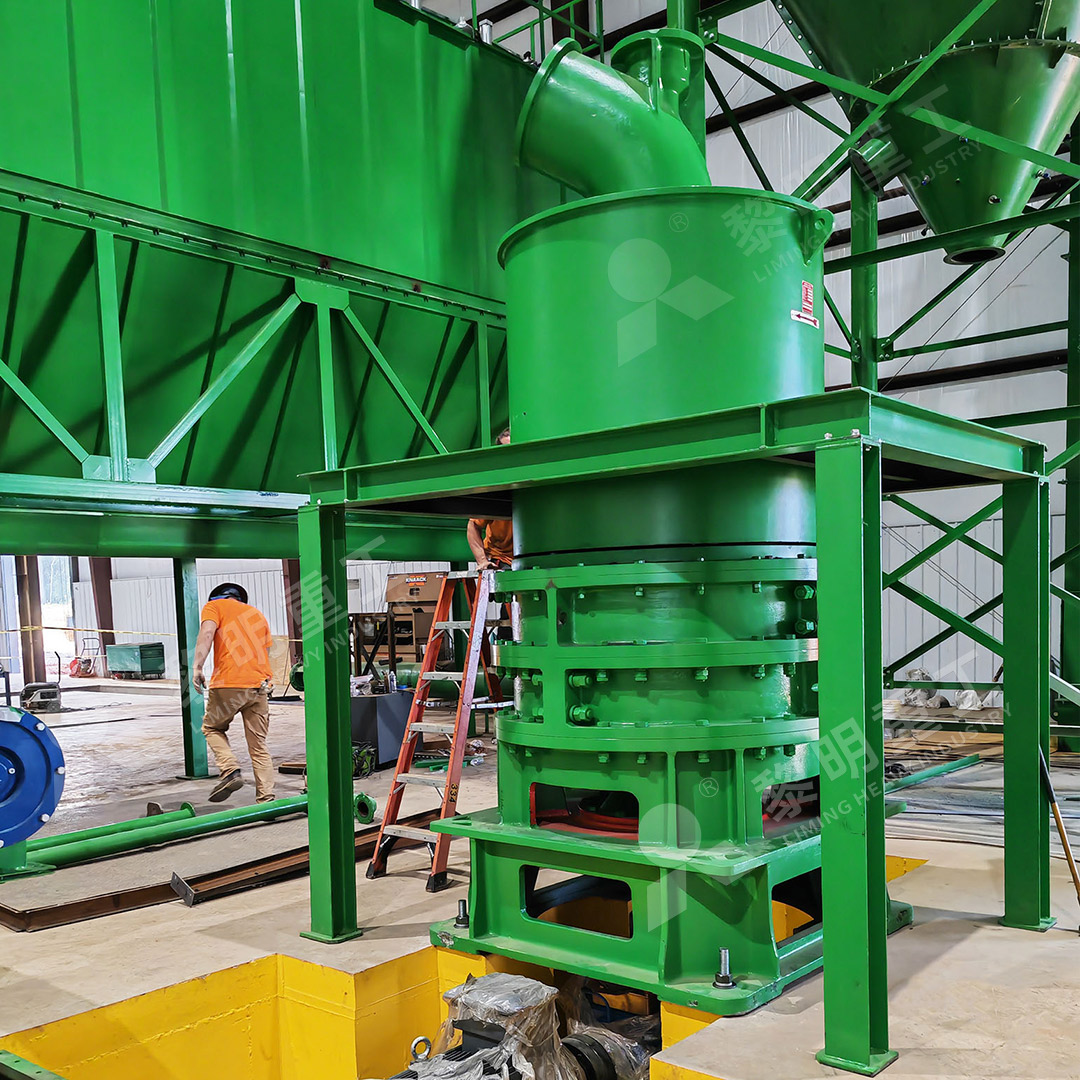
For operations prioritizing high capacity and exceptional stability, the LUM Ultrafine Vertical Grinding Mill offers a compelling alternative. Its design incorporates the latest roller technology and German powder separating technology. A key advantage is its unique roller shell and lining plate grinding curve, which facilitates easier material layer formation and enables a high rate of finished product in a single pass. This design avoids the common pitfalls of traditional mills, such as long material lingering time and repeated grinding, which sap energy. The LUM mill’s PLC control system and multi-head powder separating technology enable precise control, reducing energy consumption by 30% to 50% compared to common grinding mills.
Beyond the Machine: Holistic Efficiency
True optimization extends beyond the mill itself. Proper system design, including efficient dust collection with pulse jet systems and effective noise reduction measures, contributes to a lower overall operational energy burden. Features like external lubrication systems, as seen in the MW Mill, allow for maintenance without shutdowns, supporting continuous 24/7 operation and avoiding the energy spikes associated with frequent start-stop cycles.
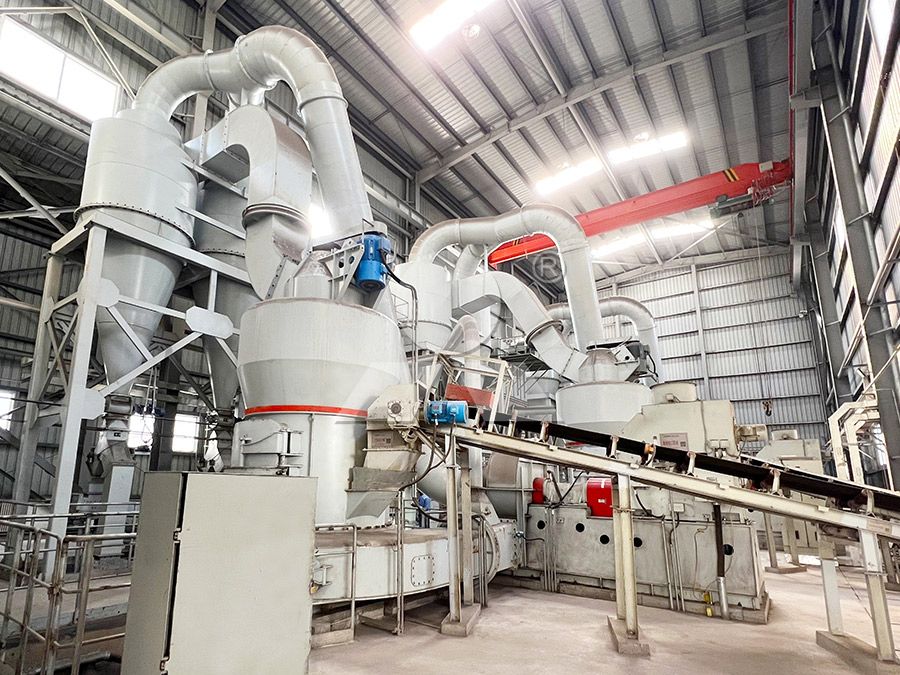
In conclusion, optimizing energy efficiency in limestone grinding is not about a single silver bullet but a systems-based approach. By selecting advanced milling technology that prioritizes intelligent design, precise classification, and operational stability, producers can achieve significant reductions in energy consumption, lower operating costs, and enhance their environmental stewardship.
Frequently Asked Questions (FAQ)
Q: How much energy savings can I realistically expect by upgrading to a more modern grinding mill?
A: Savings are substantial but vary based on the existing equipment and target fineness. Upgrades to mills like the MW or LUM series typically result in 30% to 50% reductions in specific energy consumption (kWh per ton of product).
Q: Does higher efficiency mean a compromise on product fineness or quality?
A> Absolutely not. Advanced mills are designed to achieve superior product quality, with narrower particle size distributions and higher whiteness/cleanliness, precisely because of their more efficient and controlled grinding mechanisms.
Q: Are these high-efficiency mills difficult to maintain?
A> On the contrary, designs like the MW Mill (with no rolling bearings or screws in the grinding chamber) and the LUM Mill (with a reversible structure for easy roller access) are engineered specifically to simplify maintenance, reduce downtime, and lower long-term operating costs.
Q: Can these mills handle variations in limestone hardness or moisture content?
A> Yes, modern mills with automated control systems can dynamically adjust parameters like grinding pressure and fan speed to accommodate fluctuations in feed material properties, maintaining consistent efficiency and product quality.