
Optimizing Dolomite Powder Production: A Comprehensive Industrial Development Plan
We provide a wide range of mills — including Raymond mill, trapezoidal mill, vertical mill, ultrafine mill, and ball mill, obtained ISO9001 international quality certification, EU CE certification, and Customs Union CU-TR certification. Suitable for processing minerals such as limestone, phosphate, quicklime, kaolin, talc, barite, bentonite, calcium carbonate, dolomite, coal, gypsum, clay, carbon black, slag, cement raw materials, cement clinker, and more.
The discharge range of these mills can be adjusted to meet specific processing needs, typically from 80-400 mesh, 600-3250 mesh, and can achieve the finest particle size of up to 6000 mesh(D50).
If you are looking for a reliable grinding solution to turn stone or minerals into fine powder, please feel free to contact our online customer service.
Optimizing Dolomite Powder Production: A Comprehensive Industrial Development Plan
Dolomite powder is a versatile material widely used in industries such as construction, agriculture, ceramics, and chemicals. To meet the growing demand for high-quality dolomite powder, optimizing production processes is essential. This article explores advanced grinding technologies and industrial strategies to enhance efficiency, reduce energy consumption, and ensure environmental sustainability.
Challenges in Dolomite Powder Production
Producing fine and ultra-fine dolomite powder requires precision grinding equipment capable of handling varying input sizes while maintaining consistent output quality. Traditional ball mills and Raymond mills often fall short in terms of energy efficiency and fineness control. Additionally, dust pollution and noise are significant concerns in large-scale production.
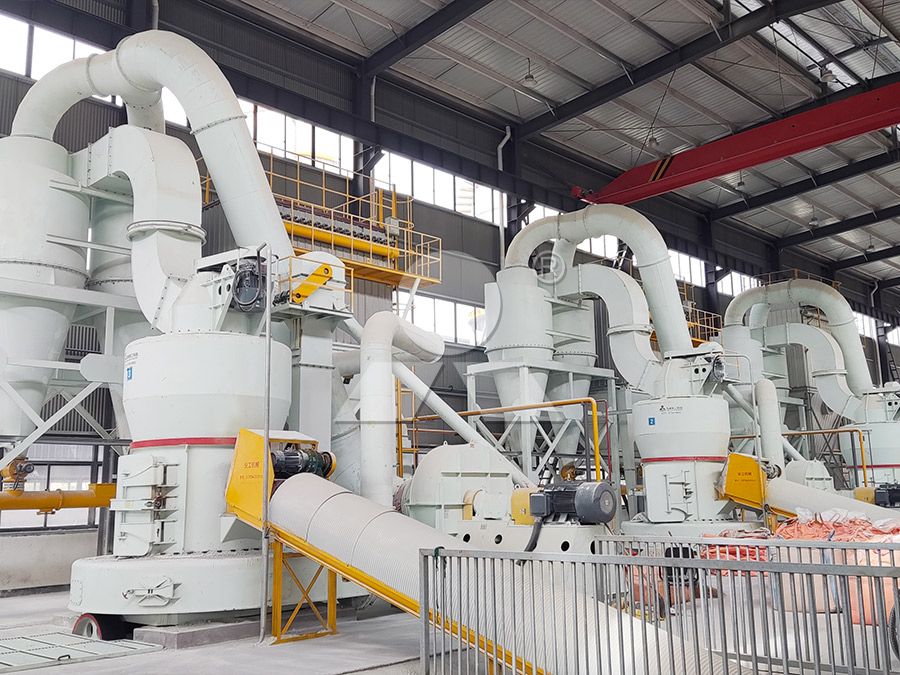
Advanced Grinding Solutions
To address these challenges, modern grinding mills like the MW Ultrafine Grinding Mill and LUM Ultrafine Vertical Grinding Mill offer superior performance. These machines are designed for high-yield, low-energy consumption, and eco-friendly operations.
MW Ultrafine Grinding Mill
The MW Ultrafine Grinding Mill is engineered for customers requiring ultra-fine powder production. Key features include:
- Higher Yielding, Lower Energy Consumption: The mill’s innovative grinding curves enhance efficiency, offering 40% higher capacity than jet mills and twice the yield of ball mills.
- Adjustable Fineness (325-2500 meshes): German-designed cage-type powder selectors ensure precise separation.
- Eco-Friendly Operation: Equipped with a pulse dust collector and muffler, the mill minimizes dust and noise pollution.
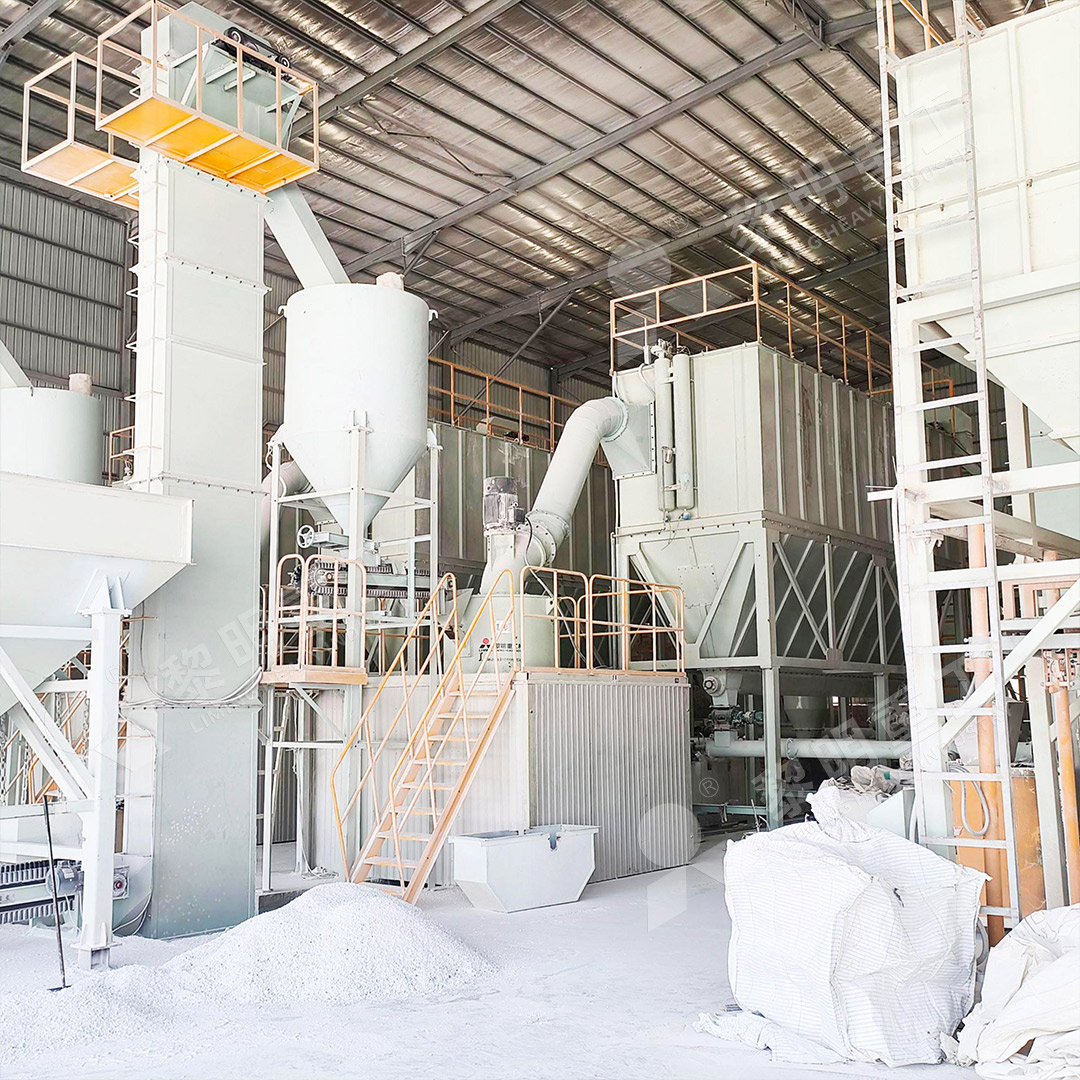
LUM Ultrafine Vertical Grinding Mill
The LUM Ultrafine Vertical Grinding Mill integrates grinding, classifying, and transporting into a single system. Its standout features include:
- Energy-Saving Multi-Head Powder Separating Technology: Reduces energy consumption by 30%-50% compared to conventional mills.
- Stable Operation: Double position-limiting technology prevents destructive impacts during vibration.
- Easy Maintenance: A reversible structure allows quick access to grinding rollers for inspection and replacement.
Industrial Implementation Strategy
To maximize dolomite powder production efficiency, consider the following steps:
- Equipment Selection: Choose mills like the MW or LUM series based on production capacity and fineness requirements.
- Process Automation: Implement PLC control systems for precise parameter adjustments.
- Dust Management: Utilize integrated pulse dust collectors to comply with environmental regulations.
- Maintenance Planning: Leverage the mills’ modular designs for minimal downtime during part replacements.
Conclusion
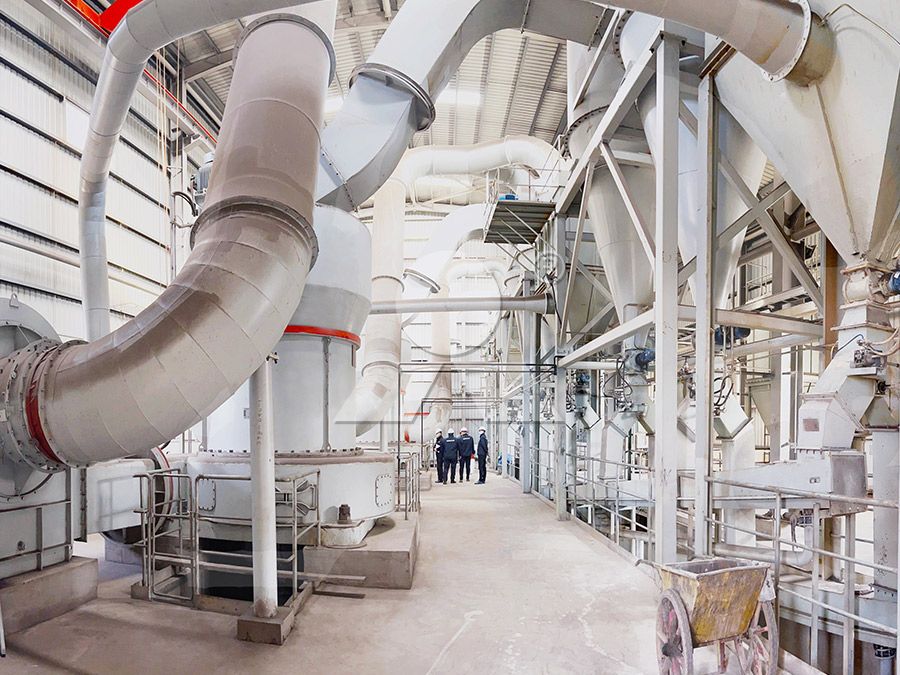
Investing in advanced grinding technology, such as the MW Ultrafine Grinding Mill or LUM Ultrafine Vertical Grinding Mill, is a strategic move for dolomite powder producers. These mills not only improve productivity and product quality but also align with global sustainability goals. By adopting these solutions, industries can achieve a competitive edge in the rapidly evolving market.