
Optimizing Cold Rolling Mill Plans for South Africa’s Steel Industry
We provide a wide range of mills — including Raymond mill, trapezoidal mill, vertical mill, ultrafine mill, and ball mill, obtained ISO9001 international quality certification, EU CE certification, and Customs Union CU-TR certification. Suitable for processing minerals such as limestone, phosphate, quicklime, kaolin, talc, barite, bentonite, calcium carbonate, dolomite, coal, gypsum, clay, carbon black, slag, cement raw materials, cement clinker, and more.
The discharge range of these mills can be adjusted to meet specific processing needs, typically from 80-400 mesh, 600-3250 mesh, and can achieve the finest particle size of up to 6000 mesh(D50).
If you are looking for a reliable grinding solution to turn stone or minerals into fine powder, please feel free to contact our online customer service.
Optimizing Cold Rolling Mill Plans for South Africa’s Steel Industry
The South African steel industry stands at a critical juncture, balancing the demands of global competitiveness with the pressing need for sustainable, efficient operations. At the heart of this transformation lies the cold rolling process, a precision-intensive stage that defines the final quality, strength, and surface finish of steel products. Optimizing these mill plans is no longer a matter of incremental improvement but a strategic imperative for survival and growth in a challenging market.
A key challenge in cold rolling is the preparation and treatment of auxiliary materials and by-products. The grinding of specific minerals used in coatings, lubricants, or even the processing of waste slag into valuable additives requires machinery that delivers consistent ultra-fine powders. This is where precision grinding technology becomes a pivotal enabler for the entire rolling operation.
The Role of Advanced Grinding in Mill Efficiency
Efficient cold rolling depends on more than just the main rolling stands. The quality of powders used in various applications—from creating specialized coatings to processing desulfurization agents—directly impacts product quality and operational costs. Traditional grinding solutions often fall short, plagued by high energy consumption, inconsistent fineness, and significant environmental footprint due to dust and noise.
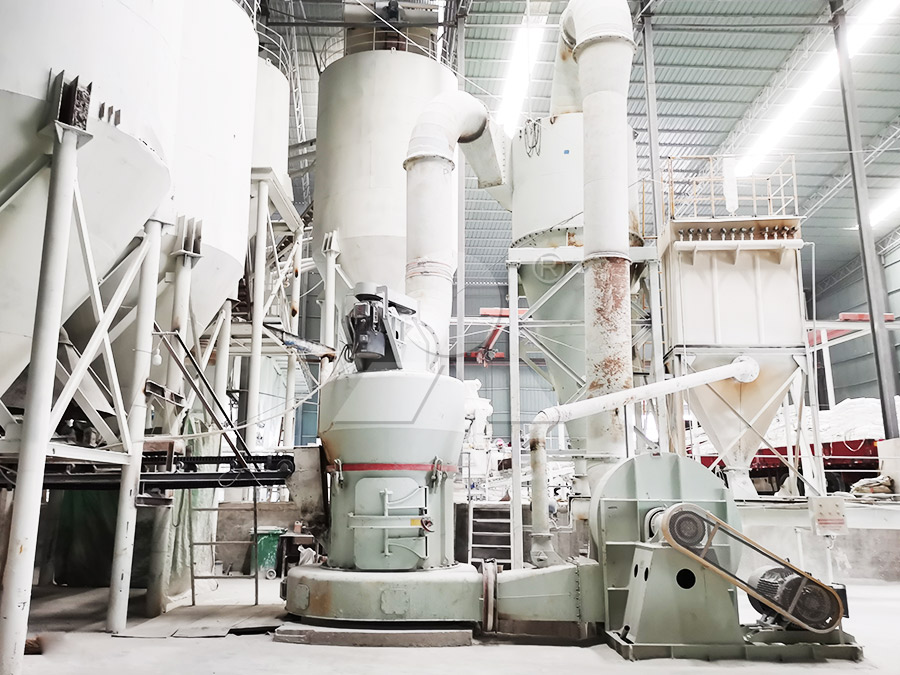
For operations requiring the production of ultra-fine powders from materials like limestone, calcite, or barite—essential in many steel-making ancillary processes—a specialized approach is needed. We recommend considering the MW Ultrafine Grinding Mill for such applications. This machine is engineered for customers who need to make ultra-fine powder with exceptional efficiency. With an input size of 0-20 mm and a capacity ranging from 0.5 to 25 tph, it is equipped with an efficient pulse dust collector and muffler, significantly reducing dust and noise. Its design ensures the entire production process has minimal environmental impact, a crucial factor for modern compliance. A standout feature is its adjustable fineness between 325-2500 meshes, achieved through a German-technology cage-type powder selector, ensuring precise separation for superior product quality.
Integrating Sustainability and Precision
South Africa’s industrial strategy increasingly emphasizes green manufacturing. An optimized cold rolling plan must, therefore, integrate technologies that reduce waste and energy use. The grinding phase offers significant opportunities here. Advanced mills are designed not just for performance but for eco-efficiency.
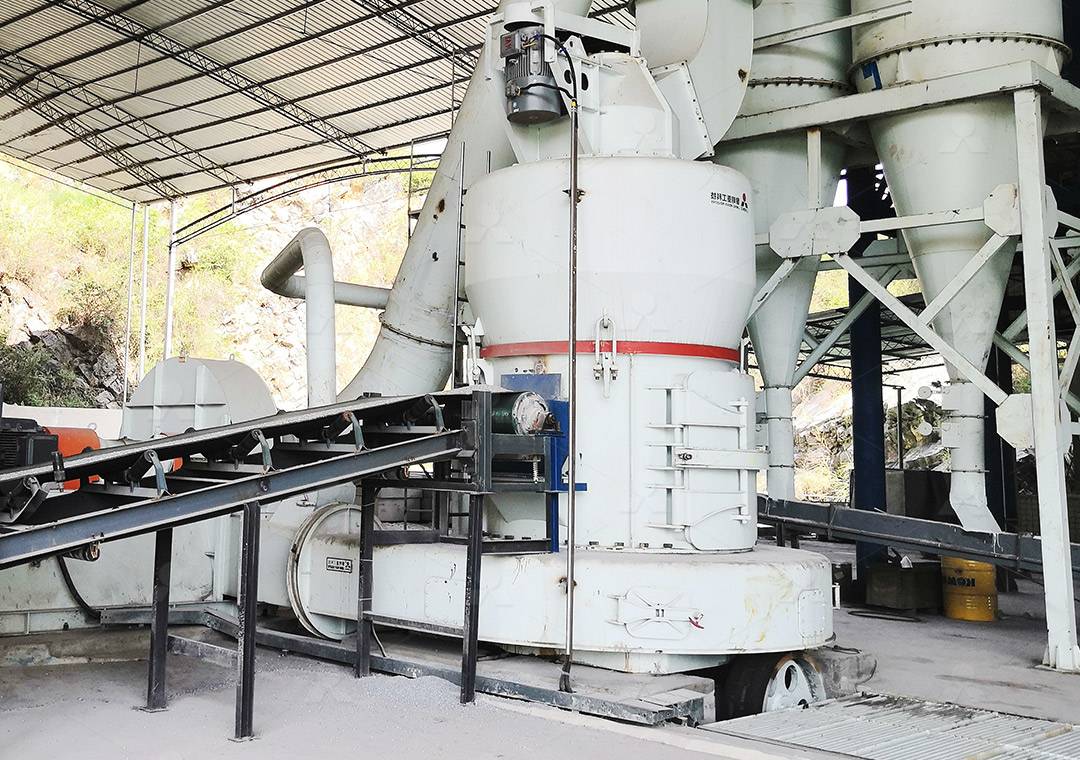
Another robust solution for finer raw material preparation is the LUM Ultrafine Vertical Grinding Mill. Independently designed with the latest grinding roller and powder separating technology, it integrates grinding, grading, and transporting into a single, efficient system. Handling an input size of 0-10 mm and a capacity of 5-18 tph, it is particularly effective for producing superfine dry powder from non-metal ores. Its unique roller shell and lining plate grinding curve promote easier material layer generation, enabling a high rate of finished products in a single pass. This translates to higher whiteness and cleanliness of finished products, which is vital for high-grade steel applications. Furthermore, its PLC control system and multi-head powder separating technology can reduce energy consumption by 30%-50% compared to common grinding mills.
A Data-Driven Approach to Mill Planning
Optimization is not solely about hardware. It involves a holistic, data-driven approach to the entire production chain. By leveraging digital twins and advanced process control, mills can simulate different scenarios for coil sequencing, tension control, and roll wear management. This predictive capability allows for minimizing downtime and maximizing yield. The integration of precision grinding equipment with such digital systems ensures a consistent, high-quality feedstock, which is the foundation for predictable and efficient rolling outcomes.
The future of South Africa’s steel industry hinges on its ability to adopt such integrated, smart technologies. By focusing on optimizing every link in the chain—from raw material preparation to the final cold-rolled product—mills can achieve new levels of productivity, quality, and sustainability.

Frequently Asked Questions (FAQ)
Why is grinding technology important for cold rolling mills?
Grinding technology is crucial for preparing high-quality powders used in coatings, lubricants, and processing by-products like slag. Consistent fineness and purity directly affect the surface quality and properties of the final cold-rolled steel.
What are the key benefits of the MW Ultrafine Grinding Mill?
The MW Mill offers higher yield with 40% more capacity than jet mills, adjustable fineness between 325-2500 meshes, and an eco-friendly design with integrated dust and noise reduction systems. Its ‘no rolling bearing in chamber’ design also enhances reliability.
How does the LUM Ultrafine Vertical Grinding Mill contribute to energy savings?
The LUM Mill utilizes multi-head powder separating technology and a PLC control system, allowing precise control over grinding parameters. This efficiency can reduce energy consumption by 30% to 50% compared to traditional mills.
Can these grinding mills handle South African mineral varieties?
Yes, both the MW and LUM mills are designed for a wide range of materials commonly found and used in South Africa, including limestone, dolomite, barite, and coal powder, making them highly suitable for local industry applications.