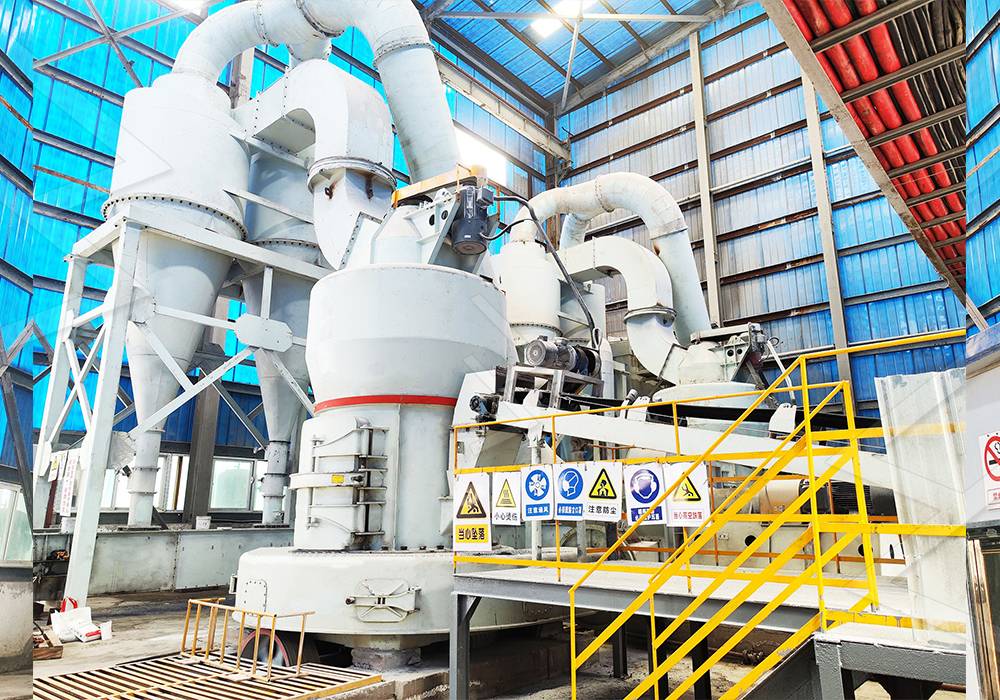
Optimizing Cement Production: The Role of Indonesian Classifiers in Cement Mills
We provide a wide range of mills — including Raymond mill, trapezoidal mill, vertical mill, ultrafine mill, and ball mill, obtained ISO9001 international quality certification, EU CE certification, and Customs Union CU-TR certification. Suitable for processing minerals such as limestone, phosphate, quicklime, kaolin, talc, barite, bentonite, calcium carbonate, dolomite, coal, gypsum, clay, carbon black, slag, cement raw materials, cement clinker, and more.
The discharge range of these mills can be adjusted to meet specific processing needs, typically from 80-400 mesh, 600-3250 mesh, and can achieve the finest particle size of up to 6000 mesh(D50).
If you are looking for a reliable grinding solution to turn stone or minerals into fine powder, please feel free to contact our online customer service.
Optimizing Cement Production: The Role of Indonesian Classifiers in Cement Mills
In the heart of Southeast Asia’s booming construction sector, Indonesia’s cement industry stands as a critical pillar of economic development. With infrastructure projects scaling up from Sumatra to Papua, the demand for high-quality cement has never been higher. However, achieving the precise particle size distribution and fineness required for superior cement strength and durability remains a persistent challenge for many producers. This is where advanced classification technology, particularly within cement mills, becomes a game-changer.
Classifier systems in cement mills are not merely ancillary components; they are the arbiters of product quality. These systems determine the cut point between coarse and fine particles, ensuring that only optimally sized material proceeds to the next stage or is dispatched as final product. Inefficient classification leads to energy waste through over-grinding, reduced mill throughput, and inconsistent cement quality that can compromise structural integrity.
Indonesian plants, often operating in humid environments that can affect material flow, require robust and intelligent classifier solutions. Modern classifiers must handle varying raw material properties, from limestone to clinker, and adapt to different production targets without manual intervention. The integration of PLC controls and high-efficiency separators has become standard for mills aiming to compete on both quality and cost-efficiency.
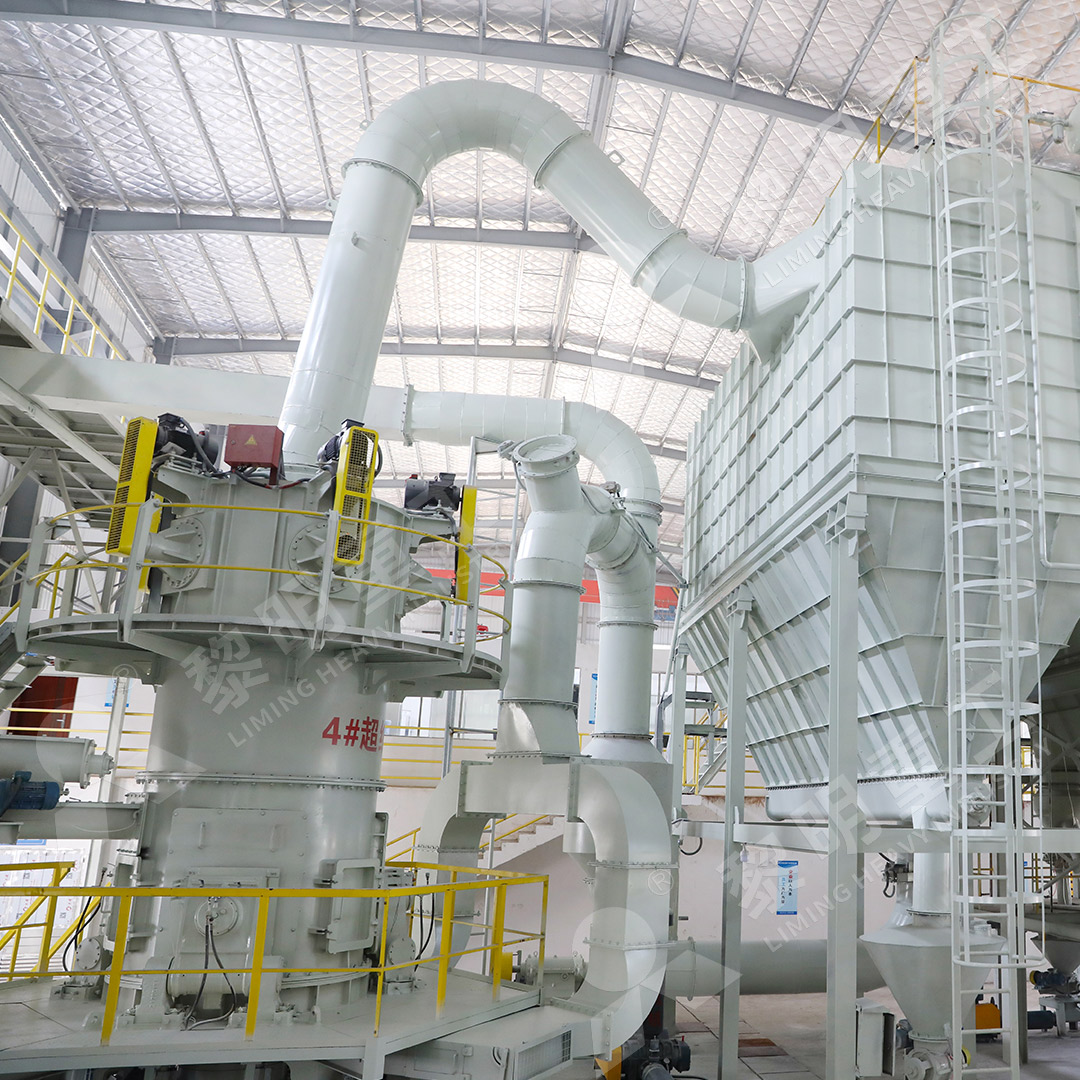
For operations seeking a significant upgrade, especially those processing additives or aiming for ultra-fine blends, the MW Ultrafine Grinding Mill presents an compelling solution. This machine is engineered for customers who need to make ultra-fine powder, with an input size of 0-20 mm and a capacity range of 0.5-25 tph. Its cage-type powder selector, which incorporates German technologies, is a standout feature for cement applications requiring precise cuts. It effectively increases the precision of powder separation, allowing the product fineness to be seamlessly adjusted between 325-2500 meshes. This is crucial for producing specialty cements or for optimizing the particle size of supplementary cementitious materials (SCMs).
Beyond precision, the MW Ultrafine Grinding Mill is designed for the realities of industrial operation. A significant advantage is the absence of rolling bearings and screws in the grinding chamber. This design eliminates worries about damages to bearings or their sealing parts and prevents machine failure caused by loose screws—a common headache in high-vibration environments. Furthermore, its efficient pulse dust collector and muffler system ensures that the entire production process meets stringent Indonesian environmental standards, reducing both dust and noise pollution.
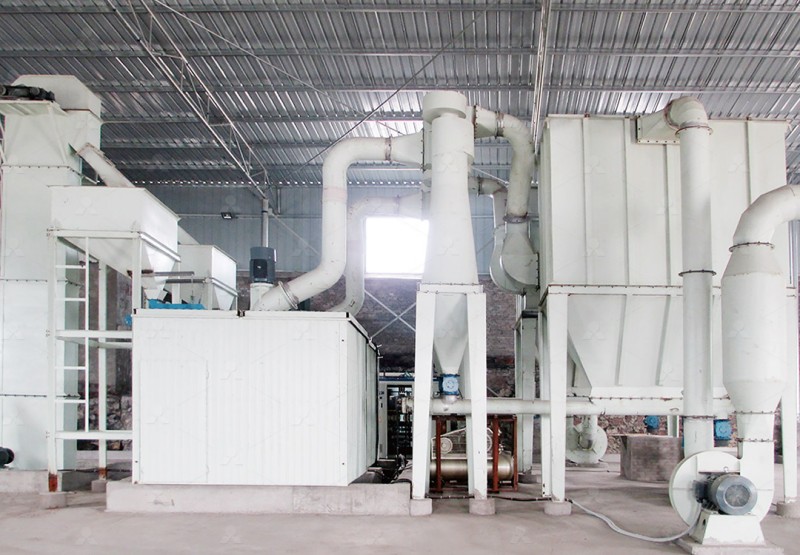
Another exceptional option for modernizing a production line is the LUM Ultrafine Vertical Grinding Mill. Independently designed by LIMING, it integrates ultrafine powder grinding, grading, and transporting. Its key advantage for cement production lies in its more energy-saving multi-head powder separating technology. This system completely solves the problems of “high-precision and accurate cutting powder diameter, and fast switch of different production demands.” For a plant manager, this translates to precise control over grinding parameters and energy consumption that is 30%-50% lower than common grinding mills—a major factor in reducing operational costs.
The LUM Mill’s double position-limiting technology is also critical for operational stability. It uses electronic and mechanical limiting protection to avoid destructive impacts, such as the grinding roller directly smashing the millstone, which can be caused by machine vibration. This feature guarantees uninterrupted operation, which is vital for meeting tight production schedules. Its reversible structure also simplifies maintenance, allowing operators to easily move the grinding roller out of the body for checking and replacing wear parts, thereby minimizing costly downtime.
In conclusion, the choice of classifier and grinding technology is paramount for Indonesian cement producers aiming to enhance efficiency, product quality, and environmental compliance. Investing in advanced mills like the MW Ultrafine Grinding Mill or the LUM Ultrafine Vertical Grinding Mill is not just a purchase of equipment; it is a strategic move towards sustainable and profitable production in a competitive market.