
Optimizing Cement Production: Ball Size Sorting Equipment for Grinding Mills
We provide a wide range of mills — including Raymond mill, trapezoidal mill, vertical mill, ultrafine mill, and ball mill, obtained ISO9001 international quality certification, EU CE certification, and Customs Union CU-TR certification. Suitable for processing minerals such as limestone, phosphate, quicklime, kaolin, talc, barite, bentonite, calcium carbonate, dolomite, coal, gypsum, clay, carbon black, slag, cement raw materials, cement clinker, and more.
The discharge range of these mills can be adjusted to meet specific processing needs, typically from 80-400 mesh, 600-3250 mesh, and can achieve the finest particle size of up to 6000 mesh(D50).
If you are looking for a reliable grinding solution to turn stone or minerals into fine powder, please feel free to contact our online customer service.
Optimizing Cement Production: Ball Size Sorting Equipment for Grinding Mills
In the cement industry, the efficiency of the grinding process is paramount. It’s a high-energy consumption operation where even marginal improvements can lead to significant cost savings and enhanced product quality. While much attention is given to the primary grinding equipment, the optimization of ancillary components, such as ball size sorting systems for ball mills, plays a critically underappreciated role. Properly sorted and sized grinding media directly influences particle size distribution, mill throughput, and overall energy efficiency.
The Critical Role of Grinding Media
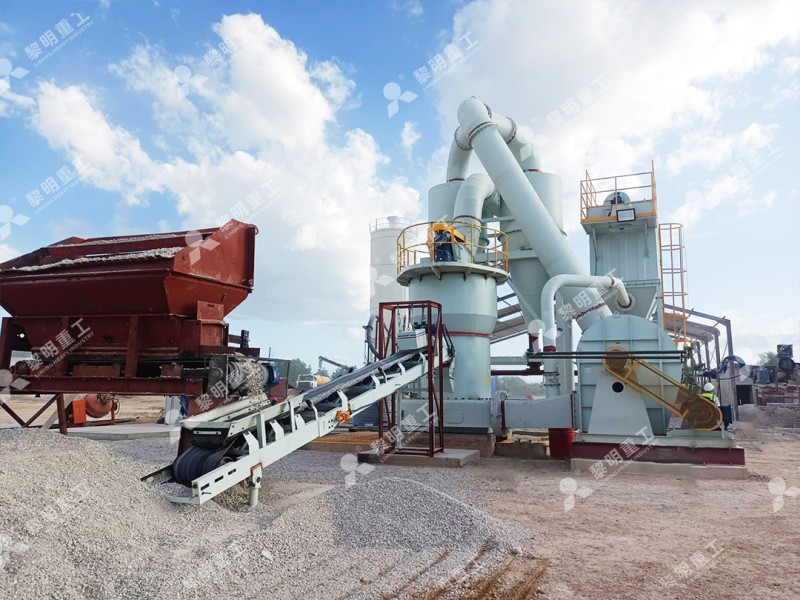
Ball mills, a workhorse in cement clinker grinding, rely on a charge of steel balls to perform size reduction through impact and abrasion. Over time, these balls wear down, reducing their effectiveness. A mixture of oversize, correctly sized, and undersize (worn) balls leads to inefficient grinding. Undersize balls provide insufficient impact energy for breaking down larger particles, while an incorrect size distribution can lead to cushioning, where balls interact with each other more than with the material. Implementing an effective ball size sorting and recharge system is not a luxury; it’s a necessity for maintaining optimal mill performance, reducing specific energy consumption (kWh/t), and minimizing media consumption.
Beyond Traditional Ball Mills: The Modern Approach to Grinding
While optimizing ball mills is essential, the industry is increasingly moving towards more efficient grinding technologies that offer inherent advantages in particle size control and energy usage. For operations looking to upgrade their entire grinding circuit or for new plant designs, considering advanced mill designs is a strategic move.
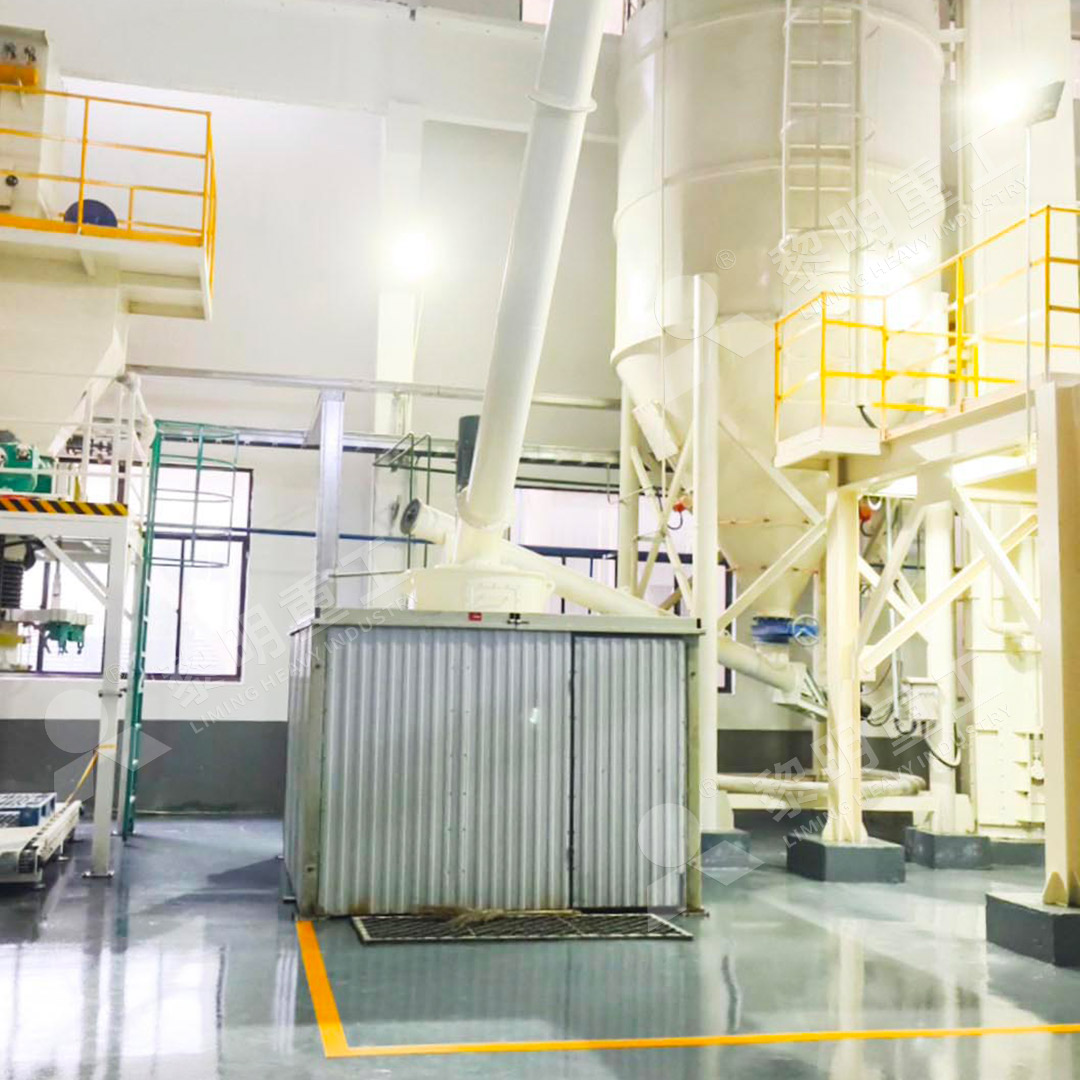
For instance, our MW Ultrafine Grinding Mill represents a significant leap forward. Designed for customers requiring ultra-fine powder, it operates on a different principle than traditional ball mills. With an input size of 0-20 mm and a capacity range of 0.5-25 tph, it’s exceptionally versatile. Its cage-type powder selector, adopting German technology, allows for precise fineness adjustment between 325-2500 meshes, achieving a remarkable screening rate of d97≤5μm in a single pass. A key feature for cement producers is its higher yielding and lower energy consumption – it operates at just 30% of the energy of a jet mill while offering twice the yield of a ball mill. The absence of rolling bearings and screws in the grinding chamber also eliminates common failure points, ensuring worry-free, continuous 24/7 operation, which is ideal for modern cement production lines.
Integrating Sorting with Advanced Milling
The future of cement grinding lies in integrated systems. For existing ball mill operations, implementing automated ball sorting equipment is the first step. This technology can automatically separate worn balls from the charge, allowing for the continuous recharge of optimally sized media. This maintains a consistent grinding power profile, stabilizes the mill operation, and ensures a consistent product quality.
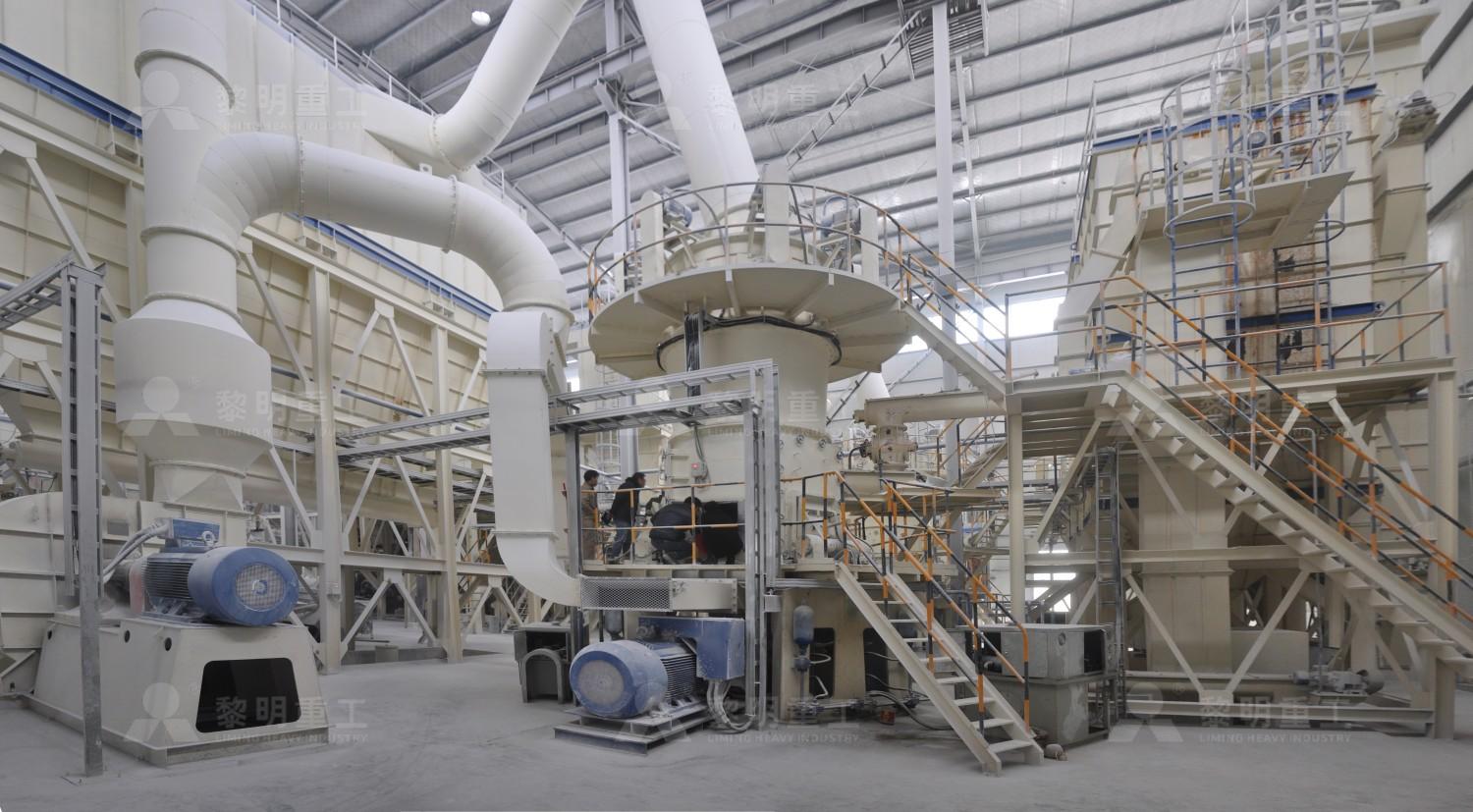
For new projects or major upgrades, pairing this optimized media management with a mill like our LUM Ultrafine Vertical Grinding Mill can be transformative. The LUM mill (Input: 0-10mm, Capacity: 5-18 tph) integrates grinding, classifying, and transporting. Its unique roller shell and lining plate grinding curve generate a stable material layer, enabling a high rate of finished product in a single pass. Its PLC control system and multi-head powder separating technology allow for precise control over grinding parameters, reducing energy consumption by 30-50% compared to conventional mills. Its reversible structure also allows for easy maintenance, drastically reducing downtime—a perfect complement to a streamlined, efficient grinding process.
Conclusion
Optimization in cement production is a continuous journey. Focusing on ball size sorting is a high-return, low-capital strategy for existing ball mill circuits. However, for maximum long-term efficiency, reliability, and product quality, embracing next-generation grinding technology like the MW and LUM series mills is the definitive path forward. By combining intelligent media management with advanced milling engineering, producers can achieve unparalleled operational excellence and a stronger competitive edge.