
Optimizing Cement Ball Mill Performance: Inlet Feed Chute Design and Function
We provide a wide range of mills — including Raymond mill, trapezoidal mill, vertical mill, ultrafine mill, and ball mill, obtained ISO9001 international quality certification, EU CE certification, and Customs Union CU-TR certification. Suitable for processing minerals such as limestone, phosphate, quicklime, kaolin, talc, barite, bentonite, calcium carbonate, dolomite, coal, gypsum, clay, carbon black, slag, cement raw materials, cement clinker, and more.
The discharge range of these mills can be adjusted to meet specific processing needs, typically from 80-400 mesh, 600-3250 mesh, and can achieve the finest particle size of up to 6000 mesh(D50).
If you are looking for a reliable grinding solution to turn stone or minerals into fine powder, please feel free to contact our online customer service.
Optimizing Cement Ball Mill Performance: Inlet Feed Chute Design and Function
The cement ball mill is a cornerstone of any grinding circuit, and its efficiency is paramount to overall plant productivity. While much attention is given to grinding media, liners, and separators, the design and function of the inlet feed chute is a critical yet often overlooked component. A poorly designed feed chute can lead to a host of operational issues, including poor material distribution, premature liner wear, grinding efficiency losses, and even mill plugging. Optimizing this component is a low-cost, high-impact strategy for maximizing mill output and reliability.
The Critical Role of the Inlet Feed Chute
The primary function of the feed chute is to transport material from the feed conveyor smoothly and efficiently into the mill’s first grinding compartment. Its design must accomplish several key objectives:
- Protection: It must protect the mill trunnion and head from abrasive wear caused by the constant stream of raw meal or clinker.
- Distribution: It must ensure an even distribution of feed across the entire cross-section of the mill. Uneven loading leads to inefficient grinding and unbalanced load dynamics.
- Flow Control: It must facilitate a consistent, plug-free flow of material into the mill, preventing surging or blockages that disrupt the steady-state operation.
- Sealing: It must maintain an effective seal to prevent dust emissions and false air ingress, which can negatively impact the downstream dust collection system and mill ventilation.
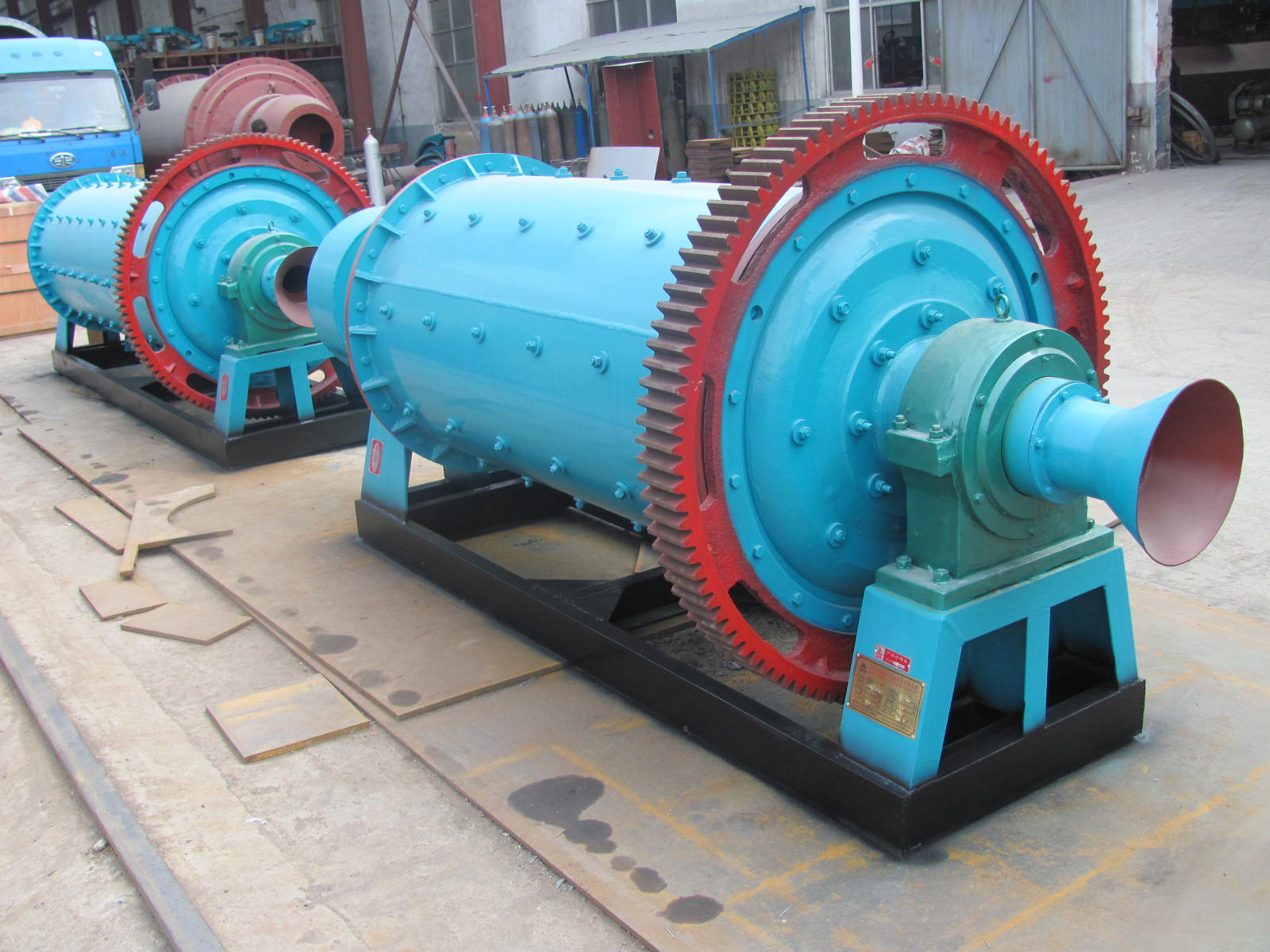
Common Design Challenges and Solutions
Traditional designs often suffer from rapid wear of the chute liner plates due to the highly abrasive nature of the feed. This wear alters the chute’s geometry, disrupting the intended material flow path and exacerbating distribution problems. Modern solutions involve the use of advanced wear-resistant materials like ceramic-lined or duplex steel plates. Furthermore, the internal geometry is often optimized using computational fluid dynamics (CFD) to model material flow, ensuring a cascading feed pattern that aligns with the mill’s rotation for optimal entry.
Another challenge is the transition from a stationary feed pipe to a rotating mill. Advanced designs incorporate self-adjusting sealing systems that can accommodate mill misalignment and thermal expansion without compromising the seal integrity.
Beyond the Ball Mill: Considering Alternative Grinding Technologies
While optimizing a ball mill’s ancillary equipment is crucial, many operators are now looking to newer technologies that offer a fundamental leap in efficiency. For operations requiring ultra-fine powders or seeking to significantly reduce energy consumption, vertical roller mills and specialized ultrafine grinding systems present a compelling alternative.
For instance, our MW Ultrafine Grinding Mill is engineered for customers who need to produce ultra-fine powder efficiently. With an input size of 0-20 mm and a capacity range of 0.5-25 tph, it is an ideal solution for a variety of materials including limestone, calcite, and barite. A key advantage is its higher yielding and lower energy consumption; it offers production capacity 40% higher than jet mills with system energy consumption only 30% of that technology. Its innovative design, featuring no rolling bearings or screws in the grinding chamber, eliminates common failure points and allows for external lubrication without shutdown, supporting continuous 24/7 operation.
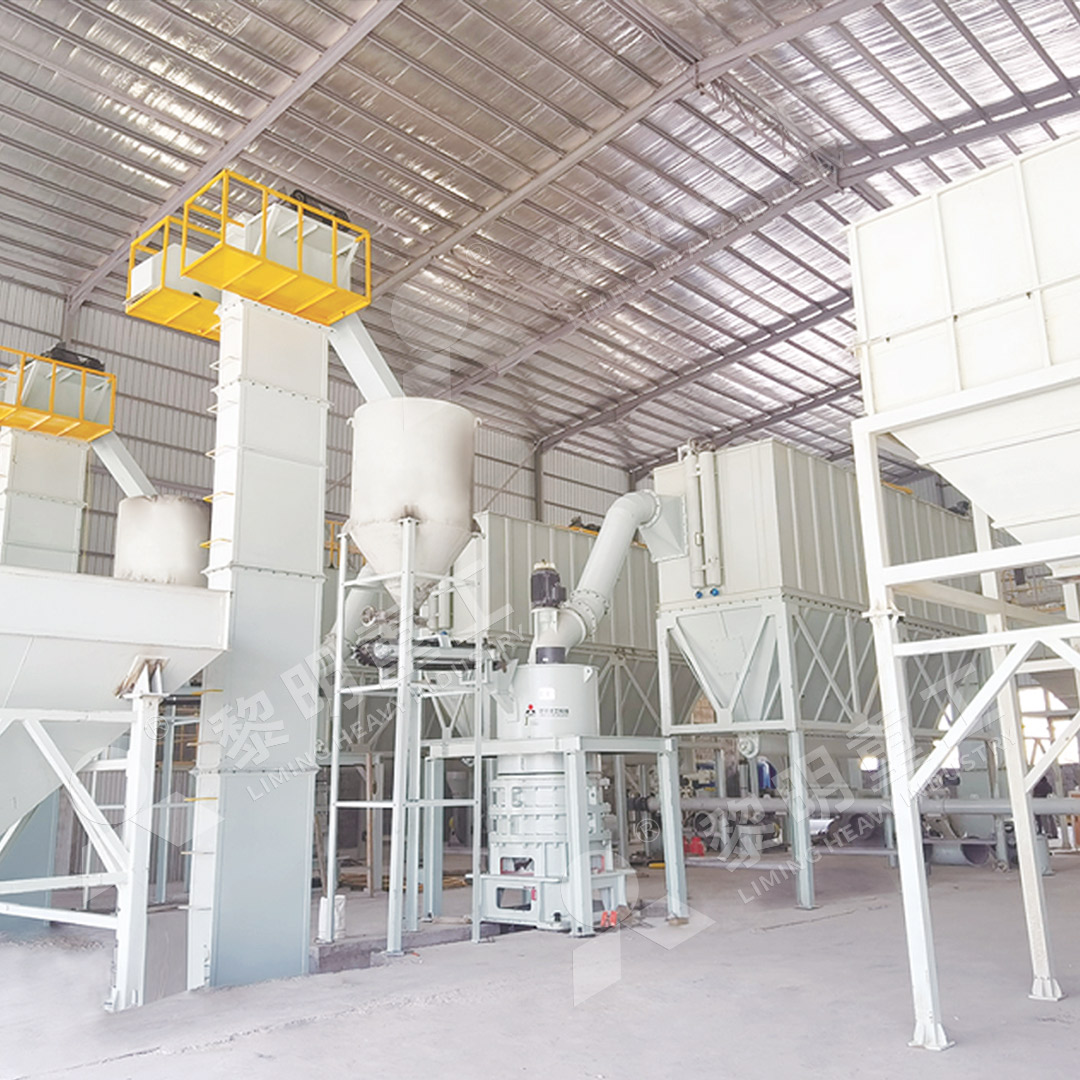
For another robust option, the LUM Ultrafine Vertical Grinding Mill integrates grinding, grading, and transporting with higher efficiency. Its unique roller shell and lining plate grinding curve generate a stable material layer, enabling a high rate of finished product in a single pass. This design not only enhances efficiency but also improves the whiteness and cleanliness of the final product, making it perfect for high-value applications in chemicals, paints, and cosmetics.
Conclusion
Attention to detail in components like the inlet feed chute can yield significant returns in ball mill performance. However, for the highest gains in grinding efficiency, energy savings, and product quality, evaluating a transition to advanced milling technologies like the MW or LUM series should be a key part of any plant’s optimization strategy. These mills are designed from the ground up to address the limitations of traditional ball milling.
Frequently Asked Questions (FAQ)
What are the first signs of a poorly functioning ball mill feed chute?
The most common signs are uneven grinding noise, visible uneven wear on mill liners, increased recirculation of coarse material, higher specific energy consumption (kWh/t), and increased dust emission around the feed area.
How often should the feed chute liner be inspected?
It is recommended to inspect the liner during every scheduled mill shutdown. For highly abrasive feeds, more frequent visual inspections through access ports are advised to anticipate wear and plan replacements proactively, avoiding unplanned downtime.
Can retrofitting an existing feed chute improve performance?
Absolutely. Retrofitting with improved wear liners, modifying the internal cascade design, or upgrading the sealing system can significantly enhance material flow, reduce wear, and improve overall mill efficiency without the capital expense of a new mill.
When should I consider an ultrafine grinding mill over a ball mill?
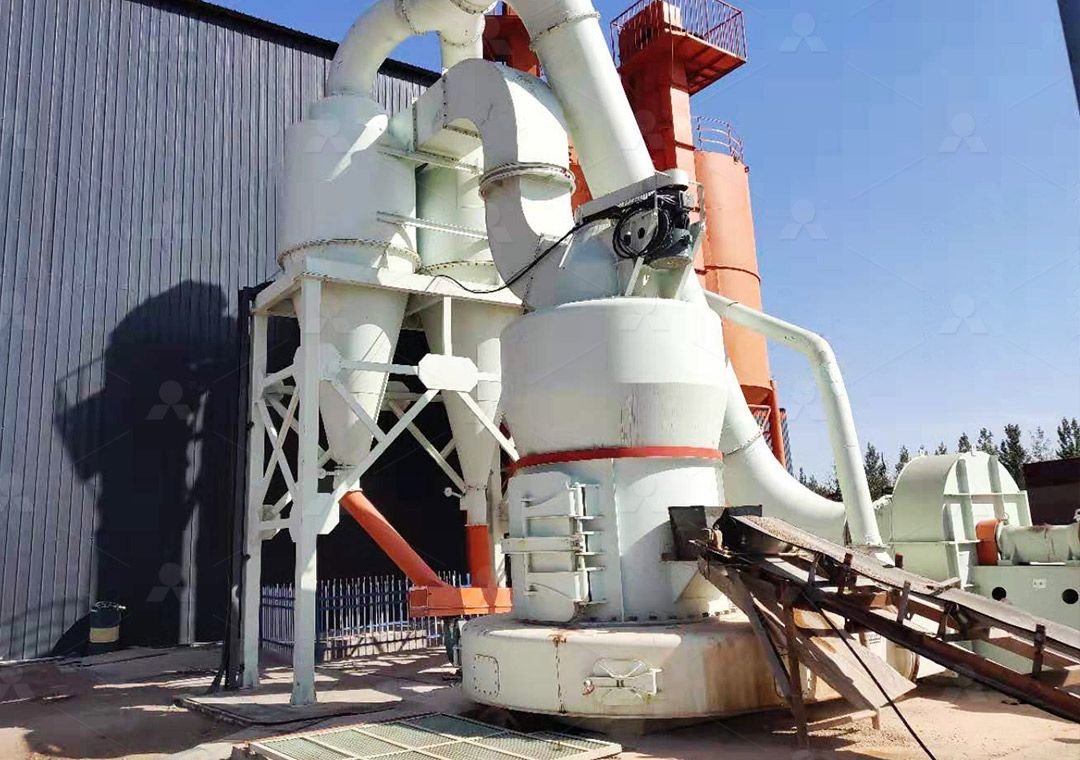
Consider an ultrafine grinding mill like the MW series if your product fineness requirement exceeds 325 mesh, you are processing abrasive materials that cause high ball mill wear, or your primary goal is to drastically reduce energy consumption per ton of product.