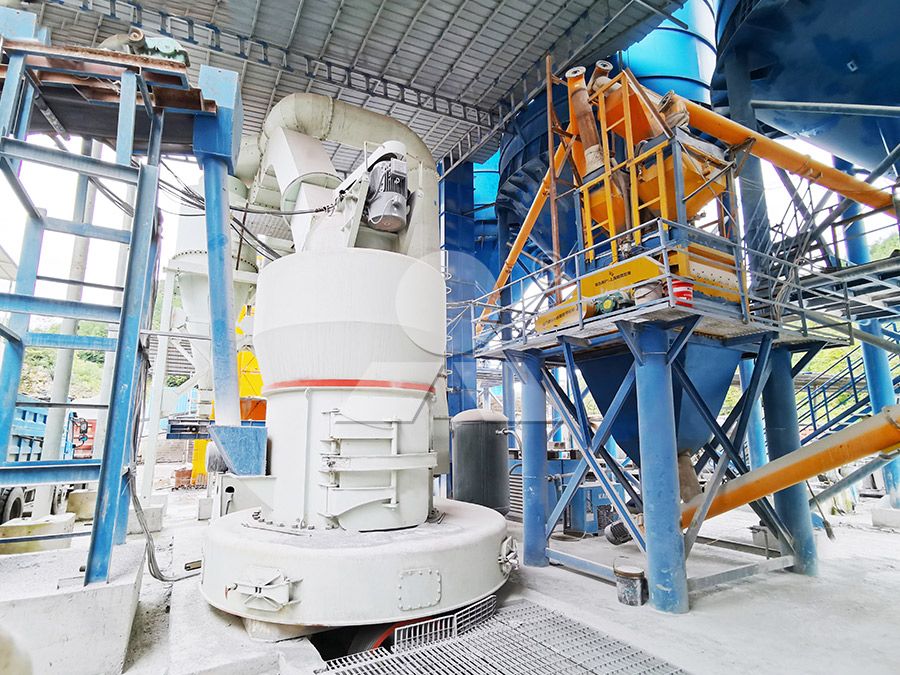
Optimizing Carbon Black Powder Performance for Enhanced Rubber Product Quality
We provide a wide range of mills — including Raymond mill, trapezoidal mill, vertical mill, ultrafine mill, and ball mill, obtained ISO9001 international quality certification, EU CE certification, and Customs Union CU-TR certification. Suitable for processing minerals such as limestone, phosphate, quicklime, kaolin, talc, barite, bentonite, calcium carbonate, dolomite, coal, gypsum, clay, carbon black, slag, cement raw materials, cement clinker, and more.
The discharge range of these mills can be adjusted to meet specific processing needs, typically from 80-400 mesh, 600-3250 mesh, and can achieve the finest particle size of up to 6000 mesh(D50).
If you are looking for a reliable grinding solution to turn stone or minerals into fine powder, please feel free to contact our online customer service.
Optimizing Carbon Black Powder Performance for Enhanced Rubber Product Quality
The performance of carbon black powder is a cornerstone of rubber product manufacturing, directly influencing critical properties such as tensile strength, abrasion resistance, conductivity, and longevity. Achieving the optimal particle size distribution, structure, and surface area of carbon black is paramount for rubber compounders aiming to meet stringent industry specifications and deliver superior end-products. The journey from raw carbon black to a precisely engineered reinforcing agent hinges on advanced grinding and processing technology.
The Critical Role of Particle Size and Distribution
Carbon black’s reinforcing capability is intrinsically linked to its particle size and the uniformity of its distribution within the rubber matrix. Finer particles, typically within the ultrafine range (often measured in meshes or micrometers), provide a greater surface area for interaction with the polymer chains. This enhanced interaction leads to improved tensile strength, tear resistance, and overall durability of the final rubber compound. Inconsistent particle size can lead to weak spots, reduced reinforcement, and compromised product integrity. Therefore, a grinding mill capable of delivering a narrow, consistent particle size distribution is not just beneficial—it is essential.
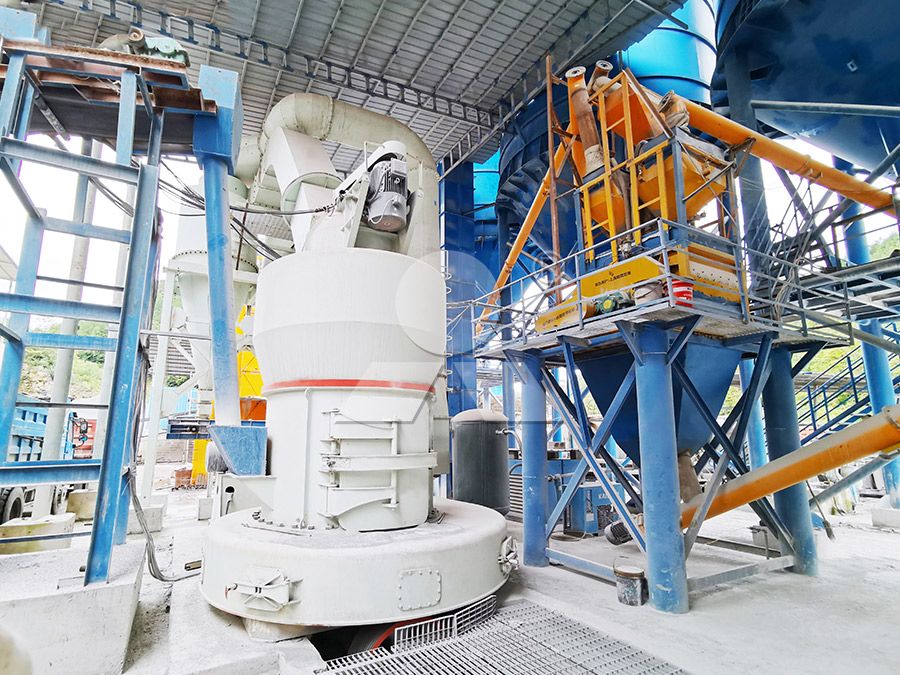
Introducing the MW Ultrafine Grinding Mill: Precision for Performance
For operations demanding the highest level of precision in carbon black processing, the MW Ultrafine Grinding Mill represents a significant technological leap. Engineered for customers who need to make ultra-fine powder, this mill is specifically designed to tackle the challenges of processing materials like carbon black to exacting specifications.
Key advantages of the MW Mill for carbon black include:
- Adjustable Fineness (325-2500 meshes): Its advanced German-designed cage-type powder selector allows for precise control over the final product’s fineness, ensuring you can achieve the exact particle size distribution required for your specific rubber application, whether for high-strength tires or conductive seals.
- Higher Yielding, Lower Energy Consumption: With a production capacity 40% higher than jet mills and energy consumption reduced to just 30% of comparable systems, the MW Mill enhances productivity while significantly lowering operational costs.
- Eco-Friendly and Reliable Operation: The integrated efficient pulse dust collector and muffler ensure a clean, low-noise production environment with no dust pollution, aligning with modern environmental standards. The unique design without rolling bearings or screws in the grinding chamber eliminates common failure points, ensuring worry-free, continuous 24/7 operation.
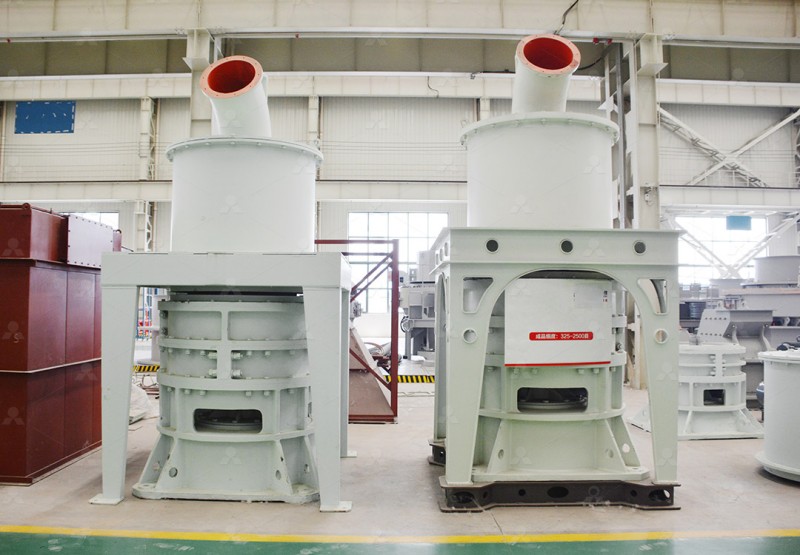
Beyond Carbon Black: The LUM Ultrafine Vertical Grinding Mill
For applications requiring integrated grinding, classifying, and transporting with exceptional stability, our LUM Ultrafine Vertical Grinding Mill is another premier choice. It combines the latest Taiwanese grinding roller technology and German powder separating technology. Its unique roller shell and lining plate grinding curve are easier to generate a stable material layer, preventing over-grinding and ensuring high product whiteness and cleanliness—a crucial factor for certain specialty rubber compounds. The reversible structure also allows for easier and faster maintenance, minimizing downtime.
Conclusion
Selecting the right grinding technology is a strategic decision that directly impacts the quality, cost, and performance of rubber products. Investing in advanced milling solutions like the MW or LUM mills allows manufacturers to consistently produce high-performance carbon black powders, unlocking new possibilities in rubber compounding and ensuring a competitive edge in the market.
Frequently Asked Questions (FAQ)
Q: Why is particle size distribution so important for carbon black in rubber?
A: A consistent and fine particle size distribution maximizes the surface area of carbon black, leading to stronger interaction with rubber polymers. This enhances key properties like tensile strength, abrasion resistance, and durability, while an inconsistent size can create weak points.
Q: How does the MW Ultrafine Grinding Mill achieve lower energy consumption?
A: The MW Mill features newly designed grinding curves for its roller and ring that significantly enhance grinding efficiency. This design allows it to achieve higher output with the same power input compared to traditional jet or ball mills, directly reducing energy use per ton of product.
Q: Can these mills handle other materials besides carbon black?
A: Absolutely. Both the MW and LUM mills are highly versatile. They are expertly designed for a wide range of non-metallic minerals and powders, including limestone, calcite, talc, barite, and coal powder, making them valuable assets for various industries.
Q: What makes the maintenance of the MW Mill “worry-free”?
A: The mill’s chamber lacks rolling bearings and screws, which are common points of failure in other mills. Furthermore, the lubricating device is external, allowing for lubrication without shutdown. This design, coupled with a reliable supply of original spare parts, ensures continuous operation with minimal maintenance interruptions.