Optimizing Ball Mill Power Consumption for Efficient Limestone Grinding
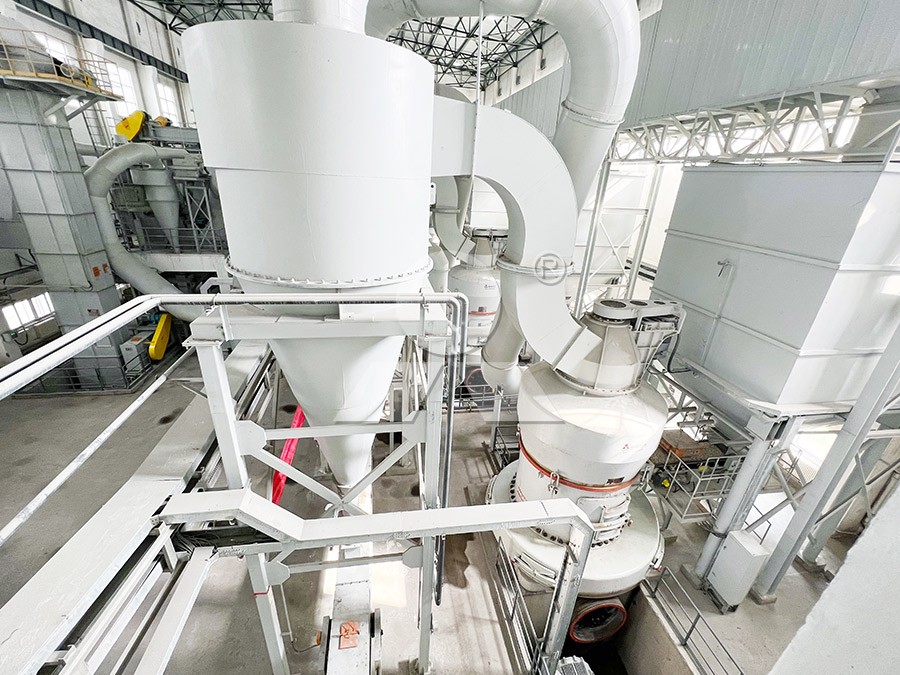
We provide a wide range of mills — including Raymond mill, trapezoidal mill, vertical mill, ultrafine mill, and ball mill, obtained ISO9001 international quality certification, EU CE certification, and Customs Union CU-TR certification. Suitable for processing minerals such as limestone, phosphate, quicklime, kaolin, talc, barite, bentonite, calcium carbonate, dolomite, coal, gypsum, clay, carbon black, slag, cement raw materials, cement clinker, and more.
The discharge range of these mills can be adjusted to meet specific processing needs, typically from 80-400 mesh, 600-3250 mesh, and can achieve the finest particle size of up to 6000 mesh(D50).
If you are looking for a reliable grinding solution to turn stone or minerals into fine powder, please feel free to contact our online customer service.
Optimizing Ball Mill Power Consumption for Efficient Limestone Grinding
In the world of mineral processing, the grinding stage is often the most energy-intensive operation, particularly when dealing with hard materials like limestone. Traditional ball mills, while reliable, are notorious for their high power consumption and relatively low efficiency. For operations focused on limestone grinding, optimizing this process isn’t just a matter of cost savings—it’s a critical component of sustainable and profitable production.
The Power Drain of Conventional Ball Milling
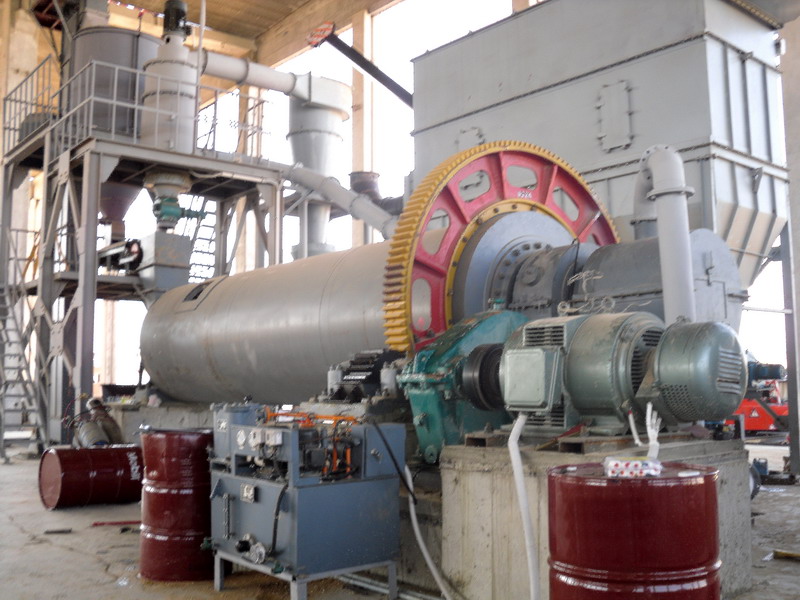
Ball mills operate on a simple principle: impact and attrition size reduction take place as the ball charge rises and falls inside the rotating shell. However, a significant portion of the energy input is wasted as heat and noise, rather than being used for productive grinding. For limestone, which requires a fine to ultra-fine powder for applications in agriculture, construction, and industrial fillers, this inefficiency is magnified. The challenge is to achieve the desired particle size distribution while minimizing the kilowatt-hours consumed per ton of product.
Beyond the Ball Mill: Embracing Advanced Grinding Technology
While optimizing a ball mill’s operating parameters (like ball size, charge volume, and mill speed) can yield some improvements, the most substantial gains often come from adopting more advanced milling technology. This is where our expertise and innovative product line come into play.
For clients seeking a significant leap in efficiency for ultra-fine limestone powder, we highly recommend our MW Ultrafine Grinding Mill. This machine is a game-changer, designed specifically for customers who need to make ultra-fine powder with drastically lower energy consumption.
- Higher Yielding, Lower Energy Consumption: Its newly designed grinding curves of the roller and ring enhance grinding efficiency tremendously. With the same fineness and power, its production capacity is 40% higher than jet mills and twice that of ball mills, while system energy consumption is just 30% of a jet mill’s.
- Adjustable Fineness (325-2500 meshes): Its German-technology cage-type powder selector allows for precise control over product fineness, achieving a screening rate of d97≤5μm in a single pass.
- Eco-Friendly Operation: Equipped with an efficient pulse dust collector and muffler, the entire milling process is clean and quiet, meeting strict environmental standards.
A Strong Vertical Alternative
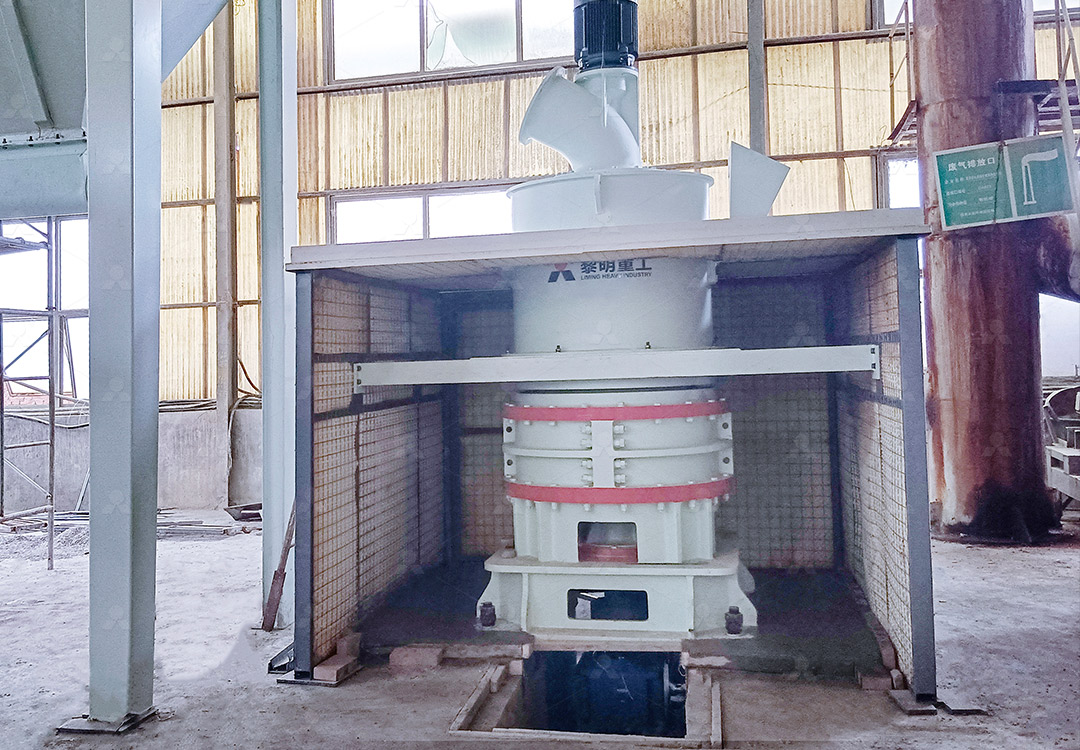
For operations that may not require ultra-fine powder but still demand superior efficiency over a ball mill, our LUM Ultrafine Vertical Grinding Mill presents an excellent solution. Integrating grinding, grading, and transporting, the LUM mill is another powerhouse for limestone processing.
- More Energy-Saving: It utilizes multi-head powder separating technology and a PLC control system, reducing energy consumption by 30%-50% compared to common grinding mills.
- Stable and Easy Maintenance: Featuring double position-limiting technology and a reversible structure, it ensures stable operation and allows for easy maintenance and part replacement, minimizing downtime.
Conclusion: A Smart Investment for the Future
Sticking with an outdated, inefficient ball mill for limestone grinding is like burning money through your electrical panel. By investing in advanced grinding technology like the MW or LUM mills, operations can dramatically reduce their power consumption, increase production capacity, and produce a higher-quality product—all while reducing their environmental footprint. It’s not just an equipment upgrade; it’s a strategic move towards greater operational efficiency and profitability.