
Optimizing Ball Mill Performance for Efficient Iron Ore Grinding and Power Consumption
We provide a wide range of mills — including Raymond mill, trapezoidal mill, vertical mill, ultrafine mill, and ball mill, obtained ISO9001 international quality certification, EU CE certification, and Customs Union CU-TR certification. Suitable for processing minerals such as limestone, phosphate, quicklime, kaolin, talc, barite, bentonite, calcium carbonate, dolomite, coal, gypsum, clay, carbon black, slag, cement raw materials, cement clinker, and more.
The discharge range of these mills can be adjusted to meet specific processing needs, typically from 80-400 mesh, 600-3250 mesh, and can achieve the finest particle size of up to 6000 mesh(D50).
If you are looking for a reliable grinding solution to turn stone or minerals into fine powder, please feel free to contact our online customer service.
Introduction
Iron ore grinding is a critical process in mineral processing, directly impacting downstream operations like pelletizing and beneficiation. Traditional ball mills, while widely used, often suffer from high energy consumption and inconsistent particle size distribution. This article explores strategies to optimize ball mill performance, focusing on efficiency and power savings, while introducing advanced alternatives like our MW Ultrafine Grinding Mill.
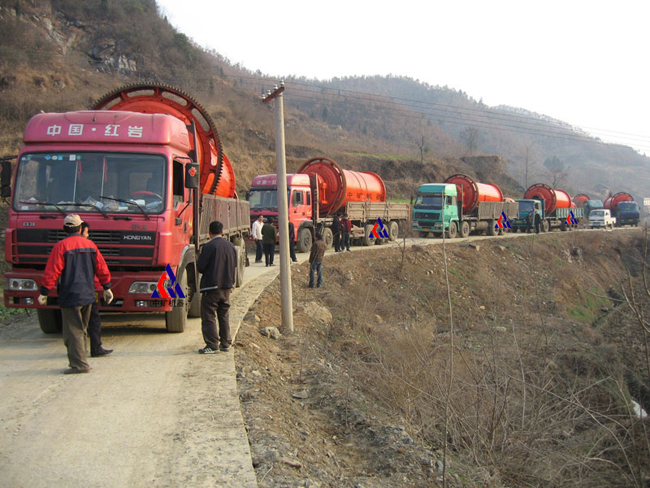
Challenges in Iron Ore Grinding
Ball mills face several challenges when processing iron ore:
- High energy consumption: Up to 50% of a plant’s energy usage may be attributed to grinding.
- Overgrinding: Excessive milling leads to slimes generation and iron losses.
- Wear and tear: Abrasive iron ore accelerates liner and grinding media wear.
- Noise and dust pollution: Traditional systems often lack effective containment.
Optimization Strategies
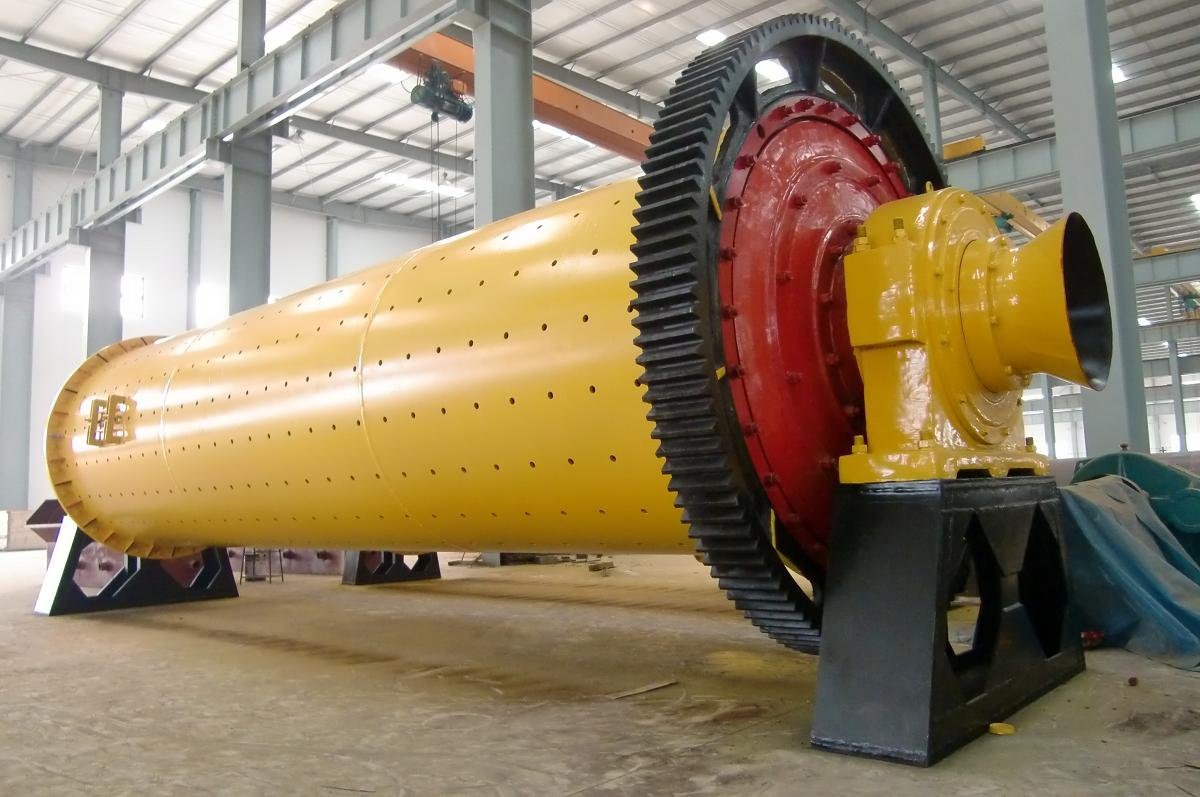
1. Process Parameter Adjustment
Key parameters significantly affect grinding efficiency:
| Parameter | Optimal Range | Effect |
|---|---|---|
| Mill speed | 65-75% critical speed | Balances impact and attrition |
| Ball charge | 30-40% of mill volume | Optimizes grinding media action |
| Feed size | <25mm | Reduces grinding time |
2. Advanced Liner Designs
Modern liner materials and profiles can:
- Extend service life by 30-50%
- Improve grinding efficiency through better lifters
- Reduce maintenance downtime
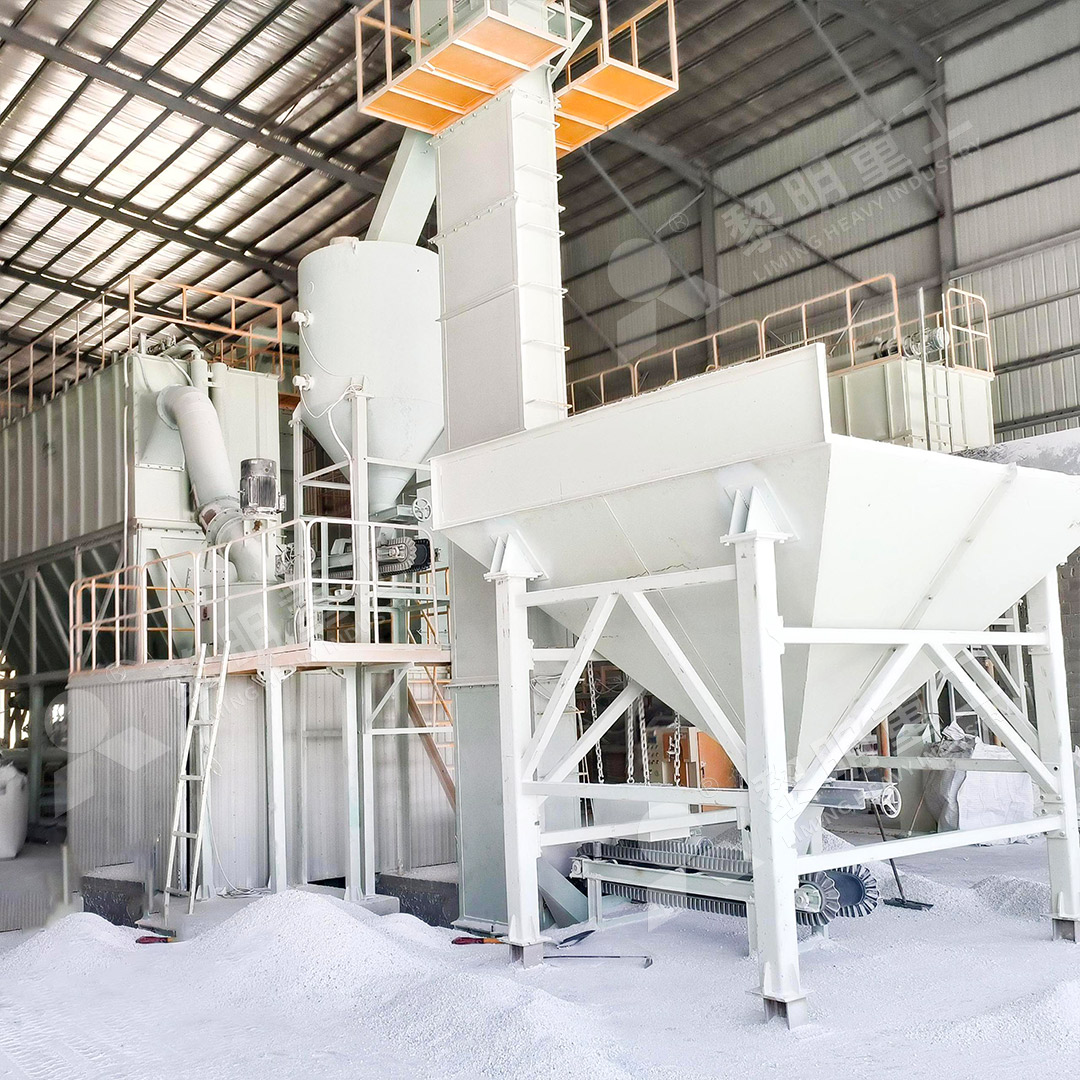
Revolutionary Alternative: MW Ultrafine Grinding Mill
For operations requiring finer grinding or seeking to reduce energy costs, our MW Ultrafine Grinding Mill presents a superior solution:
- 40% higher capacity than traditional ball mills at same power input
- Adjustable fineness between 325-2500 meshes
- 30% energy savings compared to conventional systems
- Eco-friendly operation with integrated dust collection
Case Study: Iron Ore Concentrator Upgrade
A Brazilian iron ore plant replaced two ball mills with a single MW Ultrafine Grinding Mill, achieving:
- 45% reduction in specific energy consumption
- 28% increase in throughput
- More consistent product fineness (d97 ≤ 45μm)
- Lower maintenance costs due to no rolling bearings in grinding chamber
Conclusion
While traditional ball mills remain workhorses in iron ore processing, optimizing their operation and considering advanced alternatives like our MW Ultrafine Grinding Mill can significantly improve efficiency and reduce costs. The MW series particularly excels in applications requiring fine grinding with its unique combination of high yield, low energy consumption, and environmental benefits.