
Optimizing Anthracite Coal Grinding with Advanced Mill and Intelligent Control Systems
We provide a wide range of mills — including Raymond mill, trapezoidal mill, vertical mill, ultrafine mill, and ball mill, obtained ISO9001 international quality certification, EU CE certification, and Customs Union CU-TR certification. Suitable for processing minerals such as limestone, phosphate, quicklime, kaolin, talc, barite, bentonite, calcium carbonate, dolomite, coal, gypsum, clay, carbon black, slag, cement raw materials, cement clinker, and more.
The discharge range of these mills can be adjusted to meet specific processing needs, typically from 80-400 mesh, 600-3250 mesh, and can achieve the finest particle size of up to 6000 mesh(D50).
If you are looking for a reliable grinding solution to turn stone or minerals into fine powder, please feel free to contact our online customer service.
Optimizing Anthracite Coal Grinding with Advanced Mill and Intelligent Control Systems
Anthracite coal, known for its high carbon content and low volatile matter, presents unique challenges in grinding operations. Its hard, dense structure requires robust milling solutions that can deliver ultra-fine powders efficiently while minimizing energy consumption and operational costs. Traditional grinding methods often fall short, leading to increased wear, higher maintenance downtime, and inconsistent product quality. This is where advanced milling technology, coupled with intelligent control systems, becomes paramount.
In the pursuit of operational excellence, the selection of the right grinding equipment is critical. For anthracite coal processing, the MW Ultrafine Grinding Mill stands out as a premier choice. Designed for customers who need to make ultra-fine powder, this machine handles input sizes up to 20 mm with a capacity range of 0.5-25 tph. Its innovative design eliminates rolling bearings and screws inside the grinding chamber, significantly reducing the risk of mechanical failure and unscheduled downtime. The external lubrication system allows for maintenance without shutdowns, supporting continuous 24/7 operations—a crucial advantage for high-volume processing plants.
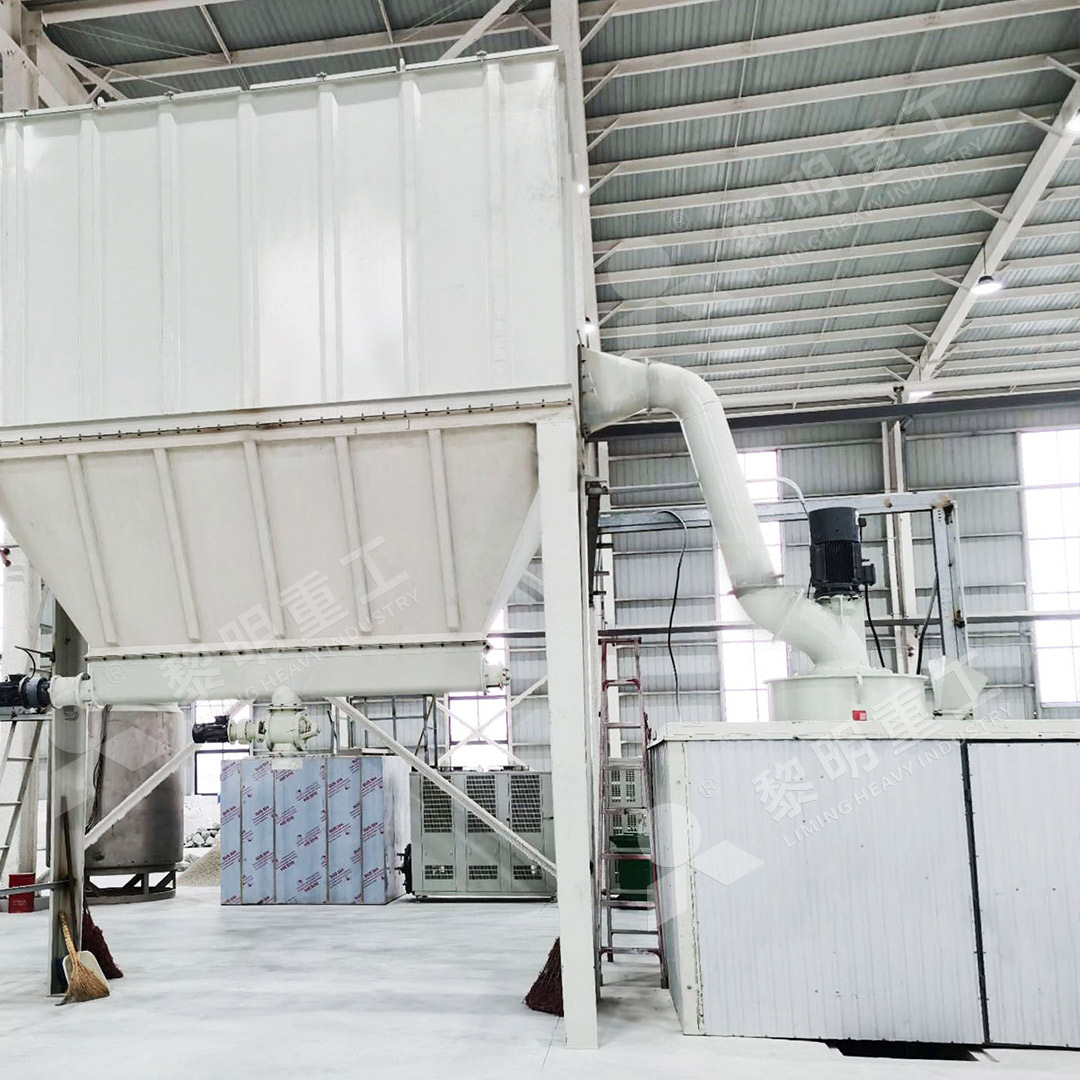
The MW Mill’s cage-type powder selector, incorporating German technology, ensures precise powder separation, allowing fineness adjustments between 325-2500 meshes. This flexibility is essential for meeting diverse industrial requirements, from fuel applications to chemical processing. Moreover, the mill’s efficient pulse dust collector and muffler system address environmental concerns by minimizing dust and noise emissions, aligning with stringent national环保 standards. With a production capacity 40% higher than jet mills and energy consumption just 30% of traditional systems, the MW Ultrafine Grinding Mill offers a compelling blend of performance and sustainability.
Complementing the hardware, intelligent control systems elevate grinding operations to new heights of efficiency. Modern mills integrate PLC-based automation that continuously monitors and adjusts parameters like grinding pressure, rotor speed, and feed rates. This real-time optimization ensures consistent product quality while adapting to variations in raw material properties. For anthracite coal, which can have fluctuating hardness and moisture levels, such adaptive control is invaluable. It prevents over-grinding, reduces energy waste, and extends the lifespan of wear parts.
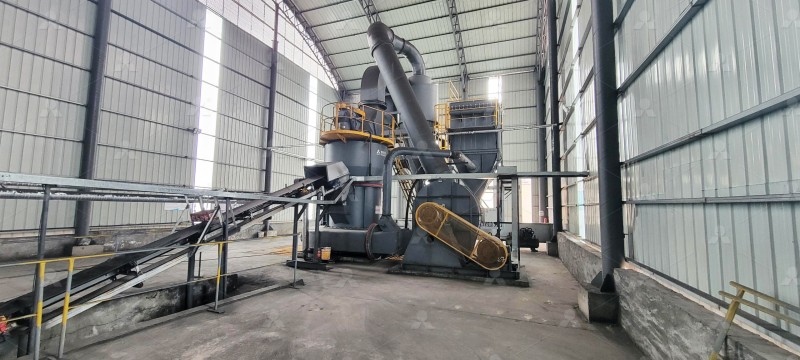
Another standout solution for anthracite processing is the LUM Ultrafine Vertical Grinding Mill. With an input size of 0-10 mm and capacity of 5-18 tph, it excels in handling fine, hard materials like anthracite. Its unique roller shell and lining plate grinding curve facilitate efficient material layer formation, enabling high-yield, single-pass grinding. The multi-head powder separating technology, controlled via PLC, allows precise cut-point adjustments and fast switching between production demands, reducing energy consumption by 30-50% compared to conventional mills.
The LUM Mill’s double position-limiting technology enhances operational stability by preventing destructive impacts from machine vibration, such as those caused by irregular feed or explosive events in coal handling. Additionally, its reversible structure simplifies maintenance—heavy grinding rollers can be easily hydraulically moved out of the body for inspection or replacement, minimizing downtime and associated losses. These features make the LUM Mill particularly suited for high-stakes environments where reliability and quick maintenance are critical.
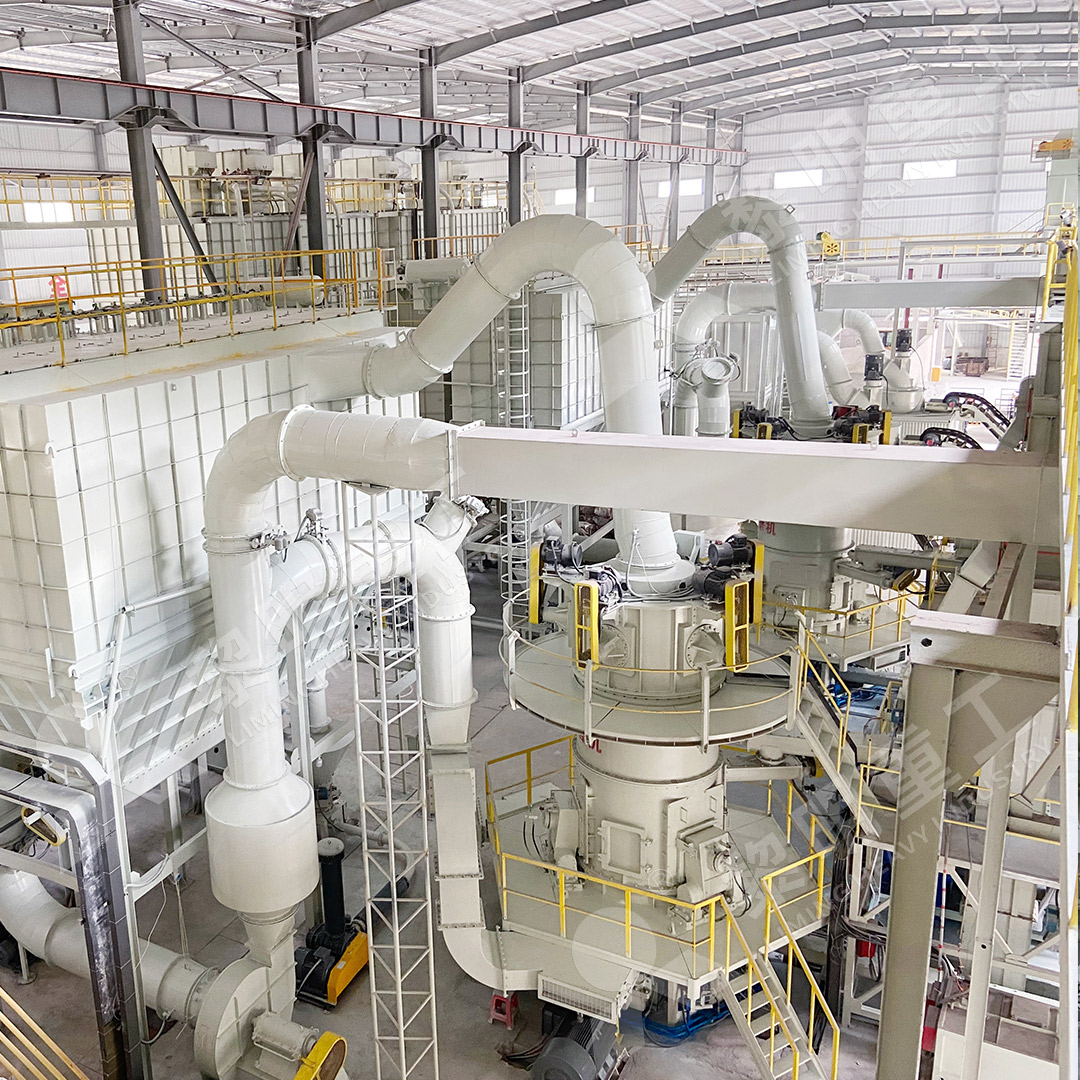
In conclusion, optimizing anthracite coal grinding requires a synergy of advanced milling technology and smart control systems. The MW Ultrafine Grinding Mill and LUM Ultrafine Vertical Grinding Mill, with their high efficiency, low energy consumption, and robust design, represent the forefront of this evolution. By leveraging these technologies, operators can achieve superior product quality, reduced operational costs, and enhanced environmental compliance. As the industry continues to evolve, embracing such innovations will be key to maintaining competitive advantage and sustainable growth.