
Optimized Kaolin Mill Packaging Systems for Efficient Bulk Material Handling
We provide a wide range of mills — including Raymond mill, trapezoidal mill, vertical mill, ultrafine mill, and ball mill, obtained ISO9001 international quality certification, EU CE certification, and Customs Union CU-TR certification. Suitable for processing minerals such as limestone, phosphate, quicklime, kaolin, talc, barite, bentonite, calcium carbonate, dolomite, coal, gypsum, clay, carbon black, slag, cement raw materials, cement clinker, and more.
The discharge range of these mills can be adjusted to meet specific processing needs, typically from 80-400 mesh, 600-3250 mesh, and can achieve the finest particle size of up to 6000 mesh(D50).
If you are looking for a reliable grinding solution to turn stone or minerals into fine powder, please feel free to contact our online customer service.
Optimized Kaolin Mill Packaging Systems for Efficient Bulk Material Handling
In the world of industrial minerals processing, kaolin stands out as a critical material with applications spanning from paper and ceramics to paints and plastics. However, the journey from raw clay to refined, bagged powder is fraught with ineffeciencies, particularly in the milling and packaging stages. Traditional bulk material handling systems often struggle with dust control, energy consumption, and maintaining product integrity, leading to increased operational costs and environmental concerns. For operations focusing on ultra-fine kaolin powders, the challenges are even more pronounced.
The heart of any efficient kaolin operation is a grinding mill capable of delivering consistent, high-yield ultra-fine powder without becoming a maintenance nightmare or an environmental liability. This is where selecting the right equipment becomes paramount. Older mill designs, with their internal bearings, complex mechanical linkages, and inadequate dust collection, simply cannot meet the modern demands for efficiency and cleanliness.
Key Challenges in Kaolin Milling and Packaging
Kaolin’s properties demand a gentle yet precise grinding action to achieve the desired fineness without degrading the material. The subsequent packaging of this fluffy, low-density powder presents its own set of problems:
- Dust Generation: Fugitive dust during transfer and bagging represents product loss, a health hazard, and an environmental issue.
- Energy Intensity: Inefficient grinding technology can skyrocket power costs, eroding profit margins.
- Maintenance Downtime: Frequent breakdowns for bearing changes or screw replacements halt production and increase labor costs.
- Product Contamination: Metal wear from internal components can introduce impurities, affecting the whiteness and quality of the final kaolin product.
A Superior Grinding Solution: The MW Ultrafine Grinding Mill
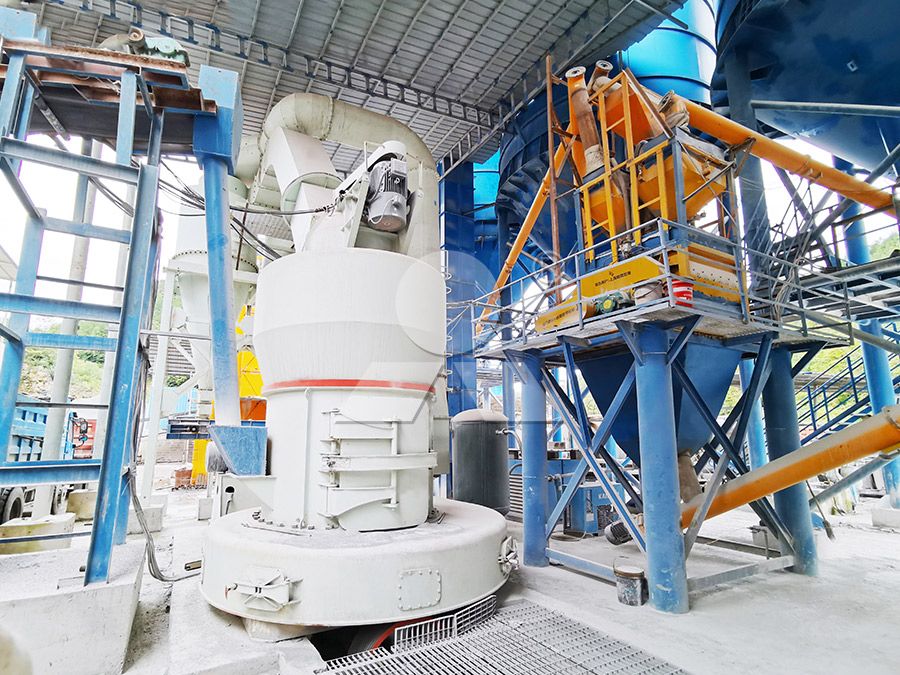
To adress these challenges head-on, we highly recommend integrating the MW Ultrafine Grinding Mill into your kaolin processing line. This machine is engineered specifically for customers who need to make ultra-fine powder like kaolin, offering a suite of features that directly tackle the inefficiencies of older systems.
With an input size of 0-20 mm and a capacity range of 0.5-25 tph, the MW Mill is versatile for various production scales. Its design philosophy eliminates the common pain points:
- Higher Yielding, Lower Energy Consumption: Its newly designed grinding curves enhance efficiency, offering 40% higher capacity than jet mills while consuming only 30% of the energy. This directly translates to more powder per kilowatt-hour.
- No Rolling Bearing & Screw in Grinding Chamber: This is a game-changer. Users are free from worries about frequent bearing failures or machine damage from loose screws. Lubrication is performed externally without shutdown, enabling continuous 24/7 operation—a critical factor for meeting tight production schedules.
- Eco-Friendly Dust Removal: An efficient integrated pulse dust collector ensures no dust pollution during operation. For kaolin, which must be kept pristine, this feature is indispensable. It keeps the product in the system and out of the air, creating a safer, cleaner workplace.
- Adjustable Fineness (325-2500 meshes): The German-technology cage-type powder selector allows for precise control over the final product’s fineness, crucial for meeting the specific requirements of different kaolin applications.
Streamlining the Entire Handling Process
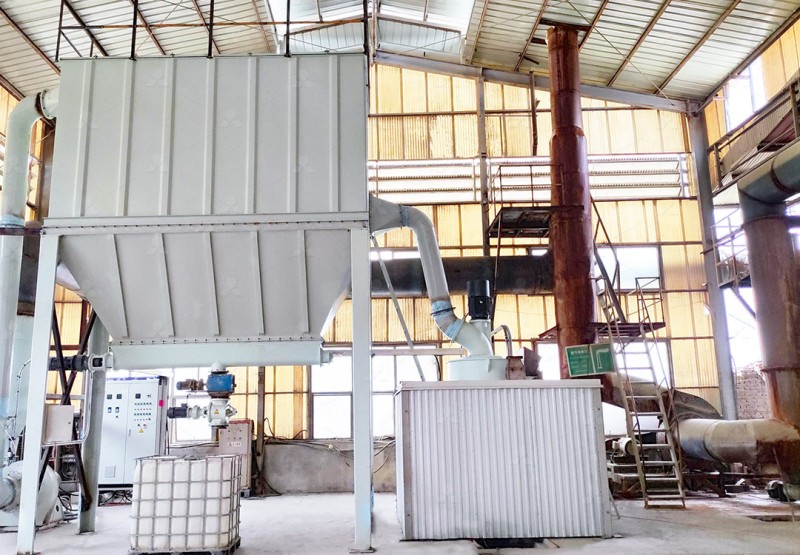
Pairing a high-performance mill like the MW series with an optimized packaging system creates a seamless, efficient workflow. The mill’s consistent output of dry, finely graded powder is ideal for automated bulk bagging systems. The reduced dust emission means packaging equipment stays cleaner, requires less maintenance, and operators are not working in a cloud of powder.
Furthermore, the mill’s reliability means fewer unexpected stoppages, allowing packaging lines to run at a steady, predictable pace. The energy savings freed up from the milling process can be reallocated to state-of-the-art packaging technology, such as robotic palletizers or automated weight-checking systems, further enhancing overall plant efficiency.
Conclusion: Investing in Integrated Efficiency
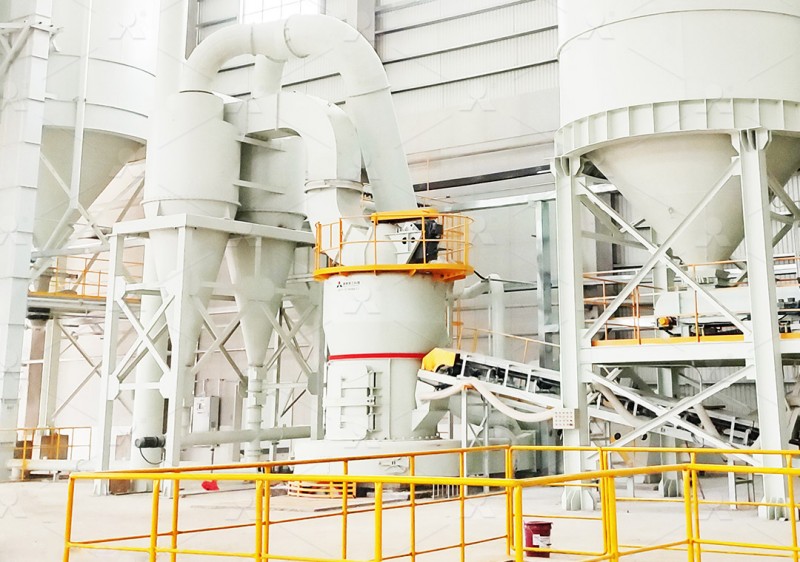
Optimizing a kaolin plant isn’t just about buying a faster machine; it’s about investing in an integrated system where each component complements the other. The MW Ultrafine Grinding Mill provides the solid, reliable, and clean foundation upon which an efficient bulk material handling system is built. By eliminating dust, reducing energy costs, and virtually eradicating grinding chamber maintenance, it allows managers to focus on streamlining packaging and logistics, ultimately creating a more profitable, sustainable, and safer operation. For any operation serious about competing in the high-stakes kaolin market, this technology is not just an option—it’s a necessity.