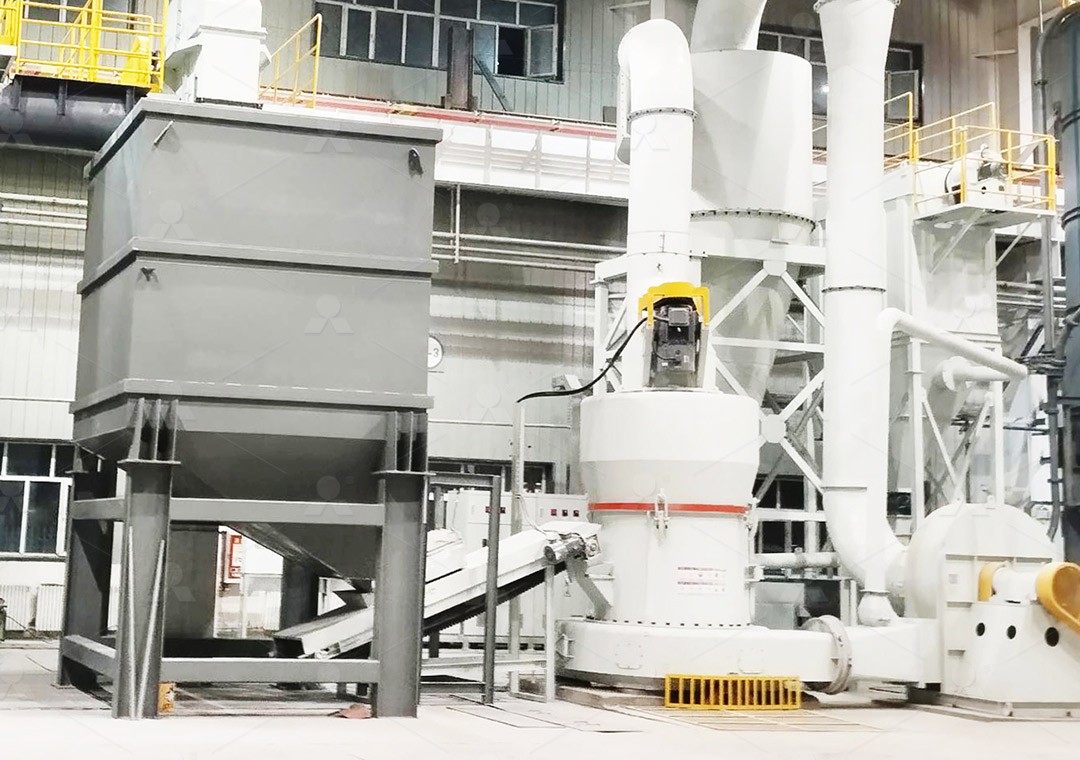
Optimized Dimensions for 150 TPH Hydrated Lime Hammer Mills
We provide a wide range of mills — including Raymond mill, trapezoidal mill, vertical mill, ultrafine mill, and ball mill, obtained ISO9001 international quality certification, EU CE certification, and Customs Union CU-TR certification. Suitable for processing minerals such as limestone, phosphate, quicklime, kaolin, talc, barite, bentonite, calcium carbonate, dolomite, coal, gypsum, clay, carbon black, slag, cement raw materials, cement clinker, and more.
The discharge range of these mills can be adjusted to meet specific processing needs, typically from 80-400 mesh, 600-3250 mesh, and can achieve the finest particle size of up to 6000 mesh(D50).
If you are looking for a reliable grinding solution to turn stone or minerals into fine powder, please feel free to contact our online customer service.
Optimized Dimensions for 150 TPH Hydrated Lime Hammer Mills
In the mineral processing industry, achieving a consistent throughput of 150 tons per hour (TPH) for hydrated lime production presents significant engineering challenges, particularly in hammer mill design and selection. The key to success lies not just in raw power, but in the optimized dimensions and integration of the entire grinding circuit to maximize efficiency, minimize wear, and ensure product quality.
The 150 TPH Challenge: Balancing Power and Precision
Hammer mills for hydrated lime must pulverize the material to a fine, consistent powder while handling its abrasive and sometimes moist nature. For a 150 TPH capacity, the mill’s internal dimensions—the grinding chamber size, hammer tip speed, and screen area—are critical. An undersized mill will be overworked, leading to excessive wear, high energy consumption, and premature failure. An oversized mill represents an unnecessary capital expenditure and operational inefficiency.
Optimal hammer tip speed for lime is typically between 65-85 m/s. Achieving this at 150 TPH requires a large-diameter rotor and a precisely calculated number of hammers to ensure each particle receives sufficient impact energy without creating excessive heat, which can degrade the hydrated lime. The grinding chamber must be voluminous enough to allow for proper air flow and material classification, preventing recirculation of already-sized product which wastes energy.
Beyond the Hammer Mill: The Importance of an Integrated System
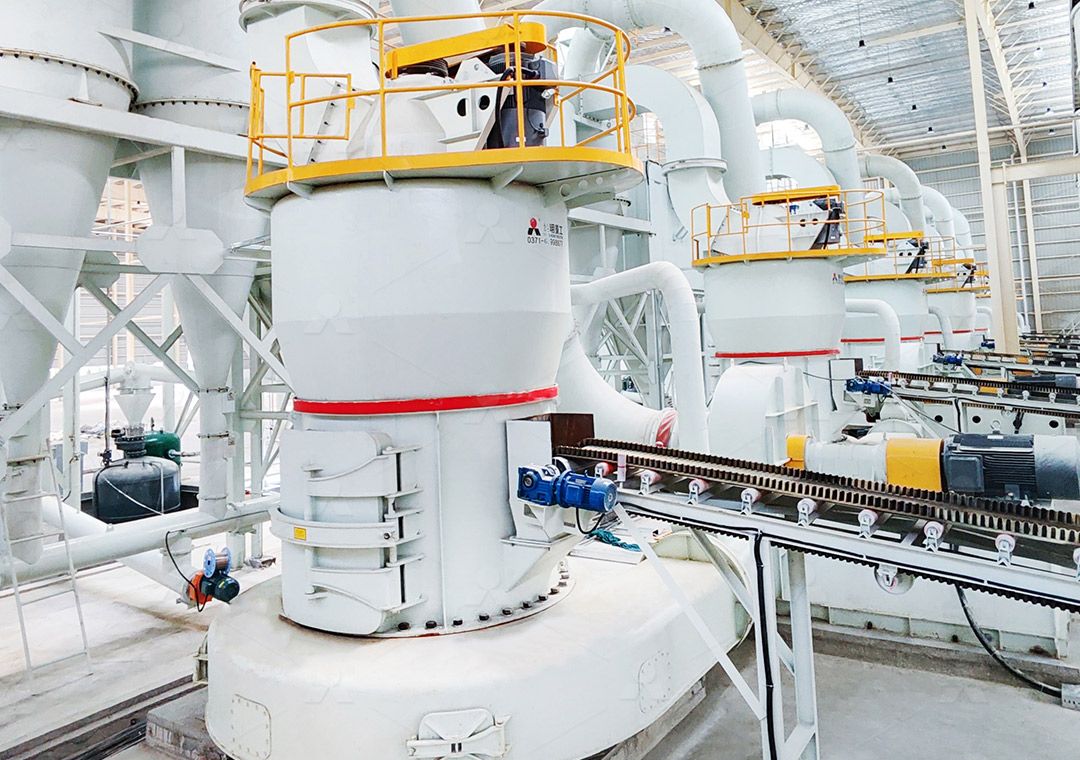
A hammer mill rarely operates in isolation. For a 150 TPH system, the entire process—from feed sizing to product collection—must be harmonized. This is where the choice of supporting equipment becomes paramount. A primary consideration is the inclusion of a highly efficient, ultra-fine grinding mill for final product polishing or for handling a side stream of the process to achieve stricter fineness requirements.
For operations demanding superior product quality with precise particle size distribution, we highly recommend integrating our MW Ultrafine Grinding Mill. This mill is engineered for customers who need to make ultra-fine powder and is an excellent complement to a primary hammer mill circuit. With an adjustable fineness between 325-2500 meshes and a capacity range that supports high-tonnage operations, it ensures the final product meets the most stringent specifications. Its higher yielding and lower energy consumption—up to 40% higher capacity than jet mills—make it a cost-effective solution for finishing hydrated lime, enhancing its reactivity and market value.
Case for Vertical Grinding Technology
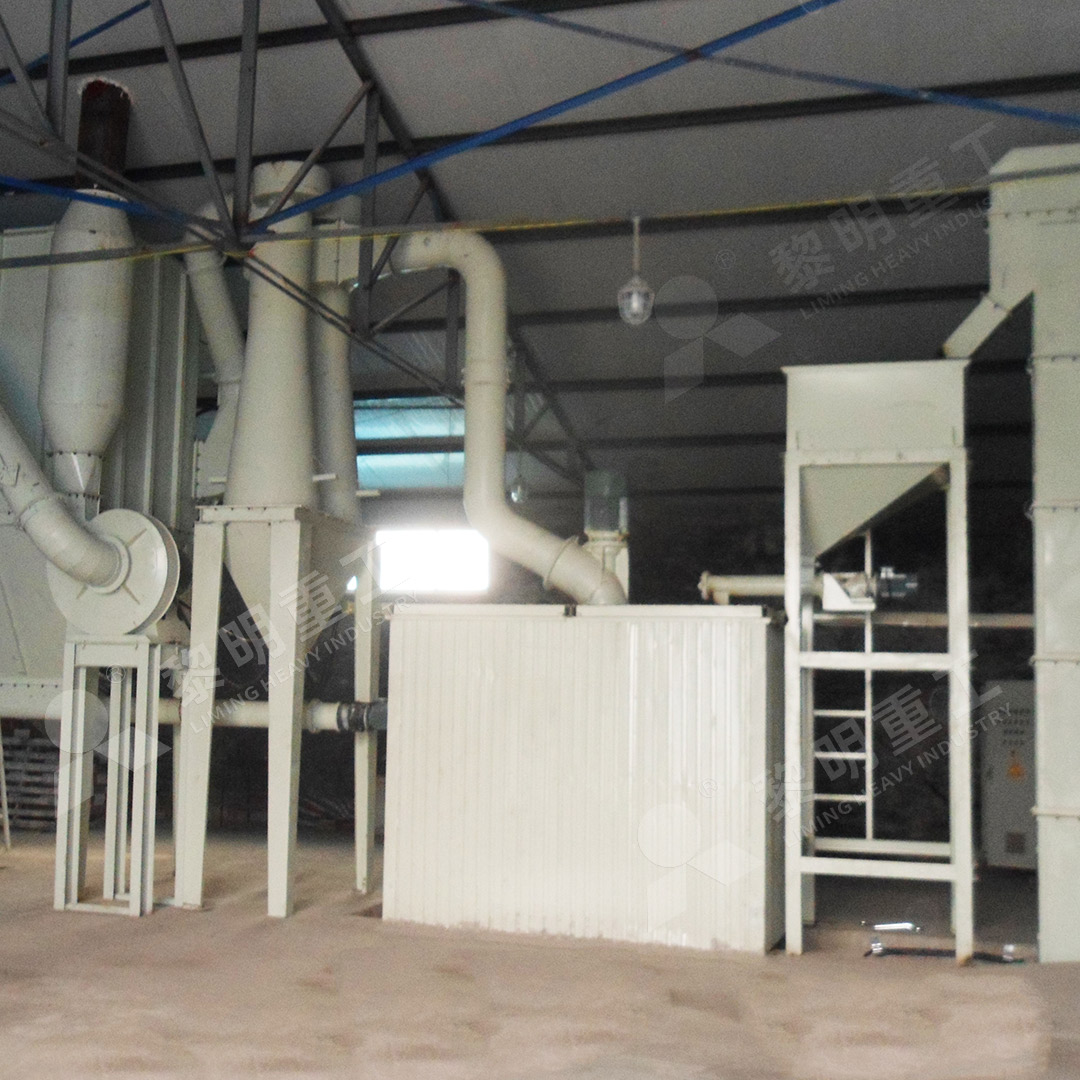
In some flow sheets, a vertical grinding mill can serve as the primary grinder, offering distinct advantages for lime. For a robust 150 TPH application, our LM Vertical Grinding Mill is a formidable contender. It integrates crushing, drying, grinding, classifying, and conveying into a single unit, significantly reducing the plant’s footprint and complexity.
Its occupational area is about 50% of a ball mill system, and it saves 30%-40% in energy consumption. The material’s short linger time in the grinding chamber reduces repeated grinding and results in a product with lower iron content, which is crucial for maintaining the whiteness of hydrated lime. The LM mill’s stability, low vibration, and expert-level automatic control system make it ideal for continuous, high-capacity production runs with minimal operator intervention.
Conclusion: A Synergistic Approach
Reaching an optimized 150 TPH hydrated lime production line is not about finding one perfect machine, but about designing a system where each component is perfectly sized and matched. Whether using a large-scale hammer mill as the workhorse supported by an MW Ultrafine Grinding Mill for product refinement, or employing an LM Vertical Grinding Mill for a more integrated approach, the dimensions and capabilities of each unit must be carefully calculated. Partnering with an equipment provider that offers a full range of grinding solutions and the engineering expertise to size them correctly is the most critical step toward achieving efficient, reliable, and profitable production.