
Optimize Your Production: Cement Grinding Mill with 2500t Capacity
We provide a wide range of mills — including Raymond mill, trapezoidal mill, vertical mill, ultrafine mill, and ball mill, obtained ISO9001 international quality certification, EU CE certification, and Customs Union CU-TR certification. Suitable for processing minerals such as limestone, phosphate, quicklime, kaolin, talc, barite, bentonite, calcium carbonate, dolomite, coal, gypsum, clay, carbon black, slag, cement raw materials, cement clinker, and more.
The discharge range of these mills can be adjusted to meet specific processing needs, typically from 80-400 mesh, 600-3250 mesh, and can achieve the finest particle size of up to 6000 mesh(D50).
If you are looking for a reliable grinding solution to turn stone or minerals into fine powder, please feel free to contact our online customer service.
Optimize Your Production: Cement Grinding Mill with 2500t Capacity
In the demanding world of cement production, achieving a consistent 2500-ton daily output requires more than just raw power; it demands precision engineering, operational efficiency, and equipment reliability. Selecting the right grinding mill is the cornerstone of this endeavor, directly impacting your bottom line through energy consumption, maintenance downtime, and final product quality.
Modern grinding technology has moved far beyond traditional ball mills, embracing designs that offer integrated drying, grinding, classifying, and conveying in a single, compact unit. This holistic approach not only slashes energy costs by 30-40% but also significantly reduces the plant’s physical footprint, allowing for more flexible facility layout and lower construction costs.
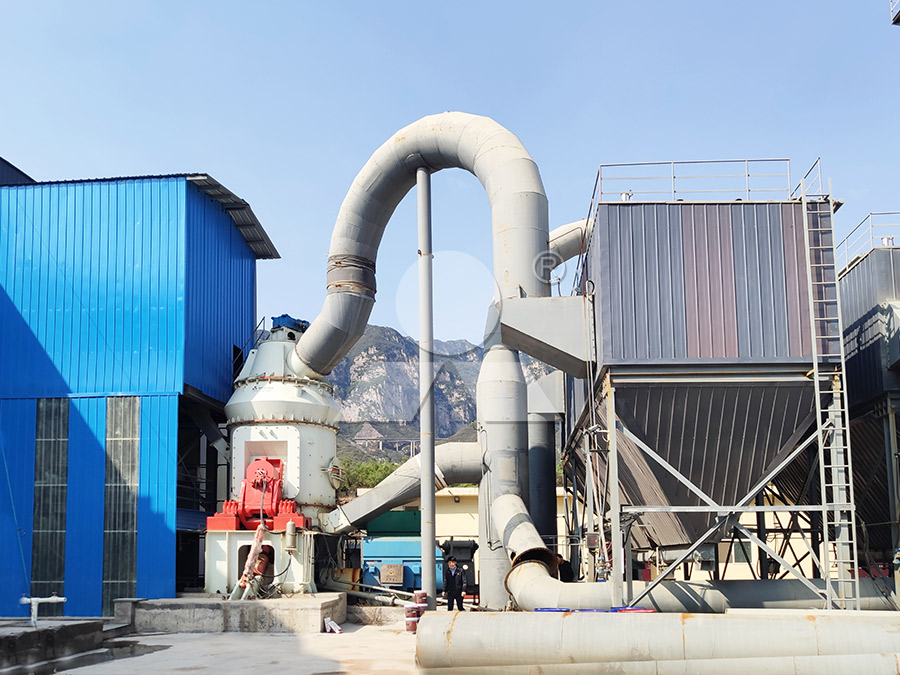
Key Considerations for High-Capacity Grinding
When targeting a 2500t capacity, several factors become paramount. The mill must handle a coarse feed size efficiently, possess robust drying capabilities for raw materials with moisture, and guarantee a narrow particle size distribution for superior cement quality. Furthermore, operational stability, minimal vibration, and ease of maintenance are non-negotiable for continuous, round-the-clock production.
This is where innovative mill designs truly shine. For instance, mills featuring external lubrication systems allow for maintenance without shutdowns, while advanced powder separators enable precise fineness control, ensuring every batch meets specification. The elimination of direct contact between grinding rollers and the millstone liner, a feature in some advanced designs, drastically reduces iron contamination, preserving the final product’s whiteness and purity—a critical factor in cement quality.
Recommended Solution: LM Vertical Grinding Mill
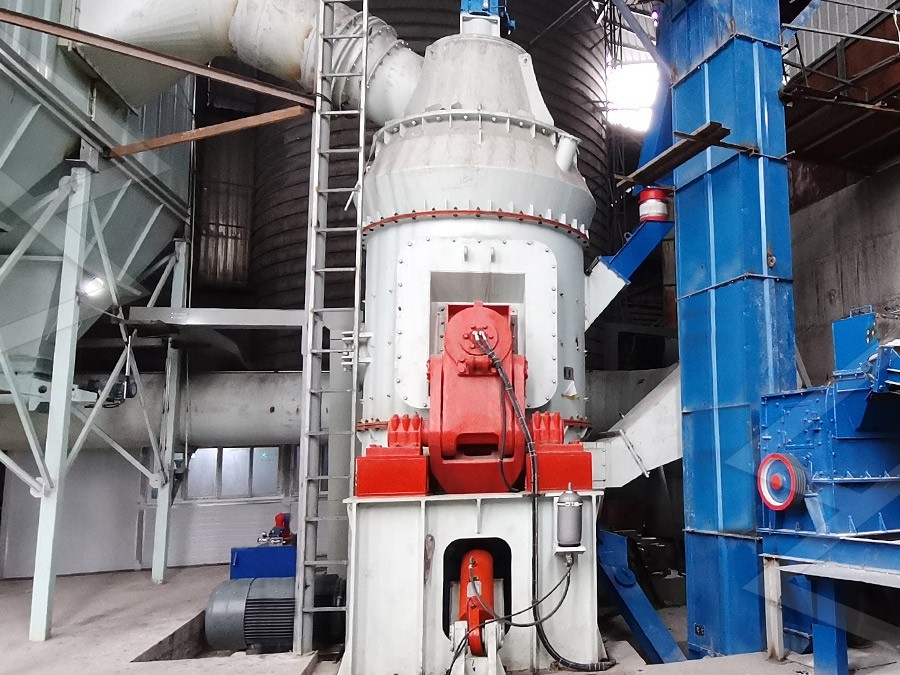
For such a high-capacity requirement, our LM Vertical Grinding Mill stands as an exemplary solution. Engineered for integrated crushing, drying, grinding, classifying, and conveying, it is perfectly suited for non-metallic minerals, pulverized coal, and slag. Its compact design reduces the coverage area by 50% compared to a ball mill system, while its energy consumption is similarly reduced by 30%-40%.
Key advantages for your 2500t operation include:
- Input Size: Handles feed up to 0-70 mm.
- High Capacity: Perfectly matched for demands up to 340 tph.
- Lower Iron Content: Short grinding time and non-contact grinding ensure minimal iron pollution.
- Fully Automated: Expert-level control system allows for remote operation and seamless process control.
Ensuring Long-Term Operational Excellence
Beyond the initial selection, long-term success hinges on operational support. Choosing a supplier that guarantees a sufficient supply of original spare parts and provides comprehensive technical services is crucial for worry-free, continuous operation. This ensures that any potential issue can be resolved swiftly, minimizing costly interruptions to your high-volume production line.
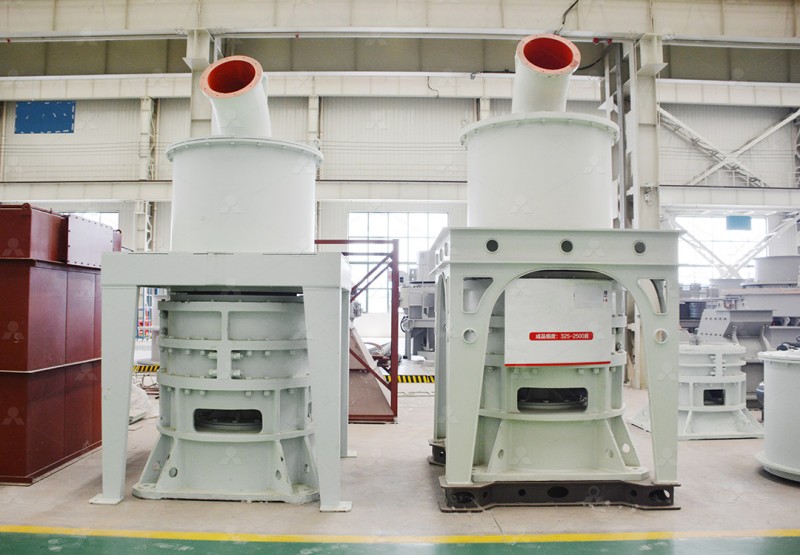
Another stellar option for specific applications requiring ultra-fine powders is our MW Ultrafine Grinding Mill. While its capacity (0.5-25 tph) is geared towards different production goals, its technology exemplifies our commitment to innovation. It achieves adjustable fineness between 325-2500 meshes and features a unique design with no rolling bearings or screws in the grinding chamber, virtually eliminating concerns about related mechanical failures and enabling external lubrication without shutdown.
Frequently Asked Questions (FAQ)
What is the biggest advantage of a vertical roller mill over a traditional ball mill for cement grinding?
The primary advantages are significantly lower energy consumption (30-40% less), a much smaller physical footprint, and integrated functionality that combines drying and grinding in a single unit, leading to a simpler and more efficient process flow.
How is product fineness controlled in the LM Vertical Mill?
Fineness is precisely controlled by adjusting the rotating speed of the powder separator’s rotor. The hydraulic system can also modulate the pressure on the grinding rollers to handle materials of different hardness, ensuring consistent output quality.
Can the LM Vertical Mill handle moist raw materials?
Yes, a key feature of the LM Vertical Mill is its strong drying capacity. Hot air can be introduced into the mill, allowing it to simultaneously dry and grind materials with moisture, streamlining the production process.
What kind of maintenance should be expected?
Maintenance primarily involves inspecting and replacing wear parts like grinding rollers and liner plates. Designs with reversible structures and hydraulic systems allow these components to be easily checked and replaced, reducing downtime. External lubrication points also simplify routine maintenance.
Is the system environmentally friendly?
Absolutely. The entire LM mill system operates under negative pressure, preventing dust spillage. It is also equipped with high-efficiency pulse dust collectors and noise reduction technologies, ensuring emissions and noise levels comply with strict international environmental standards.