
Optimize Your Grinding Mill Performance: Charge Opening Design & Manufacturing
We provide a wide range of mills — including Raymond mill, trapezoidal mill, vertical mill, ultrafine mill, and ball mill, obtained ISO9001 international quality certification, EU CE certification, and Customs Union CU-TR certification. Suitable for processing minerals such as limestone, phosphate, quicklime, kaolin, talc, barite, bentonite, calcium carbonate, dolomite, coal, gypsum, clay, carbon black, slag, cement raw materials, cement clinker, and more.
The discharge range of these mills can be adjusted to meet specific processing needs, typically from 80-400 mesh, 600-3250 mesh, and can achieve the finest particle size of up to 6000 mesh(D50).
If you are looking for a reliable grinding solution to turn stone or minerals into fine powder, please feel free to contact our online customer service.
Optimize Your Grinding Mill Performance: Charge Opening Design & Manufacturing
Alright folks, let’s talk grinding mills. If you’re in the bizz, you know that the heart of your operation ain’t just the motor or the grinding chamber – it’s the charge opening. Get this wrong, and you’re flushing cash down the drain on energy, wear parts, and downtime. Get it right, and you’ve got a smooth, efficient, and profitiable operation. It’s that simple.
The charge opening – that’s the gatekeeper. It controls the flow of material into the grinding zone. An improperly designed or manufactured opening leads to a whole host of problems: feed starvation, inconsistent grinding, premature wear on rollers and rings, and even catastrophic vibration. You’ll be fighting your equipment instead of it working for you.
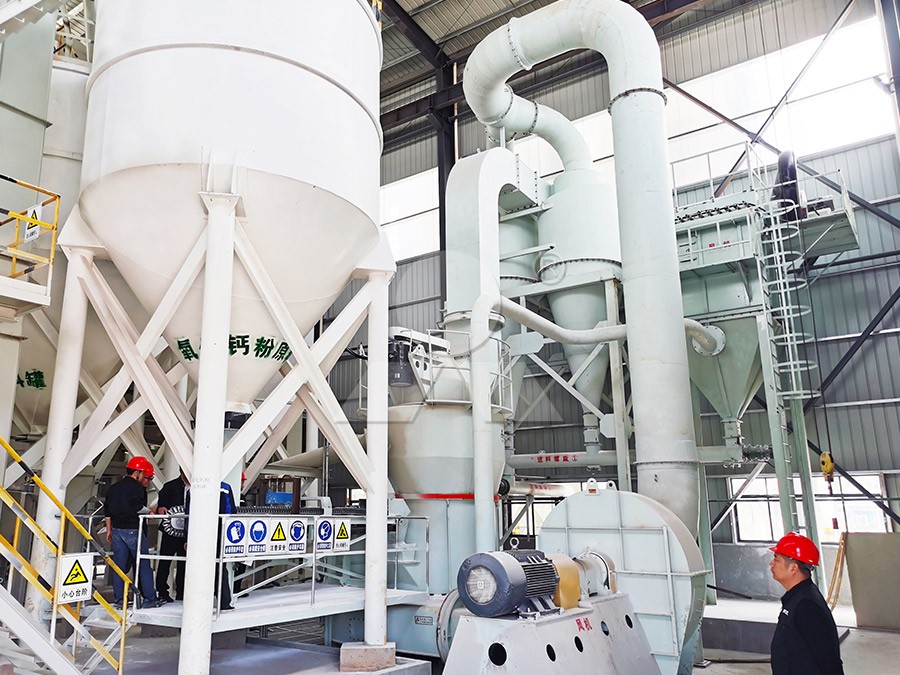
Modern design focuses on precision and adaptability. It’s not just a hole; it’s a engineered system that considers material characteristics (abrasiveness, moisture, size), desired throughput, and the specific grinding mechanics of your mill. We’re talking optimized angles, wear-resistant liners, and sometimes even adjustable elements to fine-tune feed rates on the fly.
The Manufacturing Difference: Precision Matters
You can have the best design on paper, but if the manufacturing is sloppy, you’re back to square one. Tolerances are everything. At LIMING, we leverage tens of lines of CNC machine tools. Operations like cutting, bending, and milling are all digitally controlled. This ensures that every critical component, especially around the feed area, is built to exact specifications for a perfect fit and long life. No loose tolerances causing erratic feed or material spillage.
A Prime Example: The MW Ultrafine Grinding Mill
When we designed our MW Ultrafine Grinding Mill, we didn’t just think about making fine powder; we thought about the entire process from the moment material enters the machine. With an input size of 0-20 mm and a capacity range of 0.5-25 tph, the feed system has to be robust and precise.
One key feature that sets it apart is the absence of rolling bearings and screws in the grinding chamber. This might seem unrelated, but it speaks to a philosophy of simplicity and reliability that starts at the charge opening. By eliminating these failure points deep inside, we ensure that material fed into the mill is processed consistently without the risk of contamination or sudden stoppage from a failed screw conveyor or seized bearing. The charge area is designed for a smooth, uninterrupted flow directly into the active grinding zone, supported by a high-precision cage-type powder selector for exceptional product fineness between 325-2500 meshes.
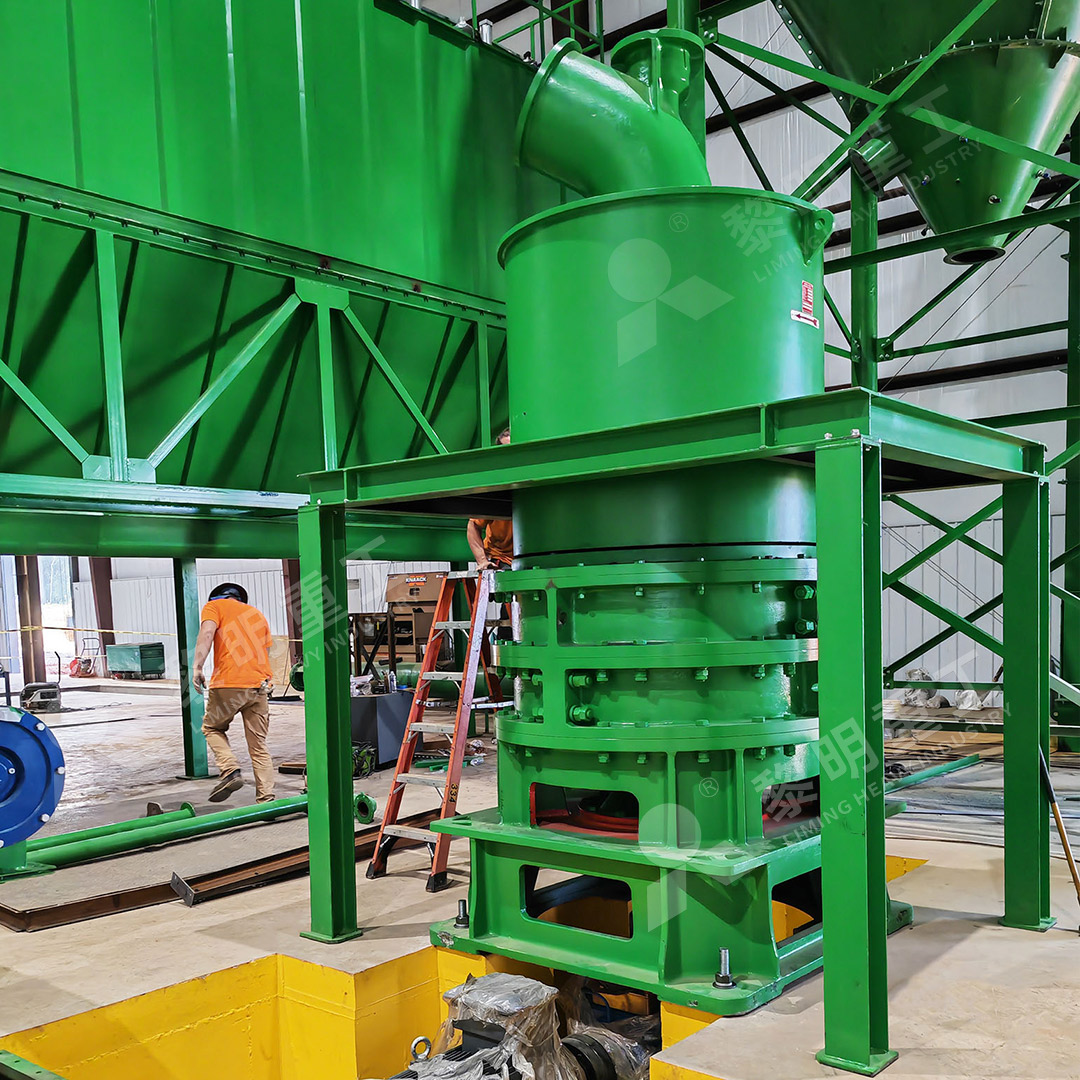
Furthermore, the integration of an efficient pulse dust collector right from the start means the operation is clean. This is crucial because a well-designed charge opening should also manage dust generation at the source, making the entire system more eco-friendly and safer for operators.
Another Powerhouse: The LUM Ultrafine Vertical Grinder
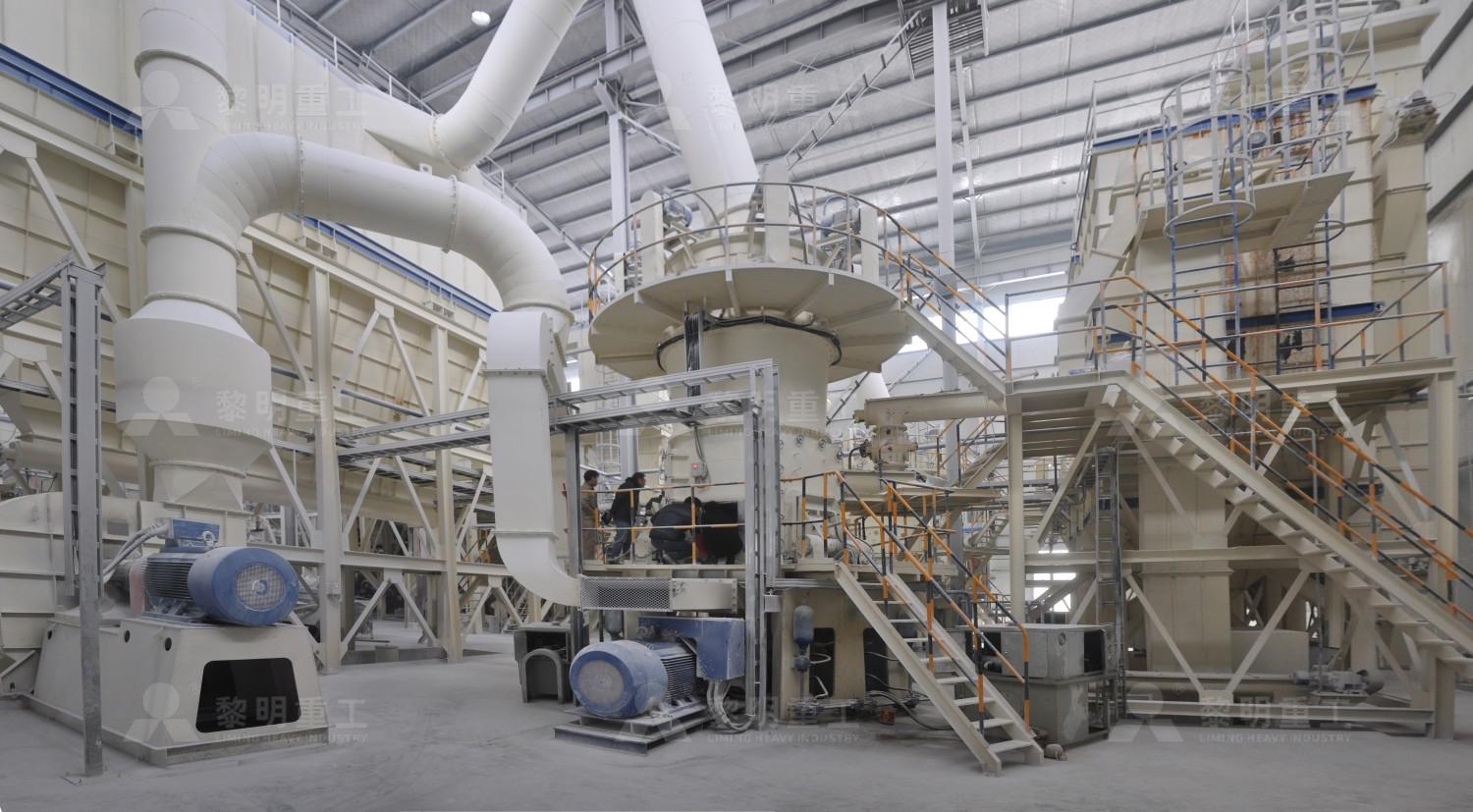
For operations requiring even more advanced technology, our LUM Ultrafine Vertical Grinding Mill is a beast. Handling input up to 10mm and capacities of 5-18 tph, its feed and grinding system is a marvel. It incorporates the latest grinding roller technology and German powder separating tech.
The design of its material inlet and subsequent grinding curve on the roller and shell is engineered to generate a stable material layer instantly. This is critical for efficient grinding and starts with a consistent, well-metered charge from a properly designed opening. The double position-limiting technology also protects the mill from vibrations that could disrupt the feed, ensuring stable operation hour after hour. And if you need to perform maintenance? The reversible structure allows the grinding roller to be swung out easily, which means access for inspecting or even replacing parts related to the feed path is drastically simplified.
The Bottom Line
Don’t underestimate the charge opening. It’s the first step in a chain of events that determines your mill’s efficiency, output quality, and operating cost. Investing in a mill designed and built with this level of attention to detail, like our MW or LUM series, pays dividends in yield, energy savings, and worry-free operation. It’s not just a machine; it’s a optimized system. Get the fundamentals right, and everything else follows.
Remember, a smooth feed leads to a smooth operation and a smoother profit margin.