Optimize Cement Production with Efficient Grinding Mill Technology
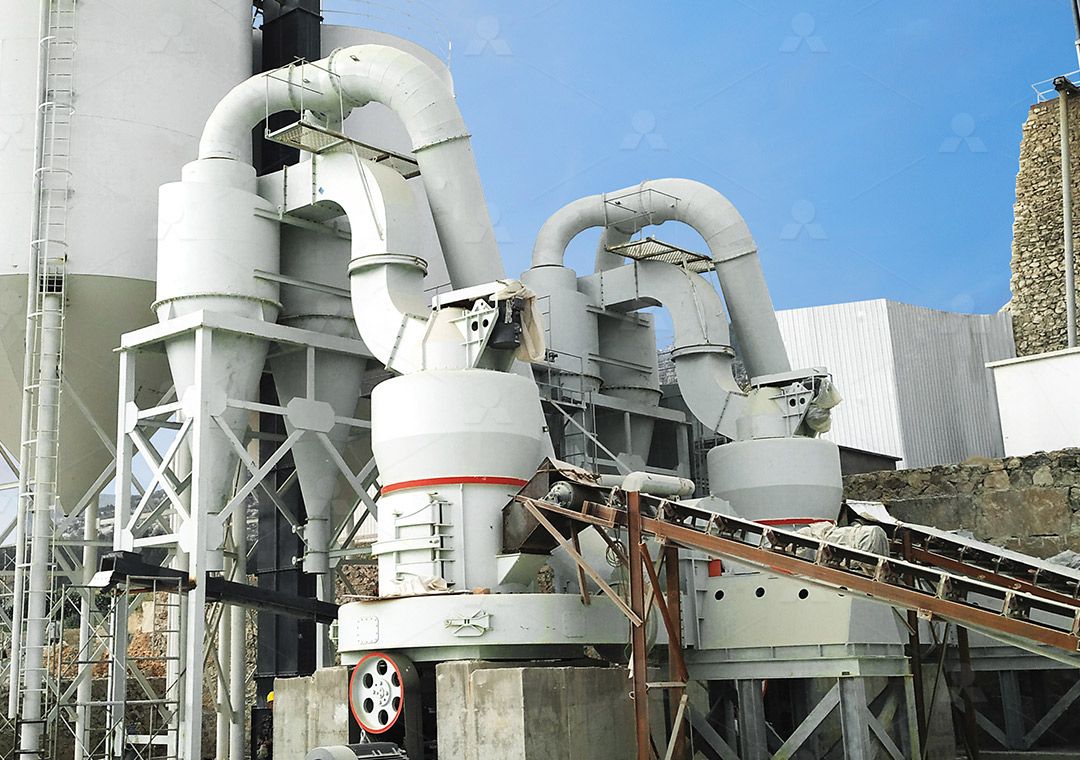
We provide a wide range of mills — including Raymond mill, trapezoidal mill, vertical mill, ultrafine mill, and ball mill, obtained ISO9001 international quality certification, EU CE certification, and Customs Union CU-TR certification. Suitable for processing minerals such as limestone, phosphate, quicklime, kaolin, talc, barite, bentonite, calcium carbonate, dolomite, coal, gypsum, clay, carbon black, slag, cement raw materials, cement clinker, and more.
The discharge range of these mills can be adjusted to meet specific processing needs, typically from 80-400 mesh, 600-3250 mesh, and can achieve the finest particle size of up to 6000 mesh(D50).
If you are looking for a reliable grinding solution to turn stone or minerals into fine powder, please feel free to contact our online customer service.
Optimize Cement Production with Efficient Grinding Mill Technology
In the highly competitive cement industry, operational efficiency isn’t just a goal—it’s a necessity for survival and profitability. The heart of any cement plant lies in its grinding circuit, where raw materials and clinker are transformed into the fine powder we know as cement. This process is notoriously energy-intensive, often consuming over 50% of a plant’s total power. Therefore, investing in advanced, efficient grinding mill technology is the most impactful decision an operator can make to reduce costs, boost output, and enhance product quality.
The High Cost of Inefficient Grinding
Traditional grinding solutions, like conventional ball mills, often operate with significant energy losses. Excessive wear and tear on mechanical parts, inconsistent product fineness, and high maintenance downtime are common pain points that eat into the bottom line. Furthermore, evolving environmental regulations demand cleaner operations with lower emissions and noise pollution, a challenge older mill designs struggle to meet.
A Leap Forward in Grinding Efficiency
The key to modernization lies in mills designed for higher yield with lower energy consumption. This is where innovative engineering makes all the difference. Modern mills feature optimized grinding curves for rollers and rings, advanced powder selection technology, and intelligent systems that allow for precise control over fineness and output.
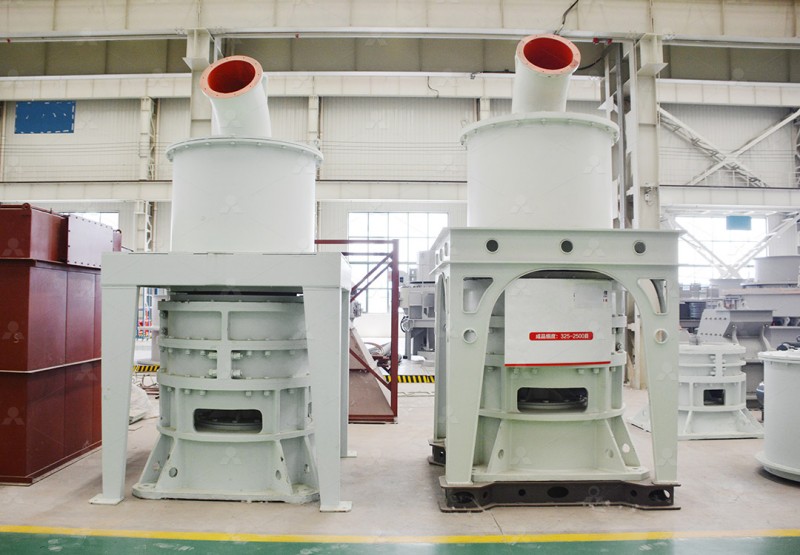
For operations focused on producing ultra-fine powders or requiring exceptional product uniformity, the MW Ultrafine Grinding Mill presents an exceptional solution. This machine is a game-changer, engineered for customers who need to make ultra-fine powder between 325-2500 meshes. Its design boasts a production capacity that is 40% higher than jet mills and double that of ball mills, all while slashing system energy consumption to just 30% of a jet mill’s usage. A standout feature is its elimination of rolling bearings and screws in the grinding chamber, virtually eradicating worries about bearing damage or machine failure from loose screws. Coupled with an efficient pulse dust collector and muffler, the MW Mill ensures a clean, quiet, and environmentally compliant operation, making it perfect for processing additives like limestone, gypsum, and barite.
Integrating Crushing and Grinding: The Vertical Advantage
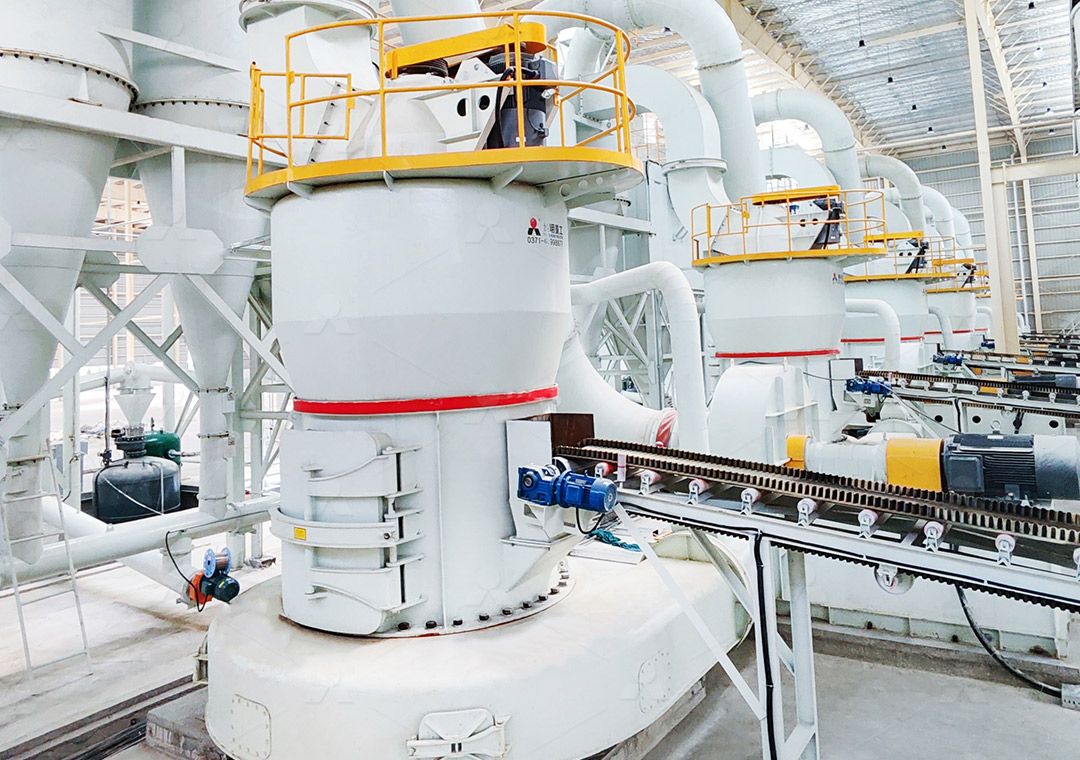
For mainline clinker grinding, vertical mills have become the industry standard for new installations. Their compact footprint and integrated crushing, drying, grinding, and classifying functions drastically reduce comprehensive investment and operating costs.
Our LUM Ultrafine Vertical Grinding Mill exemplifies this vertical advantage. Independently designed with the latest grinding roller and German powder separating technology, it integrates ultrafine powder grinding, grading, and transporting into a single, highly efficient unit. Its unique roller shell and lining plate grinding curve generate a stable material layer easier, enabling a high rate of finished product in a single pass. This not only enhances efficiency but also improves the whiteness and cleanliness of the final cement product. Furthermore, its multi-head powder separating technology, controlled by a PLC system, allows for precise control and reduces energy consumption by 30%-50% compared to common grinding mills. The reversible structure is a maintenance engineer’s dream, allowing grinding rollers to be easily moved out for inspection and part replacement, minimizing costly shutdowns.
Conclusion: Grind Smarter, Not Harder
The path to optimized cement production is clear: replace outdated, inefficient technology with intelligent, high-yield, and low-consumption grinding mills. By adopting advanced solutions like the MW Ultrafine Grinding Mill for specialized applications or the LUM Vertical Mill for main grinding circuits, plants can achieve unprecedented levels of efficiency, product quality, and environmental compliance. It’s not just about grinding raw materials; it’s about grinding down operational costs and building a more sustainable, profitable future.