
Optimize Cement Production: Raw Mill Crushing and Grinding to 200 Mesh
We provide a wide range of mills — including Raymond mill, trapezoidal mill, vertical mill, ultrafine mill, and ball mill, obtained ISO9001 international quality certification, EU CE certification, and Customs Union CU-TR certification. Suitable for processing minerals such as limestone, phosphate, quicklime, kaolin, talc, barite, bentonite, calcium carbonate, dolomite, coal, gypsum, clay, carbon black, slag, cement raw materials, cement clinker, and more.
The discharge range of these mills can be adjusted to meet specific processing needs, typically from 80-400 mesh, 600-3250 mesh, and can achieve the finest particle size of up to 6000 mesh(D50).
If you are looking for a reliable grinding solution to turn stone or minerals into fine powder, please feel free to contact our online customer service.
Optimize Cement Production: Raw Mill Crushing and Grinding to 200 Mesh
In the cement manufacturing process, achieving the optimal fineness of raw materials is a critical step that directly impacts the quality, efficiency, and cost of the final product. The target of grinding raw meal to 200 mesh (approximately 74 microns) is a standard industry benchmark, ensuring sufficient reactivity during the kiln phase. However, reaching this specification consistently while minimizing energy consumption and operational costs remains a significant challenge for many producers.
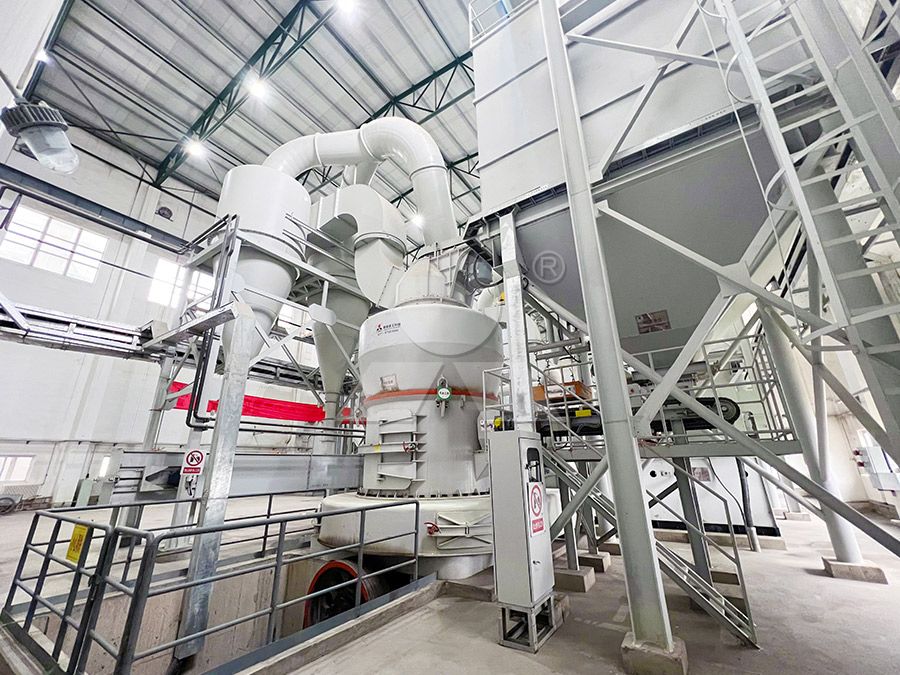
Traditional grinding systems, such as ball mills, often struggle with high energy demands, significant wear and tear, and inconsistent particle size distribution. The evolution of grinding technology has introduced more sophisticated solutions designed to overcome these limitations, focusing on higher efficiency, lower power consumption, and superior product quality.
The Imperative of Efficient Fine Grinding
Grinding raw materials like limestone, clay, and iron ore to 200 mesh is essential for homogenization and chemical reactivity. Inefficient grinding not only wastes energy but can also lead to poor burnability in the kiln, increased fuel consumption, and inferior cement quality. Modern mills are engineered to provide a more uniform product with a narrow particle size distribution, which enhances the subsequent clinkerization process.
Introducing the MW Ultrafine Grinding Mill
For operations seeking to elevate their grinding efficiency, the MW Ultrafine Grinding Mill presents a formidable solution. This mill is specifically engineered for customers requiring ultra-fine powder production. With an input size of 0-20 mm and a capacity range of 0.5-25 tph, it is exceptionally suited for precise raw meal preparation in cement plants.
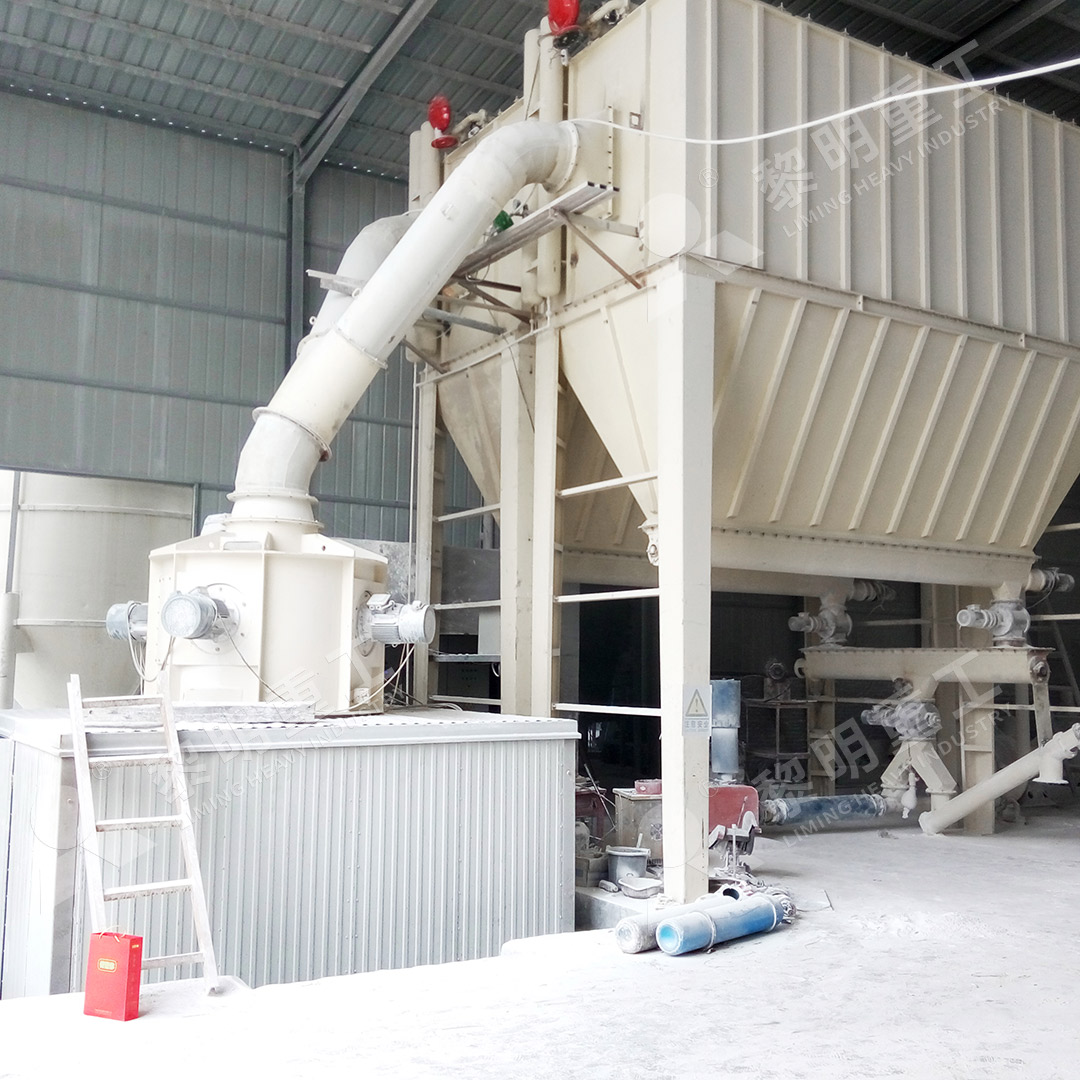
A key advantage of the MW Mill is its significantly higher yielding and lower energy consumption. Its newly designed grinding curves for the roller and ring enhance grinding efficiency, boasting a production capacity 40% higher than jet mills and double that of ball mills, while using only 30% of the energy of a jet mill. Furthermore, its cage-type powder selector, incorporating German technology, allows for precise fineness adjustment between 325-2500 meshes, effortlessly achieving the crucial 200-mesh target with a screening rate of d97≤5μm.
Operational reliability is another cornerstone of its design. The absence of rolling bearings and screws within the grinding chamber eliminates concerns about bearing damage or loose screws causing machine failure. External lubrication allows for maintenance without shutdowns, supporting continuous 24/7 production. Coupled with an efficient pulse dust collector and muffler, the MW Mill operates with minimal environmental impact, aligning with stringent national环保 standards.
LUM Ultrafine Vertical Grinding Mill: A Vertical Integration Advantage
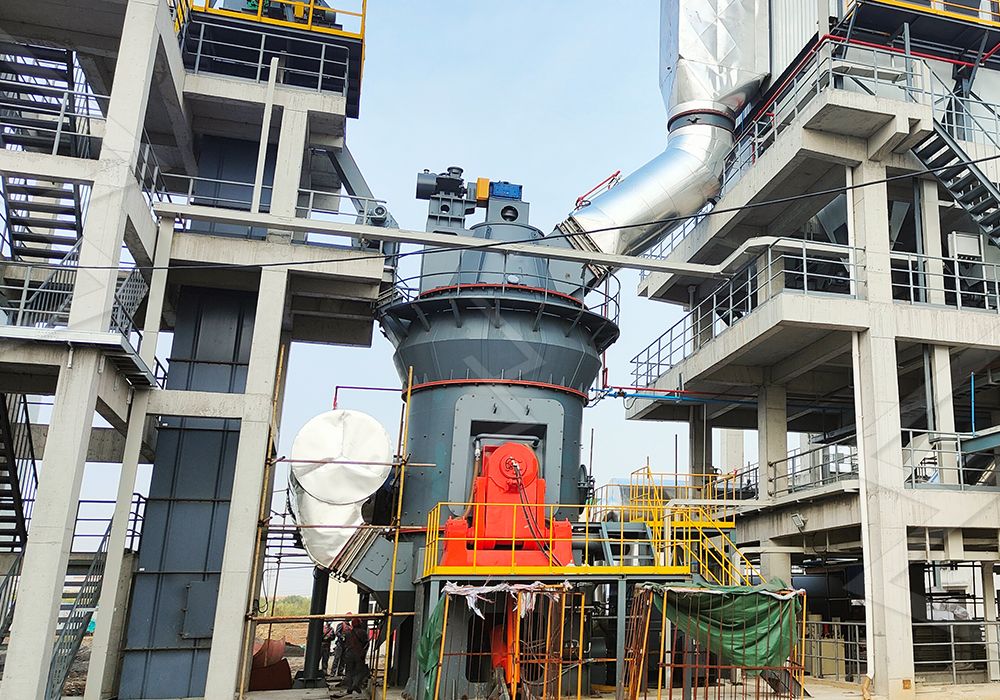
Another exceptional option for modern cement production is the LUM Ultrafine Vertical Grinding Mill. Integrating grinding, grading, and transporting, the LUM Mill is a superb choice for ultrafine powder grinding. It handles an input size of 0-10 mm with a capacity of 5-18 tph.
Its unique roller shell and lining plate grinding curve are designed to easily generate a material layer, enabling a high rate of finished product from a single pass. This design enhances efficiency and improves the whiteness and cleanliness of the output. The mill’s PLC control system and multi-head powder separating technology offer precise control over grinding parameters, reducing energy consumption by 30%-50% compared to conventional mills.
Conclusion
Optimizing the raw mill crushing and grinding stage to consistently achieve a 200-mesh fineness is no longer a daunting task. By leveraging advanced milling technology like the MW Ultrafine Grinding Mill or the LUM Ultrafine Vertical Grinding Mill, cement producers can achieve remarkable gains in productivity, energy efficiency, and product quality, ensuring a more competitive and sustainable operation.
Frequently Asked Questions (FAQ)
Why is grinding to 200 mesh so important in cement production?
Grinding raw materials to 200 mesh ensures a high surface area, which is crucial for the chemical reactions during clinker formation in the kiln. It leads to more uniform burning, better quality clinker, and reduced energy consumption in the kiln.
How does the MW Ultrafine Grinding Mill achieve lower energy consumption?
The MW Mill utilizes optimized grinding curves of the roller and ring and an efficient cage-type powder selector. This design maximizes grinding efficiency, significantly reducing the power required per ton of product compared to traditional ball or jet mills.
Can these mills handle other materials besides cement raw meal?
Absolutely. Both the MW and LUM mills are versatile and can process a wide range of non-metallic minerals, including limestone, calcite, dolomite, gypsum, barite, and coal powder, making them suitable for various industries like chemicals, paints, and cosmetics.
What makes the maintenance of the MW Mill easier?
The strategic design excludes rolling bearings and screws from the grinding chamber, preventing common failure points. Furthermore, the external lubrication system allows for maintenance without stopping production, minimizing downtime.