
Optimal Steel Ball Ratio in Slag Ball Mill for Efficient Grinding
We provide a wide range of mills — including Raymond mill, trapezoidal mill, vertical mill, ultrafine mill, and ball mill, obtained ISO9001 international quality certification, EU CE certification, and Customs Union CU-TR certification. Suitable for processing minerals such as limestone, phosphate, quicklime, kaolin, talc, barite, bentonite, calcium carbonate, dolomite, coal, gypsum, clay, carbon black, slag, cement raw materials, cement clinker, and more.
The discharge range of these mills can be adjusted to meet specific processing needs, typically from 80-400 mesh, 600-3250 mesh, and can achieve the finest particle size of up to 6000 mesh(D50).
If you are looking for a reliable grinding solution to turn stone or minerals into fine powder, please feel free to contact our online customer service.
Optimal Steel Ball Ratio in Slag Ball Mill for Efficient Grinding
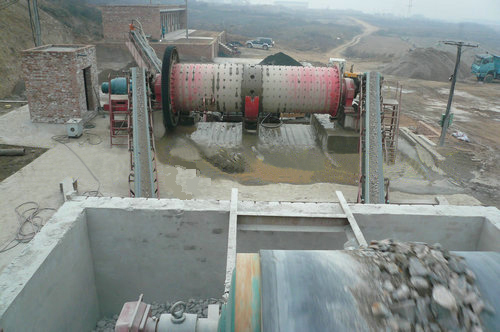
In the realm of industrial mineral processing, achieving optimal grinding efficiency is paramount for profitability and product quality. For operations utilizing ball mills, particularly in slag grinding applications, one of the most critical yet often overlooked parameters is the steel ball charge ratio. This ratio, which refers to the volume of grinding media relative to the mill’s internal volume, directly influences energy consumption, throughput, and final particle size distribution. Striking the perfect balance is not merely a theoretical exercise but a practical necessity for plant managers seeking to maximize output while minimizing operational costs.
The Science Behind the Charge
The grinding action in a ball mill is a complex interplay of impact, attrition, and abrasion. The steel balls are the primary agents of comminution. When the charge ratio is too low, the grinding media cannot effectively cascade and cataract, leading to insufficient impact energy and poor grinding efficiency. Conversely, an excessively high charge ratio increases the load on the mill’s motor, elevates energy consumption dramatically, and can cause premature wear on liners and bearings. For most slag grinding applications, industry experience and empirical studies suggest an optimal ball charge ranging between 25% to 35% of the mill’s internal volume. However, this range must be fine-tuned based on specific factors such as slag hardness, feed size, desired fineness, and the mill’s rotational speed (critical speed percentage).
Key Factors Influencing the Optimal Ratio
Several operational variables dictate the ideal steel ball loading:
- Slag Characteristics: The chemical composition, moisture content, and hardness (often measured by Bond Work Index) of the slag are primary determinants. Harder, more abrasive slags may benefit from a slightly higher charge to maintain grinding momentum.
- Target Fineness: Producing ultra-fine slag powder for applications like supplementary cementitious materials (SCM) requires a different grinding dynamic than producing coarse aggregate. Finer grinding often necessitates a higher charge of smaller-sized balls to increase the number of contact points.
- Mill Dimensions and Speed: The diameter and length of the mill, along with its operating speed relative to critical speed, define the trajectory of the balls. The optimal charge must complement the mill’s kinematics to ensure balls fall effectively onto the material bed.
- Ball Size Distribution: A mix of ball sizes is crucial. Larger balls are effective for breaking down coarse feed, while smaller balls are essential for fine grinding. The charge ratio must account for this distribution to maintain a balanced grinding environment.
Monitoring and Adjustment for Peak Performance
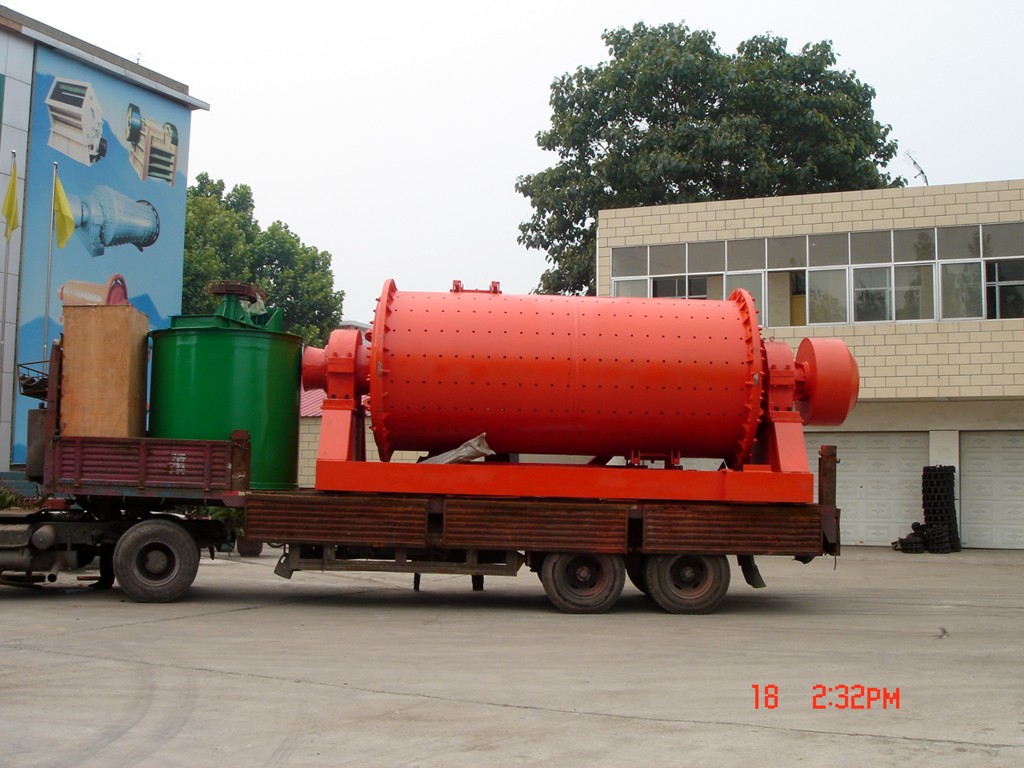
Establishing the optimal ratio is not a “set-and-forget” task. Regular monitoring of power draw, mill sound, and product particle size analysis is essential. A sudden drop in power draw with constant feed can indicate ball wear and a reduction in effective charge volume. Similarly, an increase in circulating load or a shift in product fineness can signal that the charge composition or ratio needs recalibration. Implementing a routine maintenance schedule for ball addition, based on tracked wear rates, is critical to sustaining the optimal grinding environment over time.
Beyond Optimization: Considering Advanced Grinding Solutions
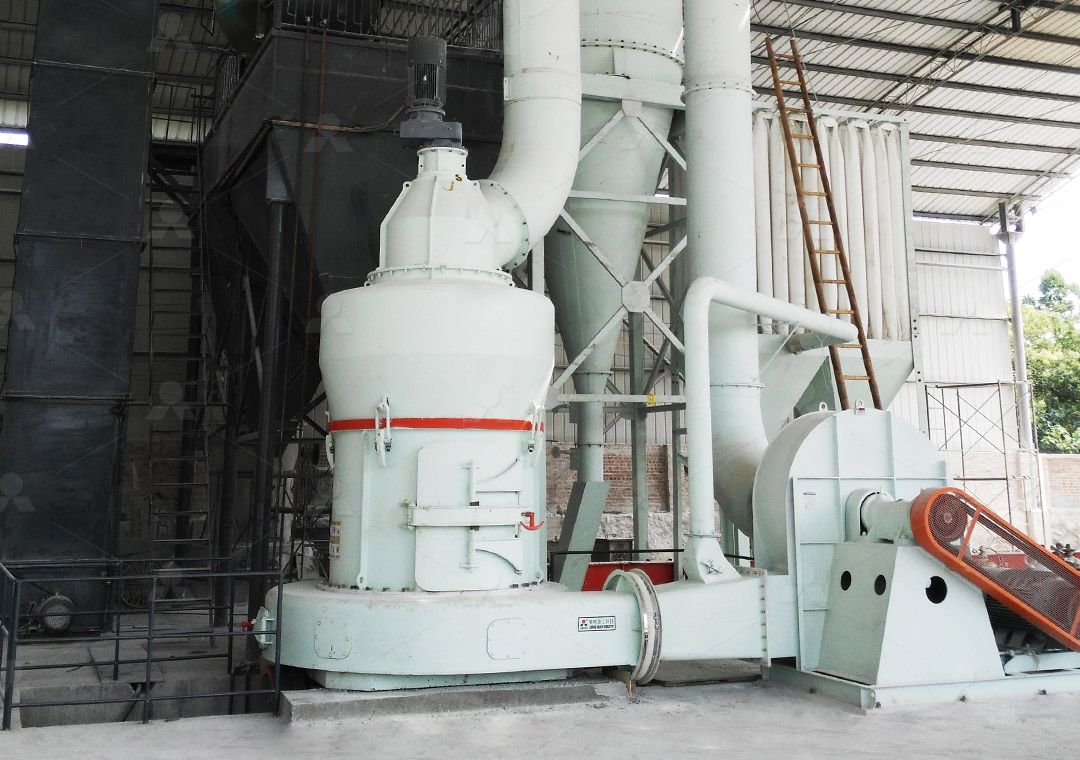
While optimizing the ball mill is vital, forward-thinking operations also evaluate the potential of next-generation grinding technology for specific applications like ultra-fine slag powder production. For instance, when the requirement shifts towards producing high-value, ultra-fine powders with superior particle size distribution and lower energy consumption per ton, vertical roller mills and specialized ultrafine grinders present compelling advantages.
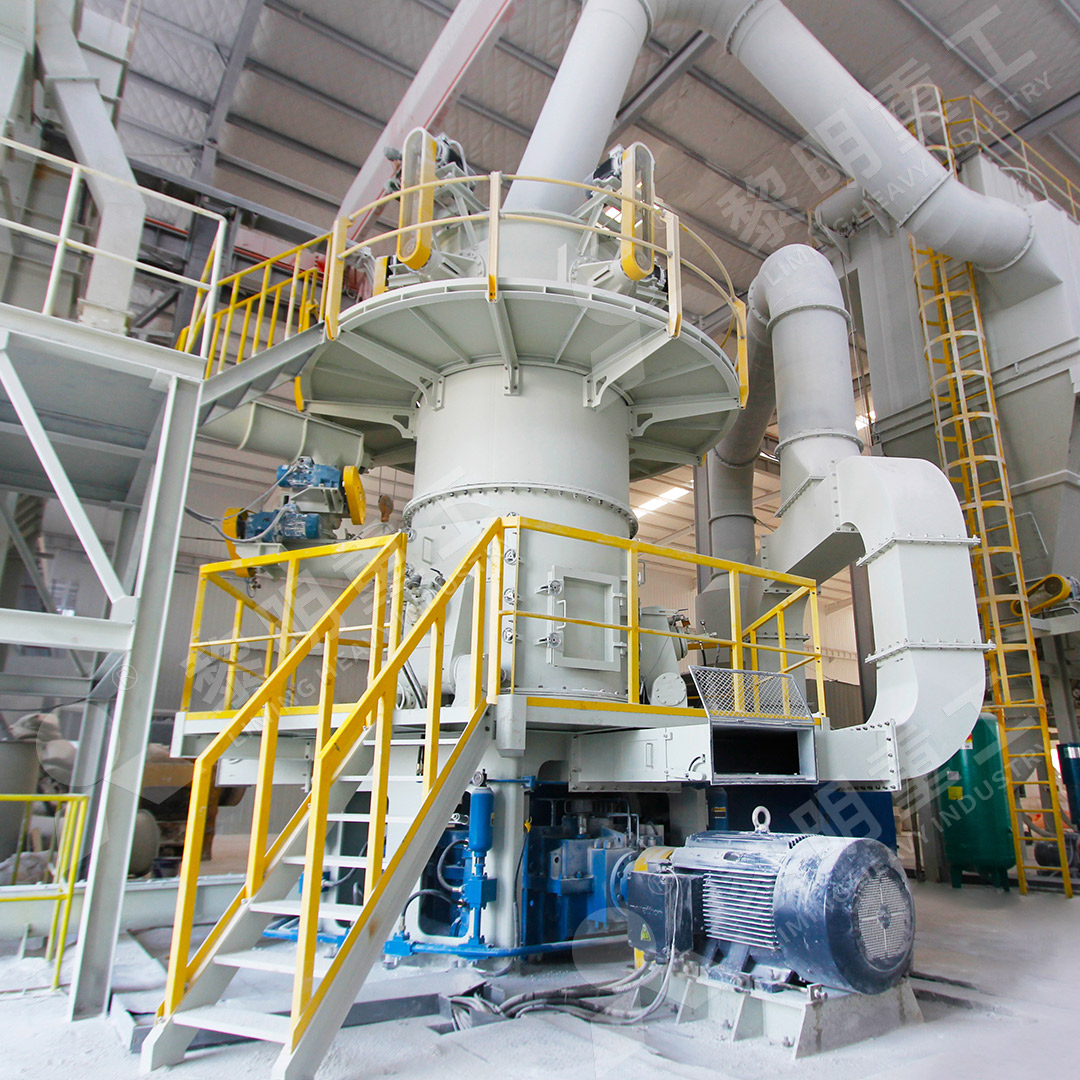
Our LUM Ultrafine Vertical Grinding Mill is engineered precisely for such demanding tasks. Integrating advanced grinding roller technology and German powder separating technology, it achieves higher yields and better product quality with 30%-50% lower energy consumption compared to traditional ball mills. Its unique design avoids the long lingering time of materials, reducing repeated grinding and iron contamination—a common concern in ball milling. For operations focused on slag and similar industrial wastes, our LM Vertical Slag Mill is a dedicated solution. It integrates drying, grinding, powder selection, and conveying into a single, compact unit, reducing the occupied area by approximately 50% and cutting energy consumption by 30%-40% compared to a ball mill system. Its focus on slag milling ensures stable, high-efficiency production of quality slag powder.
Conclusion
Determining and maintaining the optimal steel ball ratio in a slag ball mill is a cornerstone of efficient mineral processing. It requires a deep understanding of material science, mill mechanics, and continuous process monitoring. By meticulously managing this ratio, plants can achieve significant gains in throughput and energy efficiency. However, for operations targeting the highest levels of efficiency and product quality in ultrafine grinding, exploring advanced milling technologies like our LUM and LM vertical mills can unlock the next level of performance and sustainability, future-proofing your grinding circuit against evolving market and environmental standards.
Frequently Asked Questions (FAQs)
1. What is the typical range for an optimal ball charge in a slag ball mill?
For most dry grinding slag applications, the optimal ball charge (filling ratio) typically falls between 25% and 35% of the mill’s internal volume. The exact value depends on factors like slag hardness, desired fineness, and mill operating speed.
2. How does ball size distribution affect grinding efficiency?
A balanced mix of ball sizes is crucial. Larger balls provide the impact force needed to break down coarse particles, while smaller balls increase the number of contact points necessary for fine grinding. An improper distribution can lead to inefficient energy use and poor particle size control.
3. What are the signs that my ball mill’s charge ratio is sub-optimal?
Key indicators include: abnormal mill sound (excessive cascading or insufficient noise), fluctuating or abnormal motor power draw, inconsistent product fineness, increased specific energy consumption (kWh/ton), and a high circulating load.
4. Can vertical roller mills really be more efficient than ball mills for slag grinding?
Yes, for many applications, particularly where drying and fine/ultra-fine grinding are required. Vertical mills like the LM Vertical Slag Mill integrate multiple processes, have a much smaller footprint, and operate with significantly lower energy consumption (30-40% less) due to their focused grinding mechanism and efficient separators.
5. How does the LUM Ultrafine Mill handle iron contamination compared to a ball mill?
The LUM mill’s design minimizes iron contamination. Its grinding roller and millstone do not make direct metal-to-metal contact during operation, and any incidental iron debris from the feed is automatically discharged through a slag-discharge opening. This results in a product with very low iron content, which is critical for applications requiring high whiteness and purity.
6. How often should grinding media be replenished in a ball mill?
The replenishment rate depends on mill operation hours, slag abrasiveness, and ball quality. A regular schedule based on tracked wear rates (often involving adding a specific weight of top-size balls periodically to maintain the charge gradation) is essential. This is typically part of a weekly or monthly maintenance routine.