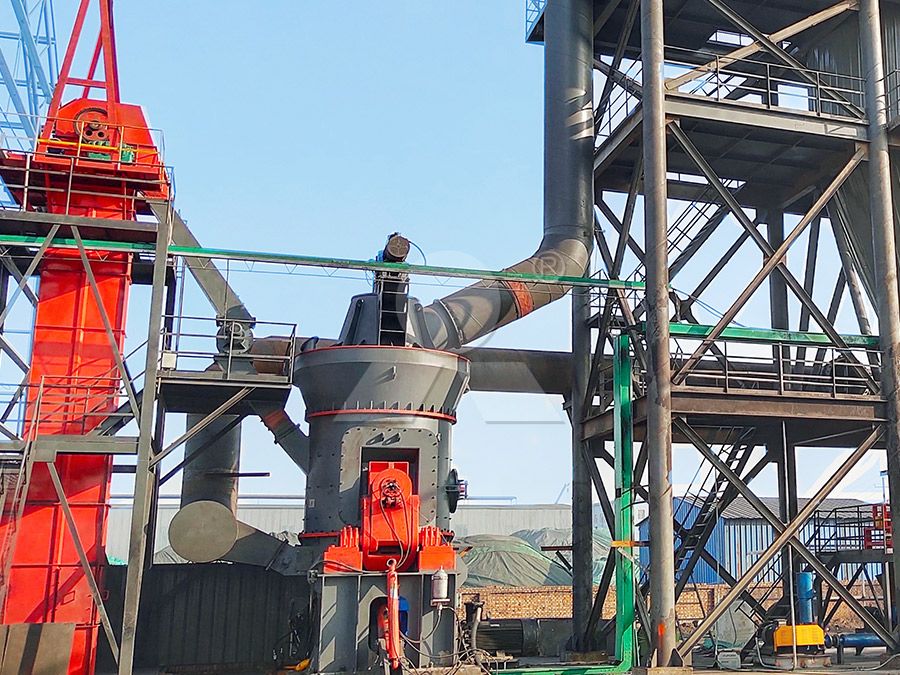
Optimal Steel Ball Ratio for Efficient Steel Slag Grinding in Ball Mills
We provide a wide range of mills — including Raymond mill, trapezoidal mill, vertical mill, ultrafine mill, and ball mill, obtained ISO9001 international quality certification, EU CE certification, and Customs Union CU-TR certification. Suitable for processing minerals such as limestone, phosphate, quicklime, kaolin, talc, barite, bentonite, calcium carbonate, dolomite, coal, gypsum, clay, carbon black, slag, cement raw materials, cement clinker, and more.
The discharge range of these mills can be adjusted to meet specific processing needs, typically from 80-400 mesh, 600-3250 mesh, and can achieve the finest particle size of up to 6000 mesh(D50).
If you are looking for a reliable grinding solution to turn stone or minerals into fine powder, please feel free to contact our online customer service.
Optimal Steel Ball Ratio for Efficient Steel Slag Grinding in Ball Mills
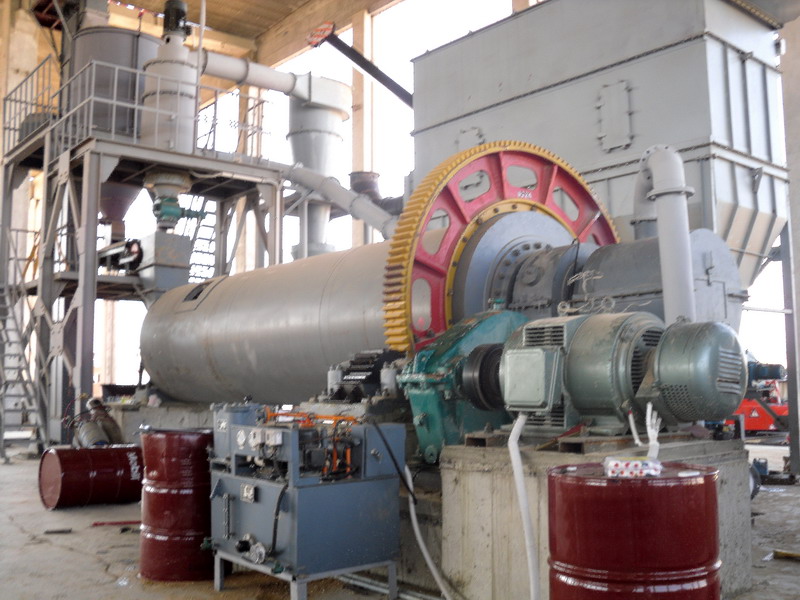
Achieving maximum efficiency in steel slag grinding operations is a constant pursuit for plant managers and process engineers. The ball mill, a workhorse in many mineral processing plants, relies heavily on the optimal loading and size distribution of its grinding media—the steel balls. Getting this ratio wrong can lead to excessive energy consumption, poor product fineness, and increased wear on mill liners.
The Critical Role of Steel Ball Ratio
The grinding process in a ball mill is a complex interplay between impact, attrition, and abrasion. For abrasive and hard materials like steel slag, the size and proportion of steel balls are not mere suggestions; they are critical parameters. An overloaded mill with too many large balls will consume excessive power for minimal additional grinding effect, causing a sharp rise in operational costs. Conversely, a mill loaded with too many small balls may lack the necessary impact force to break down the initial slag particles effectively, leading to longer grinding times and reduced throughput.
Industry practice often suggests a starting ball charge that makes up 25-35% of the mill’s volume. For steel slag, a graded charge is paramount. A common effective distribution might include 40-50% large balls (60-90mm) for initial impact breaking, 30-40% medium balls (40-50mm) for secondary reduction, and 20-30% small balls (25-30mm) for fine grinding and finishing. This combination ensures that particles of all sizes are acted upon efficiently throughout the mill’s length.
Beyond the Ball Mill: Embracing Advanced Grinding Technologies
While optimizing ball ratio is essential, many operations are now looking beyond traditional ball mills for slag processing to achieve a step-change in efficiency. The high energy intensity and noise of ball mills have prompted a shift towards more advanced, vertical grinding systems.
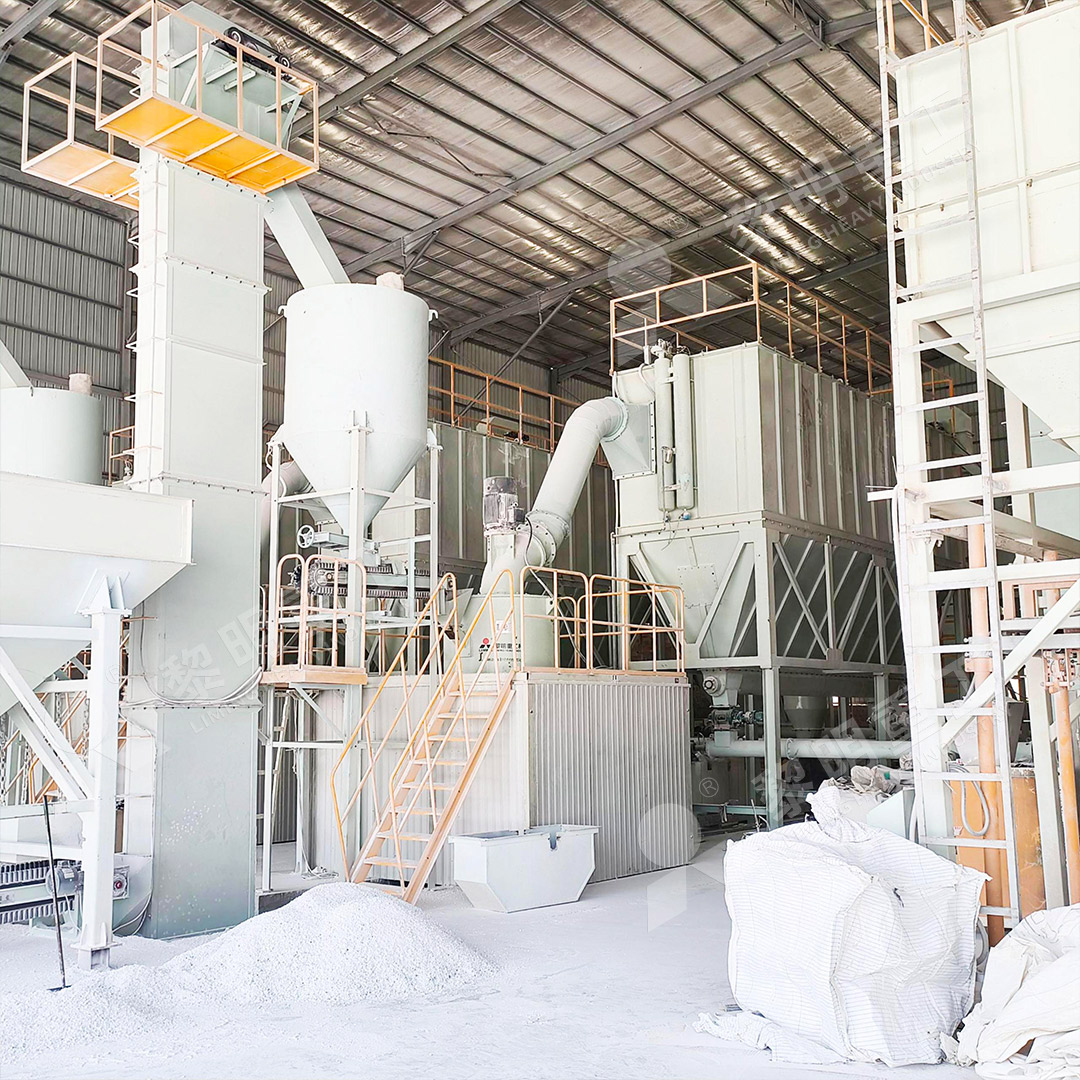
For operations focused on producing ultra-fine steel slag powder for value-added applications like concrete additives, the MW Ultrafine Grinding Mill presents a superior alternative. This machine is engineered for customers who need to make ultra-fine powder with higher yielding and lower energy consumption. A key advantage for slag processing is its innovative design: there are no rolling bearings or screws inside the grinding chamber. This eliminates worries about damages to bearings or their sealing parts from the abrasive slag, and there is no machine damage problem caused by loose screws. With a capacity range of 0.5-25 tph and the ability to adjust fineness between 325-2500 meshes, it offers precise control for high-value products. Furthermore, its efficient pulse dust collector ensures the entire milling system operates without dust pollution, making it an environmentally sound choice for modern plants.
Conclusion: Integration is Key
Ultimately, the most efficient grinding circuit is a well-integrated one. For primary and secondary grinding of steel slag, a ball mill with an optimally calculated steel ball ratio remains a robust and cost-effective solution. However, for final grinding stages where ultra-fine powder and maximum efficiency are required, integrating a specialized mill like the MW Ultrafine Grinding Mill can drastically reduce operating costs and improve product quality. The future of slag processing lies in leveraging the strengths of different technologies to create a seamless, efficient, and profitable operation.