Optimal Particle Size Specifications for Crushing and Milling Zinc Ore
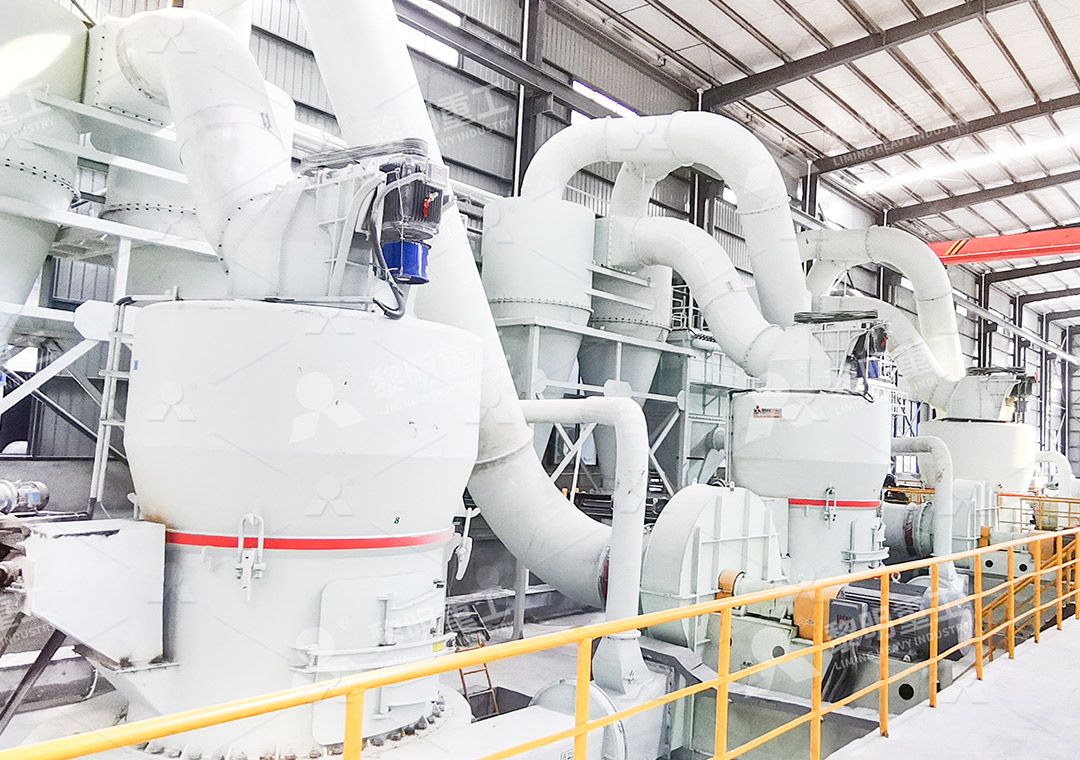
We provide a wide range of mills — including Raymond mill, trapezoidal mill, vertical mill, ultrafine mill, and ball mill, obtained ISO9001 international quality certification, EU CE certification, and Customs Union CU-TR certification. Suitable for processing minerals such as limestone, phosphate, quicklime, kaolin, talc, barite, bentonite, calcium carbonate, dolomite, coal, gypsum, clay, carbon black, slag, cement raw materials, cement clinker, and more.
The discharge range of these mills can be adjusted to meet specific processing needs, typically from 80-400 mesh, 600-3250 mesh, and can achieve the finest particle size of up to 6000 mesh(D50).
If you are looking for a reliable grinding solution to turn stone or minerals into fine powder, please feel free to contact our online customer service.
Optimal Particle Size Specifications for Crushing and Milling Zinc Ore
In the mineral processing industry, achieving the optimal particle size distribution for zinc ore is critical for maximizing recovery rates, minimizing energy consumption, and ensuring downstream process efficiency. The comminution circuit, encompassing both crushing and grinding stages, must be carefully designed to handle the specific characteristics of the zinc ore body, including its hardness, abrasiveness, and liberation size.
Primary and Secondary Crushing: Setting the Stage
The journey begins with primary crushing, where large run-of-mine (ROM) ore is reduced to a manageable size, typically below 200-250 mm. Jaw crushers are commonly employed for this heavy-duty task. Secondary crushing further reduces the material to a finer feed, often between 20-50 mm, suitable for the grinding mill feed. The goal here is to achieve a consistent product size that allows for efficient grinding without causing unnecessary wear on downstream equipment. Properly sized crusher product is paramount; too coarse, and the grinding mills are overworked; too fine, and you risk creating excessive slimes that can complicate flotation.
The Grinding Imperative: Liberation is Key
Grinding is where liberation occurs—freeing the valuable zinc minerals (like sphalerite) from the worthless gangue. The target grind size, or P80 (the size at which 80% of the material passes), is determined through extensive metallurgical testing. For many zinc ores, this target falls within the range of 45 to 75 microns. Achieving this fine grind efficiently requires robust and advanced milling technology.
Introducing the MW Ultrafine Grinding Mill
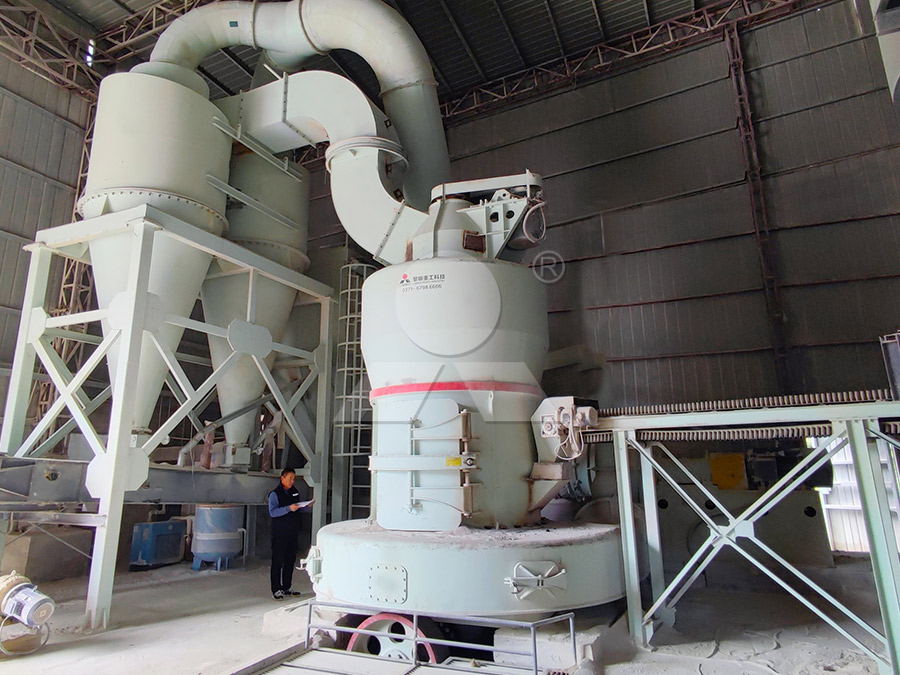
For operations requiring ultra-fine powder or dealing with complex ores needing exceptional liberation, traditional ball mills can be inefficient and energy-intensive. This is where our MW Ultrafine Grinding Mill excels. Designed for customers who need to make ultra-fine powder, this machine is a game-changer. With an input size of 0-20 mm and a capacity range of 0.5-25 tph, it’s perfectly suited for final-stage grinding of zinc concentrates or specific ore types.
The MW Mill boasts several key advantages for zinc processing:
- Higher Yielding, Lower Energy Consumption: Its newly designed grinding curves enhance efficiency, offering production capacity 40% higher than jet mills while consuming 30% less energy. This directly translates to lower operating costs per ton of ground product.
- Adjustable Fineness (325-2500 meshes): Its advanced German cage-type powder selector allows precise control over the final product size, crucial for hitting that optimal zinc liberation point. It can achieve a fine grind of d97≤5μm in a single pass.
- Eco-Friendly Operation: Equipped with an efficient pulse dust collector and muffler, the entire milling system operates cleanly, meeting stringent environmental protection standards—a must in modern mining.
Integrating LUM Ultrafine Vertical Grinding Mill
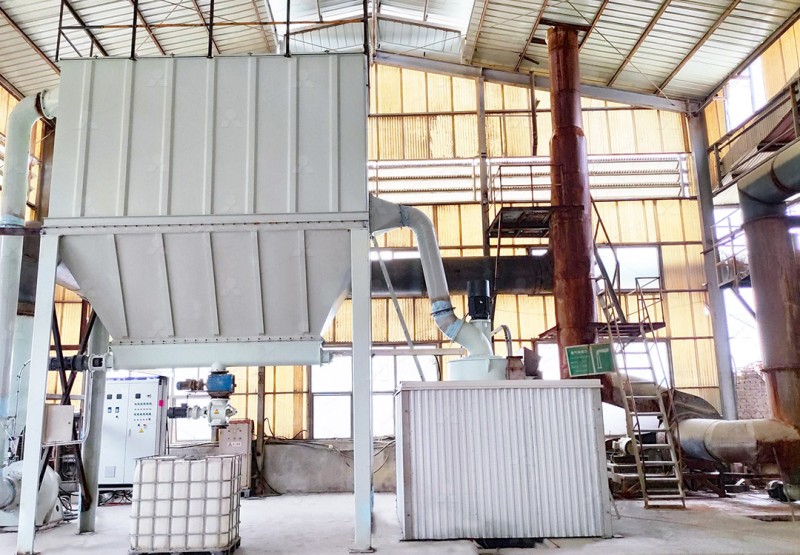
Another exceptional solution for fine grinding zinc ore is our LUM Ultrafine Vertical Grinding Mill. Integrating grinding, grading, and transporting, the LUM mill is a superior choice. It handles an input size of 0-10 mm with a capacity of 5-18 tph. Its unique roller shell and lining plate grinding curve are easier to generate a material layer, realizing a high rate of finished products by once powder milling. This enhances whiteness and cleanliness—beneficial for zinc concentrate quality. Furthermore, its multi-head powder separating technology and PLC control system reduce energy consumption by 30%-50% compared to common grinding mills, making it a highly economical and precise option for achieving the desired zinc ore specifications.
Conclusion: A Balanced Approach
Optimizing particle size in zinc ore processing is not a one-size-fits-all endeavor. It requires a holistic view of the entire comminution circuit, from primary crushing to final grinding. Selecting the right equipment for each stage, particularly advanced grinding mills like the MW Ultrafine Grinding Mill or the LUM Ultrafine Vertical Grinding Mill, is crucial for achieving operational excellence, reducing costs, and maximizing the economic return from the zinc ore deposit. Always base final equipment selection and target grind size on comprehensive ore characterization and metallurgical testing.