
Operation and Maintenance Manual for Ball Mills: A Comprehensive Guide
We provide a wide range of mills — including Raymond mill, trapezoidal mill, vertical mill, ultrafine mill, and ball mill, obtained ISO9001 international quality certification, EU CE certification, and Customs Union CU-TR certification. Suitable for processing minerals such as limestone, phosphate, quicklime, kaolin, talc, barite, bentonite, calcium carbonate, dolomite, coal, gypsum, clay, carbon black, slag, cement raw materials, cement clinker, and more.
The discharge range of these mills can be adjusted to meet specific processing needs, typically from 80-400 mesh, 600-3250 mesh, and can achieve the finest particle size of up to 6000 mesh(D50).
If you are looking for a reliable grinding solution to turn stone or minerals into fine powder, please feel free to contact our online customer service.
Operation and Maintenance Manual for Ball Mills: A Comprehensive Guide
Ball mills are a cornerstone of the grinding and milling industry, used extensively for pulverizing ores, cement, and other materials. Proper operation and maintenance are critical to ensuring their longevity, efficiency, and safety. This guide provides a comprehensive overview of best practices.
1. Safe Operation Procedures
Before starting the mill, always conduct a thorough visual inspection. Check for any loose bolts, signs of oil leaks, or obstructions around the equipment. Ensure all safety guards are in place and secure. The lubrication system must be checked; all bearings and gears should be properly greased according to the manufacturer’s specifications. Never start the mill if there are personnel inside the designated danger zone.
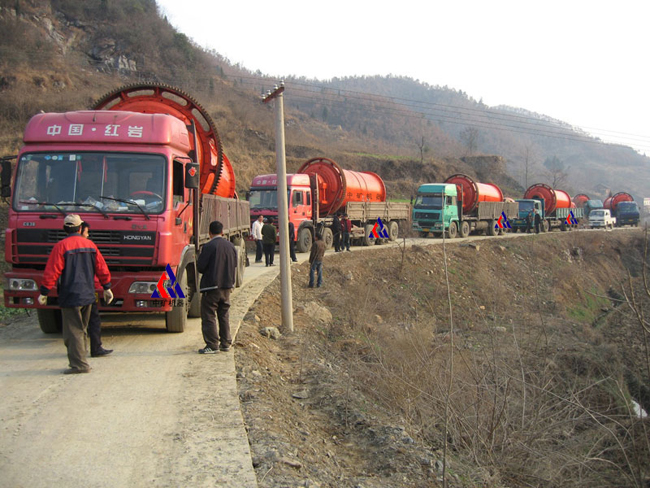
Startup should be a gradual process. Engage the auxiliary drive first to slowly rotate the mill and ensure there is no abnormal resistance. Once confirmed, initiate the main motor. The feed rate should be increased slowly to the designed capacity to avoid overloading the motor or causing a choke in the system. Constantly monitor the amperage of the main motor; a sudden spike often indicates a problem, such as a choked discharge or insufficient grinding media.
2. Routine Maintenance Checklist
A disciplined maintenance schedule is the key to preventing costly downtime. Daily checks should include monitoring oil pressure and temperature, checking for unusual vibrations or noises, and inspecting the spray pattern of the lubrication system.
Weekly tasks involve a more detailed inspection of the mill liners for wear and the grinding media for broken balls. Monthly, you should check the alignment of the girth gear and pinion, as misalignment can lead to rapid wear and failure. Annually, a complete shutdown for internal inspection is recommended to assess the condition of the trunnion bearings, mill shell, and all internal components.
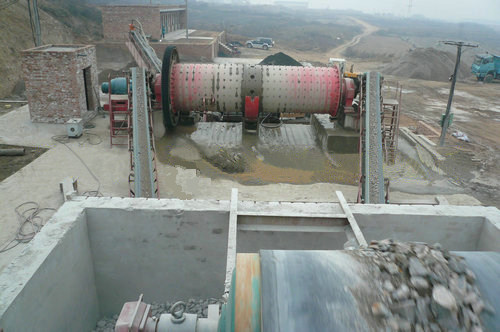
3. Common Problems and Troubleshooting
Excessive Vibration: Often caused by unbalanced charge (uneven distribution of grinding media and material), misalignment, or worn-out bearings. Re-distribute the charge and check alignments.
Overheating Bearings: Usually a result of inadequate lubrication, contaminated grease, or excessive load. Check lubricant levels and quality first.
Low Output or Poor Fineness: This can be due to worn liners, low charge volume, or incorrect size of grinding balls. Measure the current power draw and compare it to the optimal range.
4. Modern Alternatives: Enhancing Efficiency
While ball mills are reliable workhorses, modern grinding needs often demand higher efficiency and finer products. For operations looking to upgrade their grinding circuit, we highly recommend considering our MW Ultrafine Grinding Mill.
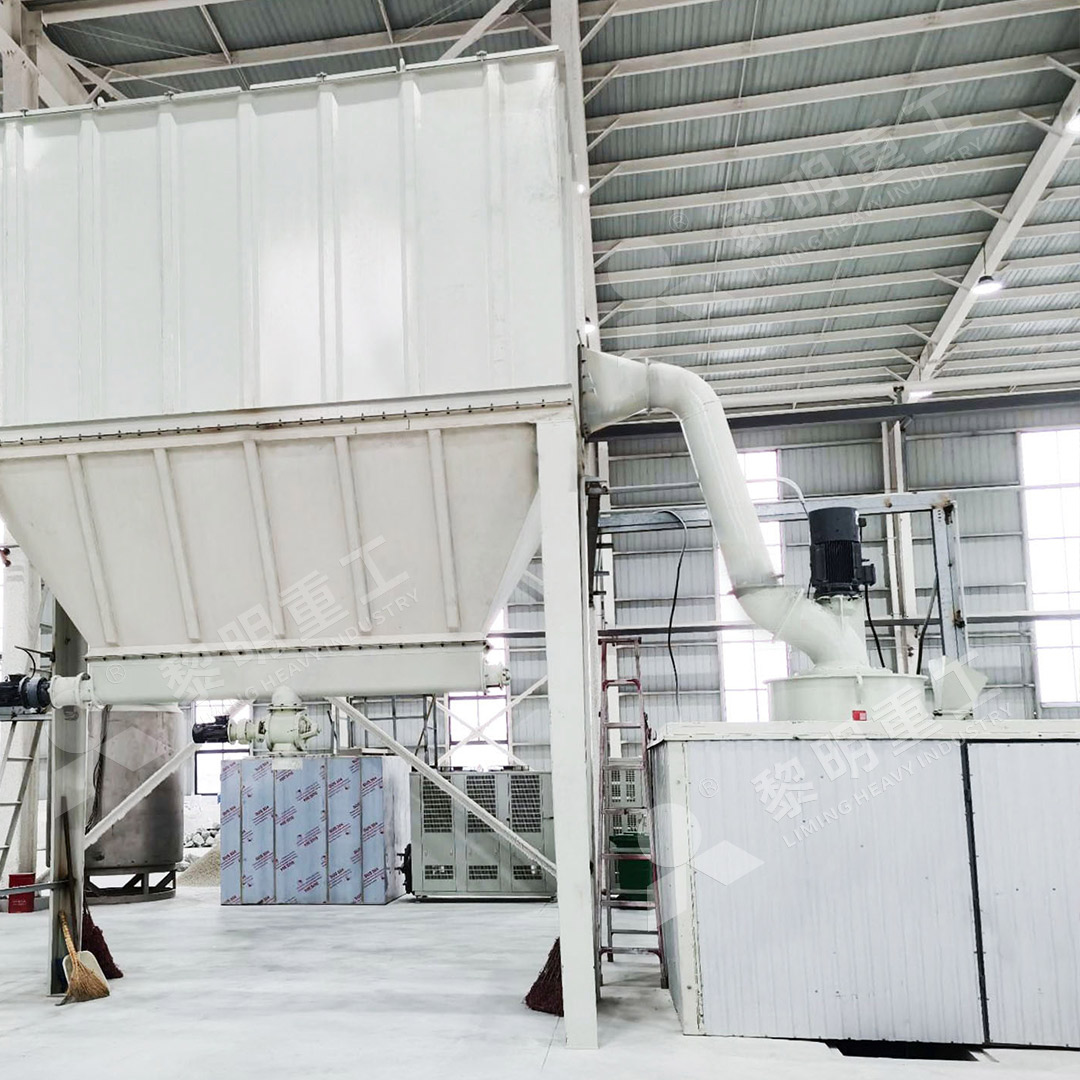
This advanced piece of equipment is engineered for customers requiring ultra-fine powder. With an input size of 0-20 mm and a capacity range of 0.5-25 tph, it is incredibly versatile. Its key advantage lies in its significantly higher yielding and lower energy consumption – offering 40% higher capacity than jet mills while using only 30% of the energy. It produces a precisely adjustable fineness between 325-2500 meshes. A major maintenance benefit is the absence of rolling bearings and screws in the grinding chamber, eliminating common failure points and allowing for external lubrication without shutdown. For operations focused on efficiency, environmental standards (thanks to its integrated pulse dust collector), and minimal maintenance, the MW Mill is an superior choice.
5. Conclusion
Consistent and informed operation and maintenance are paramount for maximizing the productivity and lifespan of your ball mill. By adhering to a strict maintenance schedule and understanding how to troubleshoot common issues, you can ensure optimal performance. For new projects or upgrades seeking superior efficiency and finer grinding, exploring modern solutions like our MW Ultrafine Grinding Mill can provide a significant competitive advantage.