
Oil-based Limestone Grinding Mill Crusher for Efficient Powder Processing
We provide a wide range of mills — including Raymond mill, trapezoidal mill, vertical mill, ultrafine mill, and ball mill, obtained ISO9001 international quality certification, EU CE certification, and Customs Union CU-TR certification. Suitable for processing minerals such as limestone, phosphate, quicklime, kaolin, talc, barite, bentonite, calcium carbonate, dolomite, coal, gypsum, clay, carbon black, slag, cement raw materials, cement clinker, and more.
The discharge range of these mills can be adjusted to meet specific processing needs, typically from 80-400 mesh, 600-3250 mesh, and can achieve the finest particle size of up to 6000 mesh(D50).
If you are looking for a reliable grinding solution to turn stone or minerals into fine powder, please feel free to contact our online customer service.
Oil-based Limestone Grinding Mill Crusher for Efficient Powder Processing
The processing of oil-based limestone into fine powders presents unique challenges for industrial operations. This specialized material, often associated with petroleum deposits or hydrocarbon-rich geological formations, demands grinding equipment that can handle its specific physical and chemical properties while ensuring high efficiency, consistent output, and environmental compliance. Achieving the desired fineness for applications in polymers, paints, sealants, and other composite materials requires a mill designed for precision, reliability, and low operational impact.
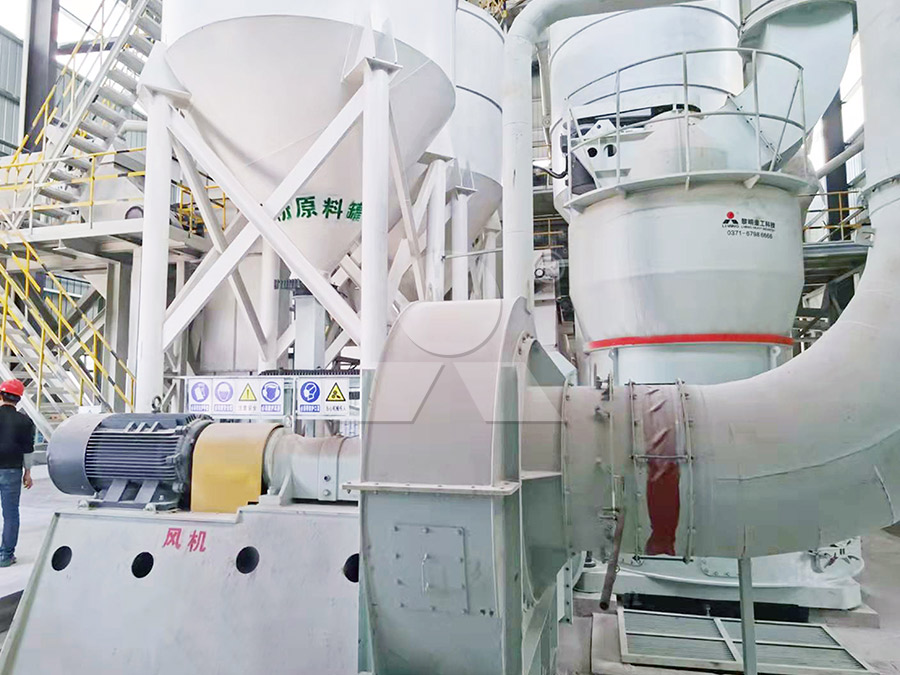
The Challenge of Oil-Based Limestone Milling
Oil-based limestone differs from standard calcium carbonate. Traces of hydrocarbons can affect flow characteristics, potentially causing agglomeration or clogging in conventional mills. Furthermore, the need for ultra-fine powders (often in the range of 325 to 2500 meshes) for high-value additives necessitates a grinding system capable of precise particle size control without contamination. Energy consumption, dust control, and the preservation of product whiteness and chemical purity are paramount concerns. Traditional ball mills or basic Raymond mills often fall short, leading to higher iron contamination, inconsistent grading, and excessive energy use.
Key Features of an Advanced Grinding Solution
An optimal mill for this application must integrate several core technologies. A high-efficiency, multi-head powder separator is non-negotiable for achieving tight particle distribution. The grinding mechanism itself should minimize metal-to-metal contact in the chamber to reduce wear-induced iron contamination—a critical factor for product quality. Advanced sealing and negative pressure operation are essential to contain any potential dust from the dry powder process. Finally, the system must be designed for easy maintenance and feature robust construction to handle continuous operation, which is where modern engineering makes a definitive difference.
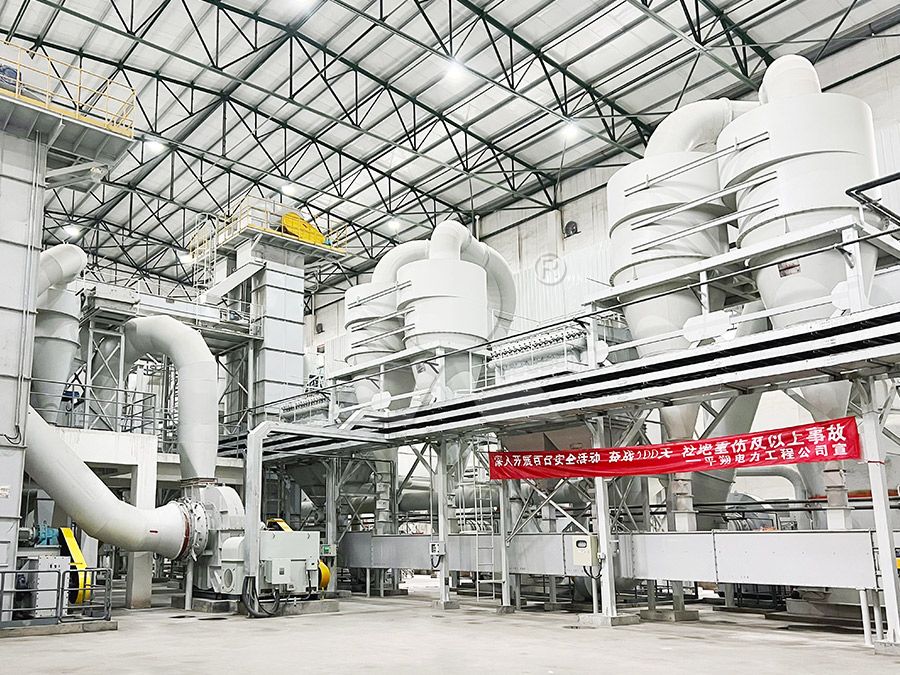
Recommended Solution: The MW Ultrafine Grinding Mill
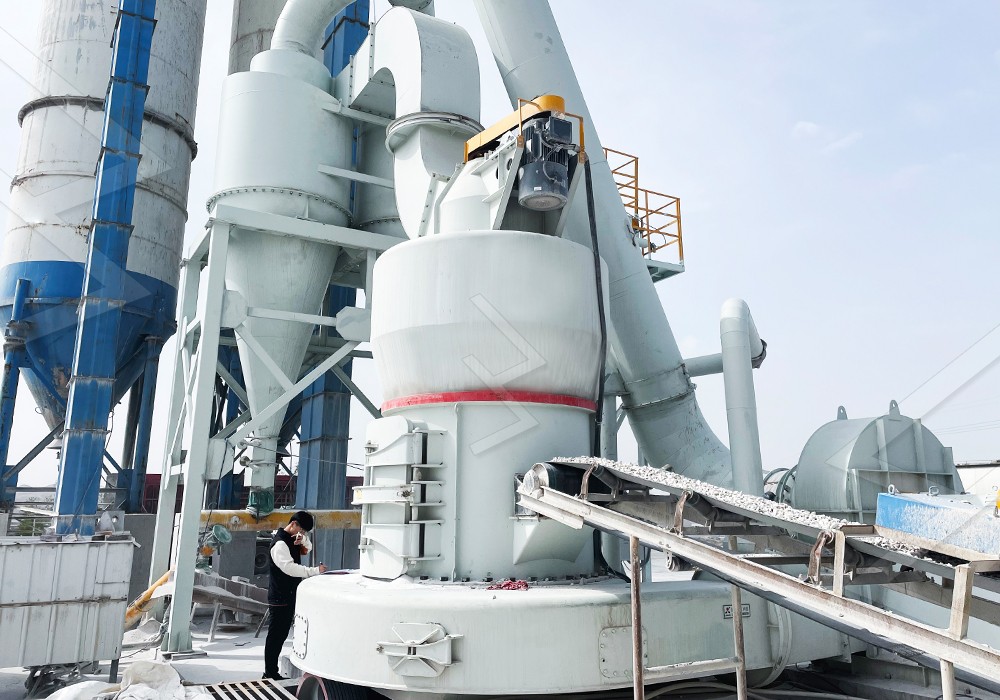
For operations targeting ultra-fine powders from oil-based limestone, the MW Ultrafine Grinding Mill stands out as a premier choice. This machine is engineered specifically for customers who need to produce high-purity, ultra-fine powder efficiently. It accepts a feed size of 0-20 mm and offers a capacity range of 0.5 to 25 tons per hour, making it suitable for various production scales.
Its design directly addresses the challenges of oil-based limestone processing. The newly designed grinding curves of the roller and ring enhance efficiency, yielding up to 40% higher production capacity compared to jet mills for the same power input. Critically, its cage-type powder selector, utilizing German technology, allows precise fineness adjustment between 325 and 2500 meshes, with the capability to achieve a d97 ≤5μm in a single pass. A standout feature for maintenance and purity is the absence of rolling bearings and screws in the grinding chamber, eliminating common failure points and sources of contamination. Furthermore, the integrated efficient pulse dust collector and muffler ensure the entire production process meets stringent environmental standards, containing dust and minimizing noise.
Vertical Integration for High-Volume Processing
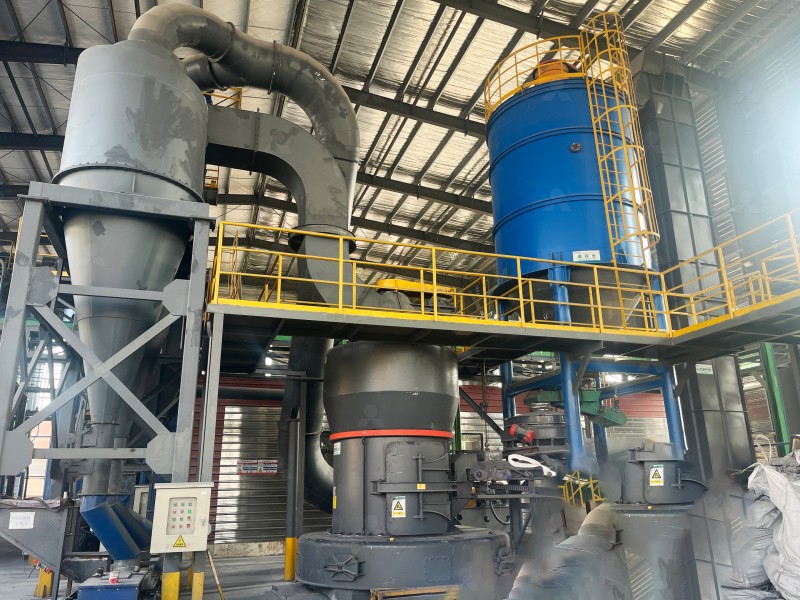
For larger-scale operations or where integrating drying with grinding is beneficial, vertical roller mills offer significant advantages. The LUM Ultrafine Vertical Grinding Mill is another excellent option from our portfolio. With an input size of 0-10 mm and a capacity of 5-18 tph, it integrates grinding, grading, and transporting. Its unique roller shell and lining plate grinding curve are designed to generate a stable material layer, promoting efficient single-pass milling. This design improves the whiteness and cleanliness of the finished product—a key concern for oil-based limestone. The mill’s double position-limiting technology ensures operational stability, while its reversible structure allows grinding rollers to be easily moved out for maintenance, drastically reducing downtime.
Ensuring Operational Excellence and Support
Investing in advanced technology is only part of the equation. Reliable operation over the long term depends on precision manufacturing, part availability, and expert support. Our grinding mills benefit from digitalized processing with numerically controlled machine tools, ensuring high precision in core components. We stand behind every machine with a commitment to providing original spare parts and comprehensive technical services, ensuring worry-free operation and protecting your production investment.
Conclusion
Processing oil-based limestone into high-quality powder requires a thoughtful approach to equipment selection. By choosing a mill designed with the right combination of grinding efficiency, precise classification, mechanical simplicity, and environmental controls, producers can achieve superior product quality, lower energy consumption, and more sustainable operation. The MW Ultrafine Grinding Mill and LUM Ultrafine Vertical Grinding Mill represent the kind of targeted engineering that transforms raw material challenges into consistent, profitable powder production.
Frequently Asked Questions (FAQ)
1. What is the main advantage of using the MW Mill for oil-based limestone compared to a traditional ball mill?
The MW Ultrafine Grinding Mill offers significantly higher energy efficiency and finer, more controllable product fineness. It reduces system energy consumption by up to 70% compared to jet mills and provides a much narrower particle size distribution. Crucially, its design without internal bearings or screws in the grinding chamber drastically reduces the risk of iron contamination, preserving the purity of the limestone powder.
2. How does the mill handle dust control during the processing of dry limestone powder?
Both the MW and LUM mills are equipped with high-efficiency pulse jet dust collection systems. The entire milling system operates under negative pressure, meaning air is drawn into the mill, preventing dust from escaping. All air exiting the grinding zone is filtered through the baghouse collector before being released, ensuring no dust pollution and compliance with environmental standards.
3. Can the fineness of the final powder be adjusted easily, and how is it measured?
Yes, fineness adjustment is a key feature. The mills use advanced cage-type or multi-head powder separators. By adjusting the speed of the separator’s rotor, the cut point for particle size can be precisely controlled, allowing operators to dial in a specific fineness between 325 and 2500 meshes. Fineness is typically measured using laser particle analyzers off-line to ensure consistency with specifications like d97 or d50 values.
4. What kind of maintenance is required for the grinding rollers and rings?
The grinding rollers and rings are made from high wear-resistant alloy materials for extended service life. The LUM Mill’s reversible structure and hydraulic system allow the grinding roller to be swung out of the mill body easily for inspection or liner replacement, minimizing downtime. The MW Mill’s external lubrication system allows for lubrication without shutdown, supporting continuous 24/7 operation.
5. Are these mills suitable only for limestone, or can they process other materials?
While excellent for oil-based and standard limestone, these mills are highly versatile. They are effectively used for a wide range of non-metallic minerals with Mohs hardness below 7, including calcite, dolomite, talc, barite, gypsum, and petroleum coke. The working principle and robust construction make them adaptable to many dry powder grinding applications in chemical, paint, and construction industries.