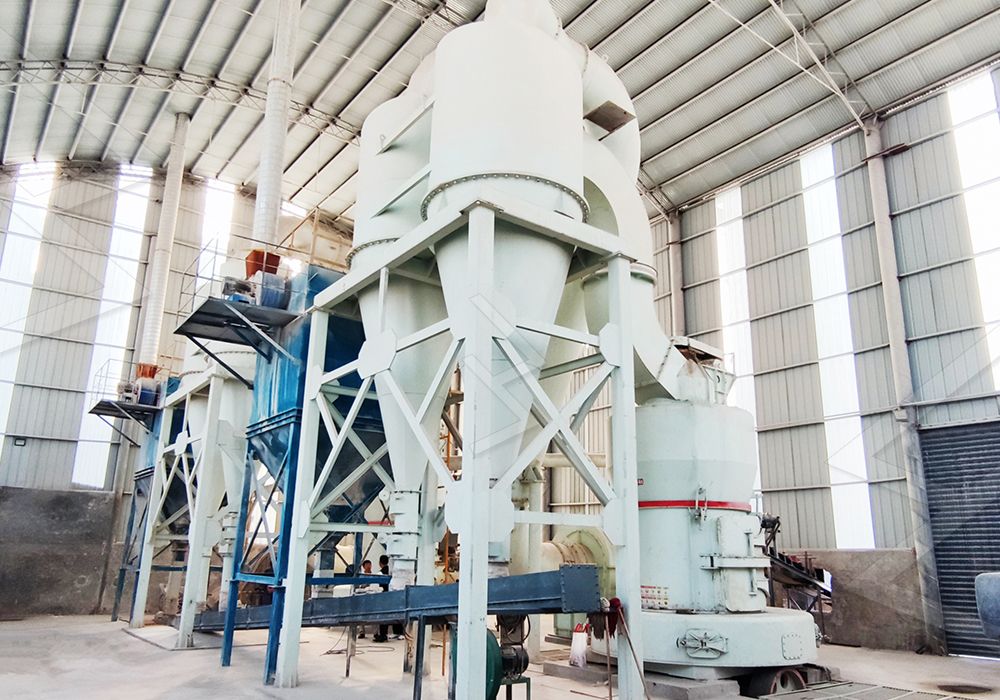
Non-Burned Brick Shaping Maker: Integrating Crusher and Mill for Efficient Production
We provide a wide range of mills — including Raymond mill, trapezoidal mill, vertical mill, ultrafine mill, and ball mill, obtained ISO9001 international quality certification, EU CE certification, and Customs Union CU-TR certification. Suitable for processing minerals such as limestone, phosphate, quicklime, kaolin, talc, barite, bentonite, calcium carbonate, dolomite, coal, gypsum, clay, carbon black, slag, cement raw materials, cement clinker, and more.
The discharge range of these mills can be adjusted to meet specific processing needs, typically from 80-400 mesh, 600-3250 mesh, and can achieve the finest particle size of up to 6000 mesh(D50).
If you are looking for a reliable grinding solution to turn stone or minerals into fine powder, please feel free to contact our online customer service.
Non-Burned Brick Shaping Maker: Integrating Crusher and Mill for Efficient Production
In the modern construction materials industry, the production of non-burned bricks represents a significant step towards sustainability. Unlike traditional fired bricks, non-burned bricks utilize industrial by-products and waste materials, reducing energy consumption and environmental impact. The key to high-quality non-burned brick production lies in the efficient preparation of raw materials—specifically, the crushing and grinding of various ores and minerals into a fine, consistent powder. This is where the integration of advanced crushers and grinding mills becomes paramount.
Traditional methods often involve separate, disjointed processes for crushing and milling, leading to inefficiencies, higher energy costs, and inconsistent material quality. The modern approach integrates these stages into a cohesive, automated system. A primary crusher first reduces large raw material chunks to a manageable size. This material is then conveyed to a grinding mill, where it is pulverized into the ultra-fine powder essential for the homogeneous mixing and binding required in non-burned brick composition.
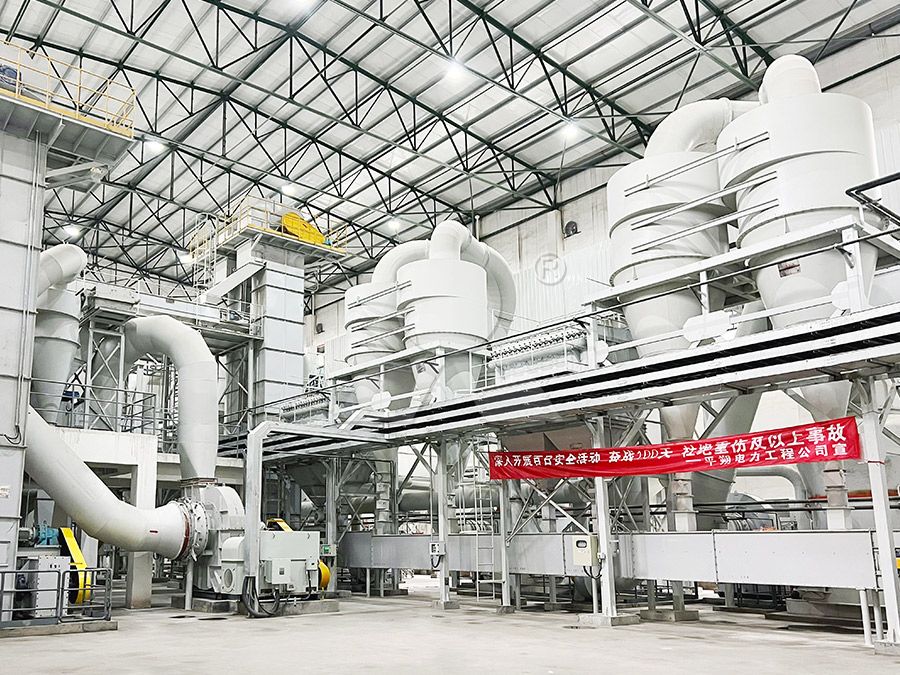
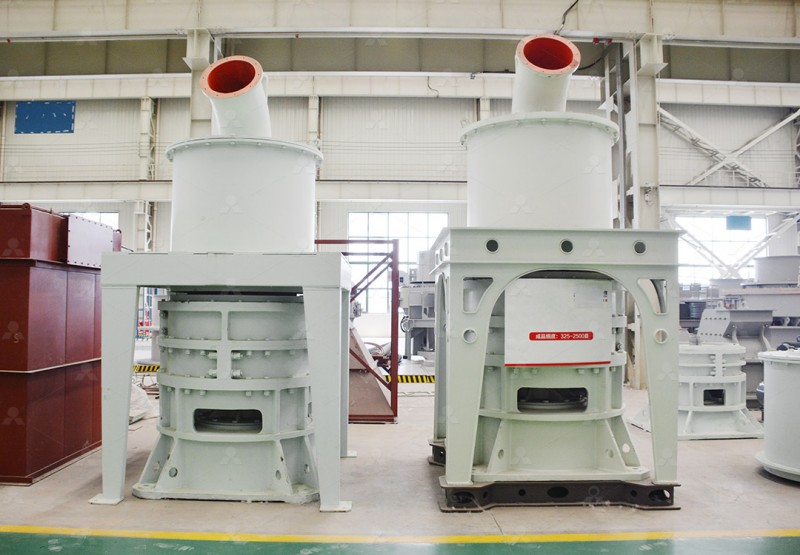
The efficiency of this entire process hinges on the performance of the grinding mill. For operations aiming for ultra-fine powders (325-2500 meshes) with high output and minimal energy waste, selecting the right mill is critical. This is where our MW Ultrafine Grinding Mill truly excels. Designed for customers who need to make ultra-fine powder, this machine is a workhorse for processing materials like limestone, calcite, dolomite, and petroleum coal—all common ingredients in non-burned bricks.
What sets the MW Mill apart is its remarkable efficiency. Its newly designed grinding curves for the roller and ring enhance grinding efficiency, yielding production capacity 40% higher than jet mills and twice that of ball mills, while slashing system energy consumption by 70%. Its German-technology cage-type powder selector allows precise fineness adjustment between 325-2500 meshes, ensuring the perfect powder consistency for brick formation. Furthermore, its innovative design eliminates rolling bearings and screws inside the grinding chamber, virtually eliminating concerns about bearing damage or loose screws causing downtime. For environmentally conscious production, it comes equipped with an efficient pulse dust collector and muffler, ensuring the entire process meets strict national environmental standards.
For operations that require a vertical solution, perhaps with slightly different feed size requirements, our LUM Ultrafine Vertical Grinding Mill presents another excellent option. Integrating ultrafine powder grinding, grading, and transporting, the LUM mill is renowned for its higher yielding rate and better product quality. It features a unique roller shell and lining plate grinding curve that is easier to generate a material layer, enabling a high rate of finished products from a single pass. This enhances efficiency and improves the whiteness and cleanliness of the final powder—a benefit for the aesthetic quality of the finished bricks. Its multi-head powder separating technology and PLC control system reduce energy consumption by 30%-50% compared to common mills.
The journey from raw, coarse material to a perfectly blended brick mix is a complex one. By integrating a robust crusher with a high-performance mill like the MW or LUM series, producers can streamline their workflow, significantly reduce operational costs, and produce a superior, consistent product. This integrated approach is not just about manufacturing bricks; it’s about building a more efficient and sustainable future for the construction industry.