
Nickel Slag and Coal Slag Grinding: Why Choose a Vertical Roller Mill?
We provide a wide range of mills — including Raymond mill, trapezoidal mill, vertical mill, ultrafine mill, and ball mill, obtained ISO9001 international quality certification, EU CE certification, and Customs Union CU-TR certification. Suitable for processing minerals such as limestone, phosphate, quicklime, kaolin, talc, barite, bentonite, calcium carbonate, dolomite, coal, gypsum, clay, carbon black, slag, cement raw materials, cement clinker, and more.
The discharge range of these mills can be adjusted to meet specific processing needs, typically from 80-400 mesh, 600-3250 mesh, and can achieve the finest particle size of up to 6000 mesh(D50).
If you are looking for a reliable grinding solution to turn stone or minerals into fine powder, please feel free to contact our online customer service.
Nickel Slag and Coal Slag Grinding: Why Choose a Vertical Roller Mill?
Grinding industrial by-products like nickel slag and coal slag presents unique challenges. These materials are often abrasive, require specific fineness for their end-use (like cement blending or concrete additive), and demand a process that is both economical and environmentally sound. For decades, the go-to equipment was often the traditional ball mill. But in today’s industry, the Vertical Roller Mill (VRM) has emerged as the superior choice, offering a blend of efficiency, reliability, and lower operational costs that is hard to beat.
The Inherent Advantages of Vertical Roller Mills for Slag
So, what makes a VRM so special for these tough applications? The core of its advantage lies in its fundamental design and operating principle. Unlike a ball mill where grinding relies on impact and attrition from countless tumbling steel balls, a VRM utilizes large rollers that hydraulically press against a rotating grinding table. This creates a highly efficient bed-compaction grinding mechanism.
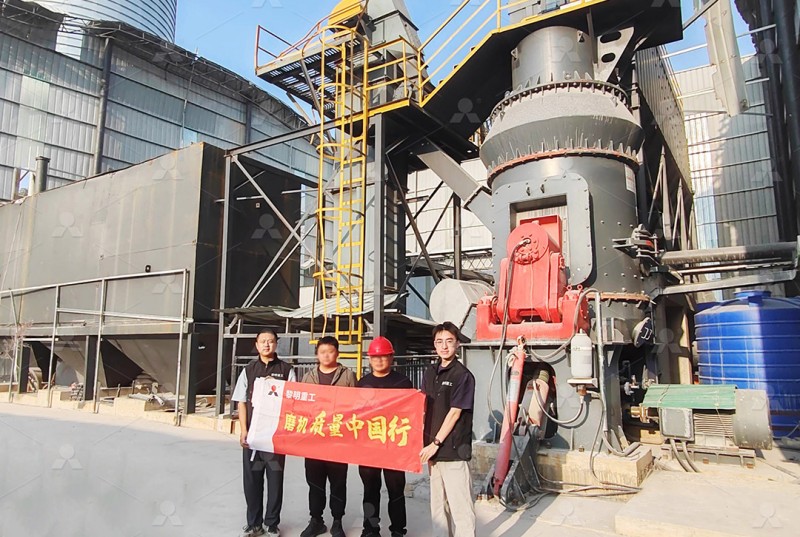
For abrasive materials like nickel and coal slag, this is a game-changer. The specific wear on grinding parts is significantly reduced compared to the constant impact and friction in a ball mill. Furthermore, VRMs integrate drying, grinding, classification, and conveying into a single, compact unit. Hot gases can be introduced to dry wet slag simultaneously as it’s being ground, eliminating the need for a separate, energy-intensive drying step. This integrated approach slashes energy consumption by 30% to 50% compared to traditional systems.
Key Considerations: Fineness, Throughput, and Stability
When processing slag, achieving the target fineness (often around 400-500 m²/kg Blaine for cement applications) consistently is paramount. VRMs offer superior product quality control. The integrated dynamic classifier allows for precise adjustment of the finished product fineness at the turn of a dial, without stopping the mill. The material’s short residence time in the grinding zone also minimizes over-grinding and ensures a narrow particle size distribution, which enhances the final product’s performance.
\n
Operational stability is another critical factor. The best VRMs are engineered for smooth, vibration-free operation. Features like double position-limiting technology prevent physical contact between the roller and the table during start-up or sudden vibration, preventing catastrophic damage and ensuring long-term mechanical reliability. This translates to higher availability and less unexpected downtime.
Our Recommended Solution: The LM Vertical Slag Mill
For operators specifically focused on maximizing their slag grinding performance, we highly recommend our LM Vertical Slag Mill. This machine isn’t just a generic VRM; it’s specifically optimized for the demands of industrial waste like granulated blast furnace slag and nickel slag.
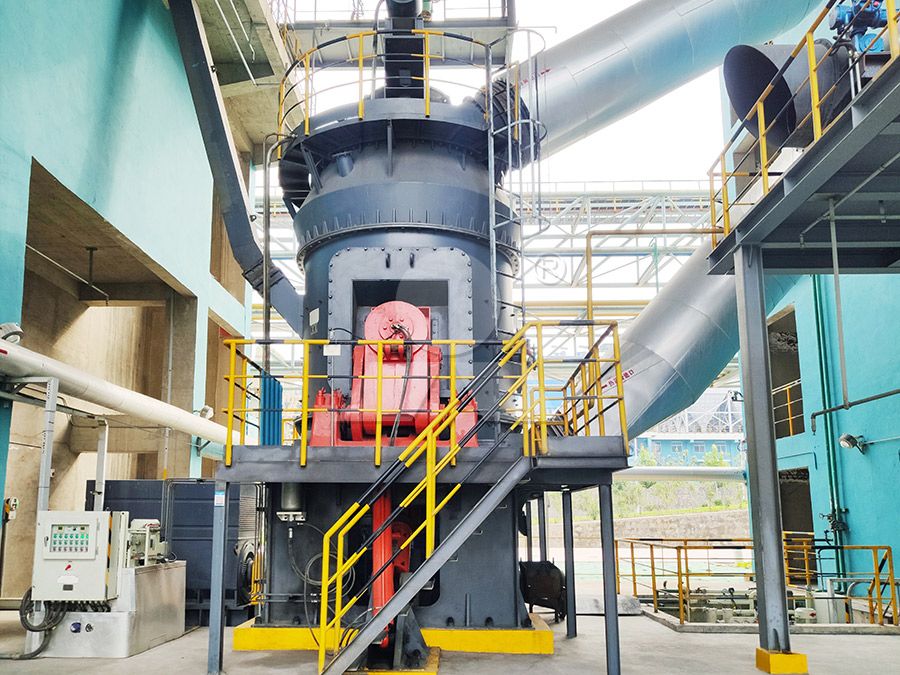
With an capacity range of 7-100 T/H and handling feed sizes up to 65mm, it’s built for scale. Its key performance advantages include:
- High Grinding Efficiency: Focused grinding device design for slag, reducing energy consumption by 30-40% vs. ball mills.
- Integrated Design: Combines drying, grinding, and powder selection in one unit, reducing footprint by 50%.
- Superior Wear Protection: Critical parts are made from high-performance wear-resistant materials to handle the abrasive nature of slag.
- Stable, High-Quality Product: Ensures a uniform fineness and high screening rate for optimal product quality.
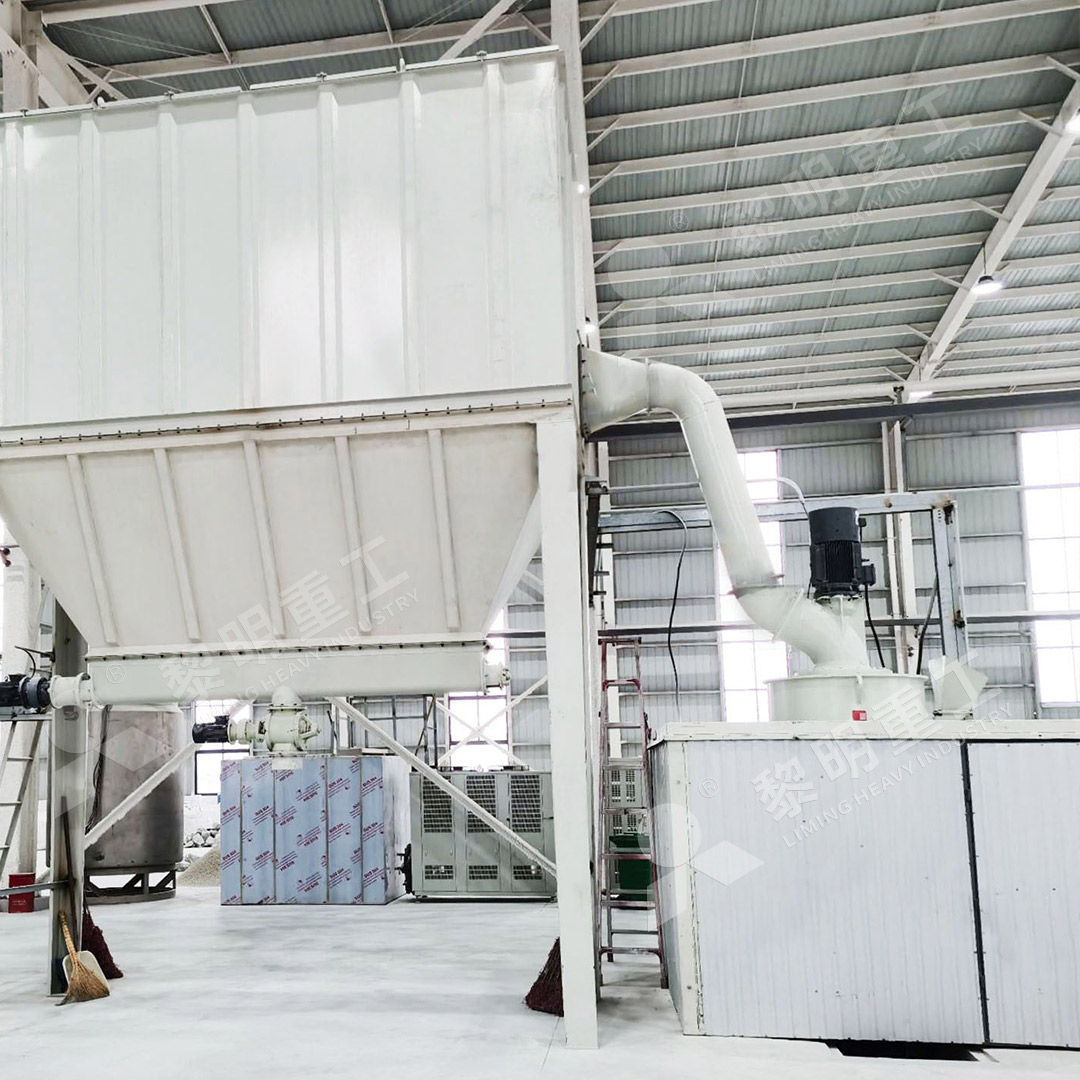
For projects requiring ultra-fine grinding of slags or other materials beyond the typical cement fineness, our MW Ultrafine Grinding Mill is an exceptional alternative. Capable of producing powders between 325-2500 meshes, it’s perfect for high-value additive applications. Its unique design, with no rolling bearings or screws in the grinding chamber, eliminates common failure points and ensures exceptional operational longevity, even in continuous 24/7 production.
Conclusion: A Clear Path to Efficiency
The choice for modern slag grinding operations is clear. The vertical roller mill technology, particularly purpose-built models like our LM Vertical Slag Mill, delivers unmatched efficiency, lower operating costs, and superior product quality. By reducing energy use, minimizing wear, and offering operational stability, it provides a faster return on investment and a more sustainable grinding solution for the future.