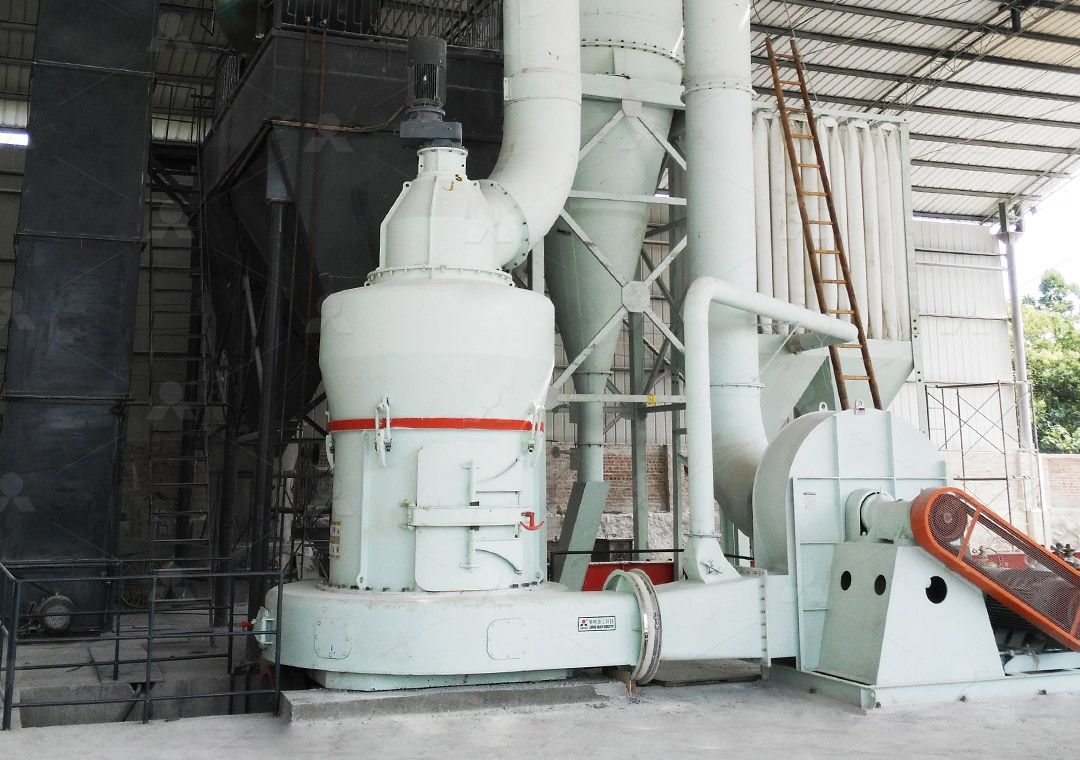
New Technology Vertical Cement Mill Price List and Cost Analysis
We provide a wide range of mills — including Raymond mill, trapezoidal mill, vertical mill, ultrafine mill, and ball mill, obtained ISO9001 international quality certification, EU CE certification, and Customs Union CU-TR certification. Suitable for processing minerals such as limestone, phosphate, quicklime, kaolin, talc, barite, bentonite, calcium carbonate, dolomite, coal, gypsum, clay, carbon black, slag, cement raw materials, cement clinker, and more.
The discharge range of these mills can be adjusted to meet specific processing needs, typically from 80-400 mesh, 600-3250 mesh, and can achieve the finest particle size of up to 6000 mesh(D50).
If you are looking for a reliable grinding solution to turn stone or minerals into fine powder, please feel free to contact our online customer service.
New Technology Vertical Cement Mill Price List and Cost Analysis
The cement industry is undergoing a significant transformation, driven by the need for greater efficiency, lower operational costs, and stricter environmental regulations. At the heart of this evolution is the adoption of advanced vertical roller mills (VRMs). This article provides a professional analysis of the pricing factors and operational costs associated with these new technology vertical cement mills, offering valuable insights for decision-makers.
Key Factors Influencing Vertical Cement Mill Pricing
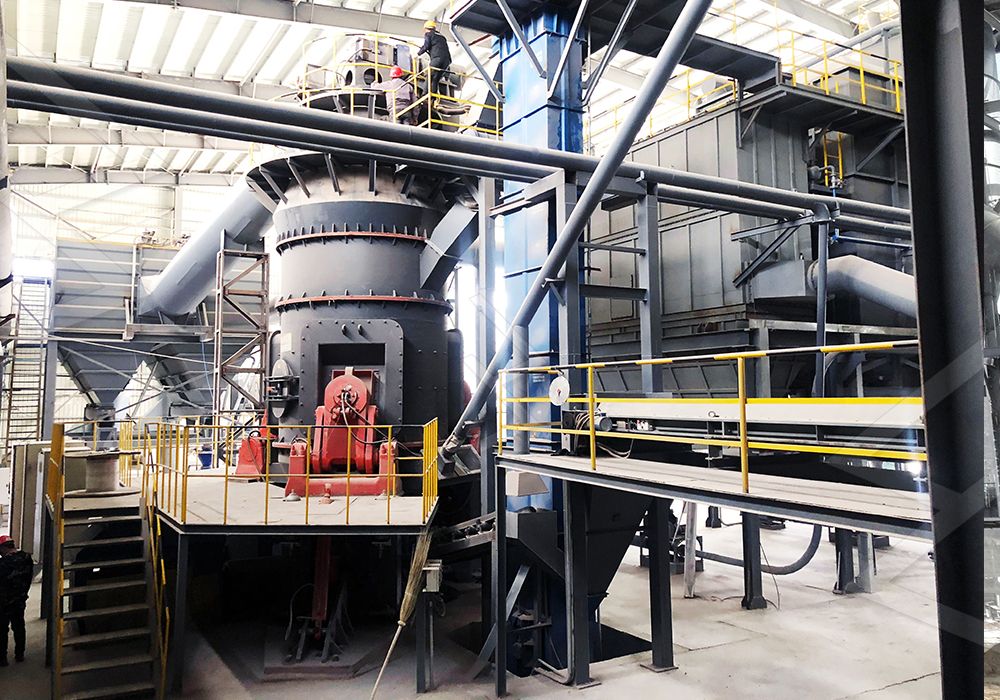
The initial purchase price of a vertical cement mill is determined by a complex interplay of several factors. Capacity is the primary driver; a mill with a throughput of 100 T/H will command a significantly higher price than a 20 T/H unit. The level of technological sophistication, including automation, precision control systems, and advanced material selection for wear parts, also adds to the cost. Furthermore, the degree of environmental integration, such as built-in high-efficiency baghouse filters and noise dampening systems, contributes to the initial investment but offers long-term savings.
Beyond the Sticker Price: Total Cost of Ownership (TCO)
A savvy buyer looks beyond the initial capital expenditure (CAPEX) and focuses on the Total Cost of Ownership. This includes:
- Energy Consumption: Modern VRMs are vastly more energy-efficient than traditional ball mills, often reducing power consumption by 30-50%. This represents the single largest area of operational savings.
- Maintenance and Wear Parts: The design directly impacts maintenance downtime and part replacement costs. Mills with easily accessible components and longer-lasting wear parts drastically reduce operational expenditure (OPEX).
- Grinding Efficiency and Yield: A high-efficiency mill produces more cement per hour with a superior particle size distribution, leading to better product quality and higher revenue.
Recommended Solution: The MW Ultrafine Grinding Mill
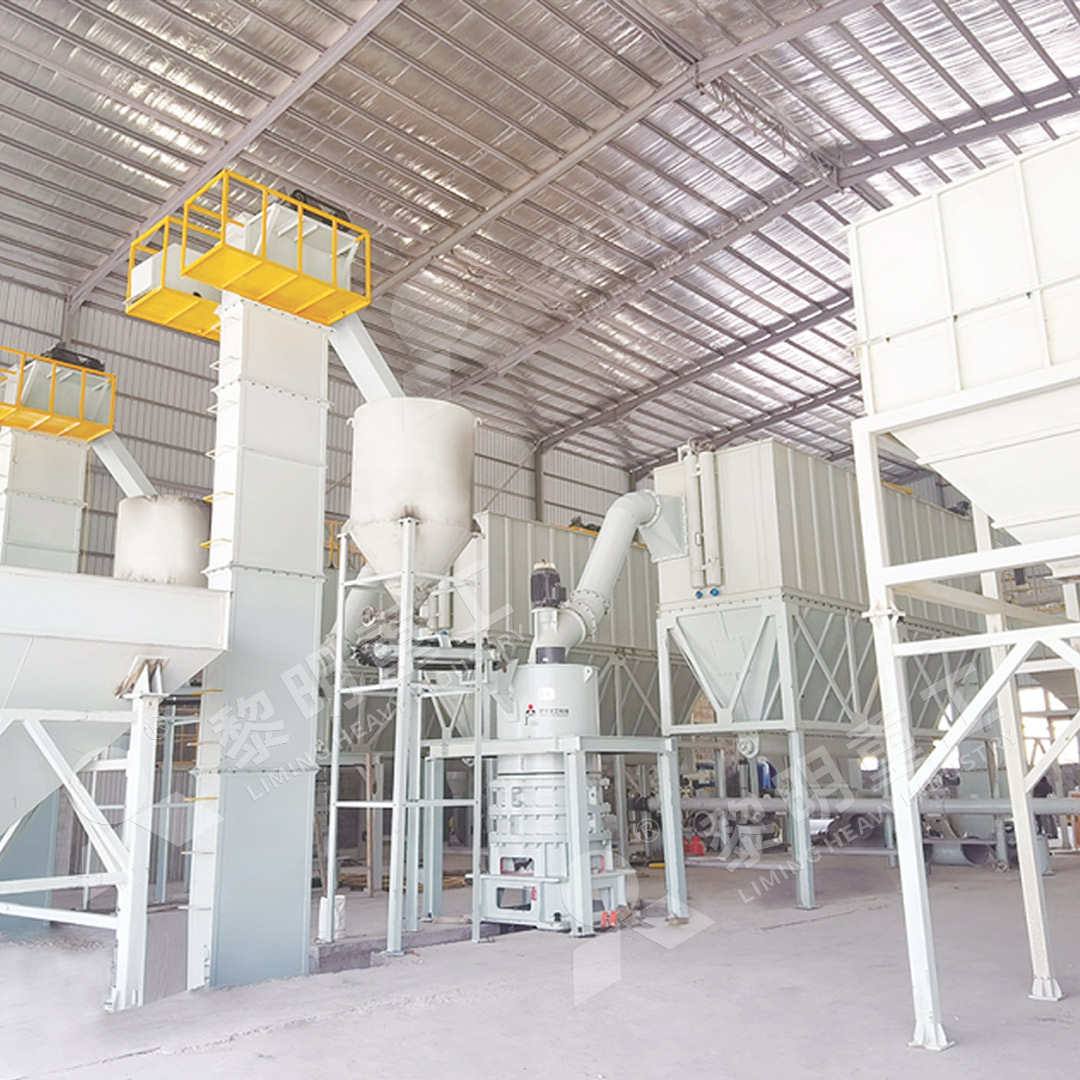
For operations requiring ultra-fine powder production with exceptional efficiency, we highly recommend our MW Ultrafine Grinding Mill. This machine is engineered for customers who need to make ultra-fine powder between 325-2500 meshes. It is equipped with an efficient pulse dust collector and muffler, ensuring minimal dust and noise pollution for a fully eco-friendly production process.
Key advantages that lower your TCO include its Higher Yielding and Lower Energy Consumption – offering 40% higher capacity than jet mills with system energy consumption only 30% of them. Its unique design features No Rolling Bearing & Screw in Grinding Chamber, eliminating worries about bearing damage or machine failure from loose screws. External lubrication allows for 24/7 operation without shutdowns.
Cost Analysis Breakdown
Let’s consider a comparative cost analysis between a traditional ball mill system and a modern VRM like the MW series for a medium-capacity plant:
| Cost Factor | Traditional Ball Mill | MW Ultrafine Grinding Mill |
|---|---|---|
| Initial Investment (CAPEX) | Lower | Higher |
| Power Consumption (kWh/t) | 38-40 | 22-26 (≈40% saving) |
| Wear Part Lifetime | Shorter | Significantly Longer |
| Maintenance Downtime | Higher | Lower |
| Environmental Compliance | Requires Add-ons | Built-in |
As the analysis shows, the higher initial investment in a advanced vertical mill is quickly offset by substantial savings in energy and maintenance, resulting in a lower TCO and a faster return on investment (ROI), often within 1-2 years for high-usage plants.
Conclusion: Investing in the Future
The shift to new technology vertical cement mills is not merely a trend but a strategic financial decision. While the upfront price list may seem daunting, a thorough cost analysis reveals undeniable long-term benefits. Investing in a robust and efficient system like our MW Ultrafine Grinding Mill future-proofs your operation against rising energy costs and environmental mandates, ensuring profitability and sustainability for years to come. Contact our technical team for a detailed quotation and a project-specific ROI calculation.