
New Limestone Powder Production Technology: Enhancing Efficiency and Sustainability
We provide a wide range of mills — including Raymond mill, trapezoidal mill, vertical mill, ultrafine mill, and ball mill, obtained ISO9001 international quality certification, EU CE certification, and Customs Union CU-TR certification. Suitable for processing minerals such as limestone, phosphate, quicklime, kaolin, talc, barite, bentonite, calcium carbonate, dolomite, coal, gypsum, clay, carbon black, slag, cement raw materials, cement clinker, and more.
The discharge range of these mills can be adjusted to meet specific processing needs, typically from 80-400 mesh, 600-3250 mesh, and can achieve the finest particle size of up to 6000 mesh(D50).
If you are looking for a reliable grinding solution to turn stone or minerals into fine powder, please feel free to contact our online customer service.
New Limestone Powder Production Technology: Enhancing Efficiency and Sustainability
The limestone powder industry stands at a critical juncture, balancing growing global demand with increasing environmental responsibilities. Traditional grinding methods often fall short, plagued by high energy consumption, significant dust emissions, and operational inefficiencies. The advent of advanced milling technology is revolutionizing this sector, offering a path toward more profitable and sustainable production.
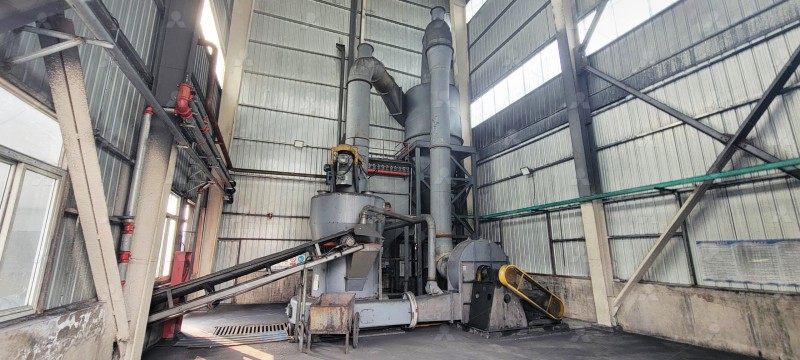
The Shift Towards Ultra-Fine Grinding
Modern applications for limestone powder, ranging from high-performance concrete and plastics to pharmaceuticals and food additives, demand consistently fine and pure products. This requires precision grinding technology capable of achieving precise particle size distributions while minimizing contamination and energy use. The key lies in moving beyond conventional ball mills to systems designed for the specific challenges of ultra-fine powder production.
One standout solution addressing these needs is the MW Ultrafine Grinding Mill. This system is engineered for customers requiring superior ultra-fine powder. It handles an input size of 0-20 mm with a capacity range of 0.5-25 tph. A significant advantage is its integrated efficient pulse dust collector and muffler, which effectively mitigate dust and noise pollution, ensuring the entire production process adheres to stringent environmental standards. Its design eliminates rolling bearings and screws within the grinding chamber, a common point of failure in other mills, thereby enhancing reliability and allowing for continuous 24/7 operation.
Core Technological Advancements
The efficiency gains in next-generation mills stem from several key innovations. Newly designed grinding curves for rollers and rings significantly boost grinding efficiency. For instance, the MW Ultrafine Grinding Mill achieves a production capacity up to 40% higher than jet or stirred grinding mills at the same fineness and power, with system energy consumption reduced to just 30% of that of a jet mill.
Furthermore, advanced powder selection technology is crucial. The use of a German-technology-inspired cage-type powder selector allows for precise fineness adjustment between 325 and 2500 meshes, achieving a screening rate of d97≤5μm in a single pass. This level of control is essential for meeting the exacting specifications of various industrial applications.
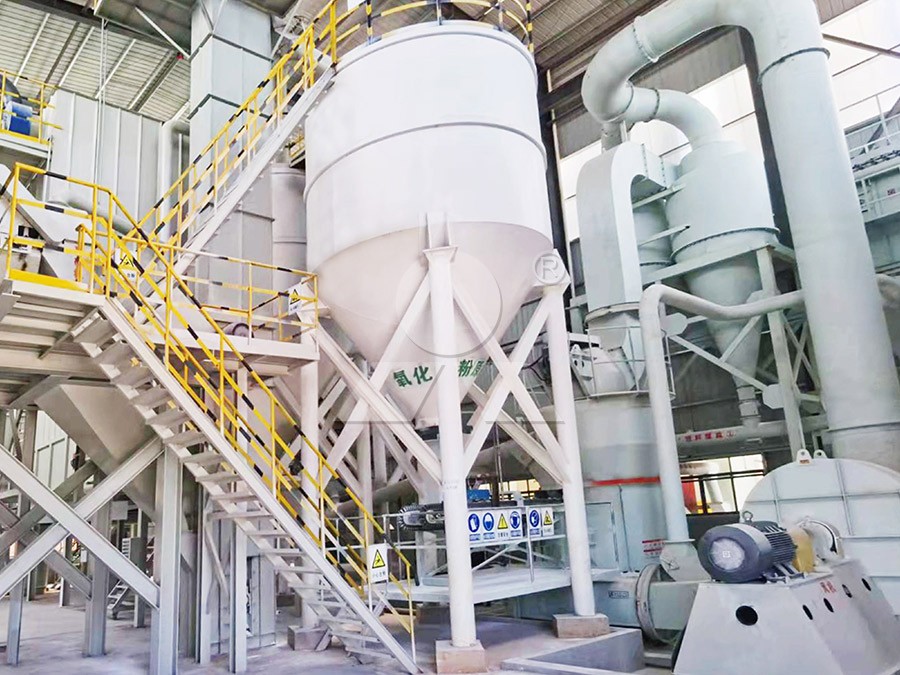
A Focus on Operational Sustainability
Sustainability is no longer an optional extra but a core operational requirement. Modern mills are designed with a holistic view of environmental impact. The LUM Ultrafine Vertical Grinding Mill exemplifies this approach. With an input size of 0-10 mm and a capacity of 5-18 tph, the LUM mill integrates ultrafine powder grinding, grading, and transporting into a single, compact unit. Its design incorporates a unique roller shell and lining plate grinding curve that facilitates material layering and high-yield, single-pass milling. This not only improves efficiency but also enhances the whiteness and cleanliness of the final product.
Operational stability is enhanced through technologies like double position-limiting, which protects the mill from destructive vibrations. Moreover, a reversible structure simplifies maintenance, allowing grinding rollers to be easily moved out of the body for inspection or part replacement, minimizing costly downtime. Like the MW model, it features digitalized processing for high precision and is backed by a reliable supply of original spare parts.
The Bottom Line: Efficiency Meets Responsibility
The integration of these advanced technologies results in a dramatic reduction in the total cost of ownership. Lower energy consumption, decreased maintenance needs, extended component life, and reduced environmental compliance costs all contribute to a stronger bottom line. Producers can now meet market demands for high-quality limestone powder without compromising their environmental or economic goals.
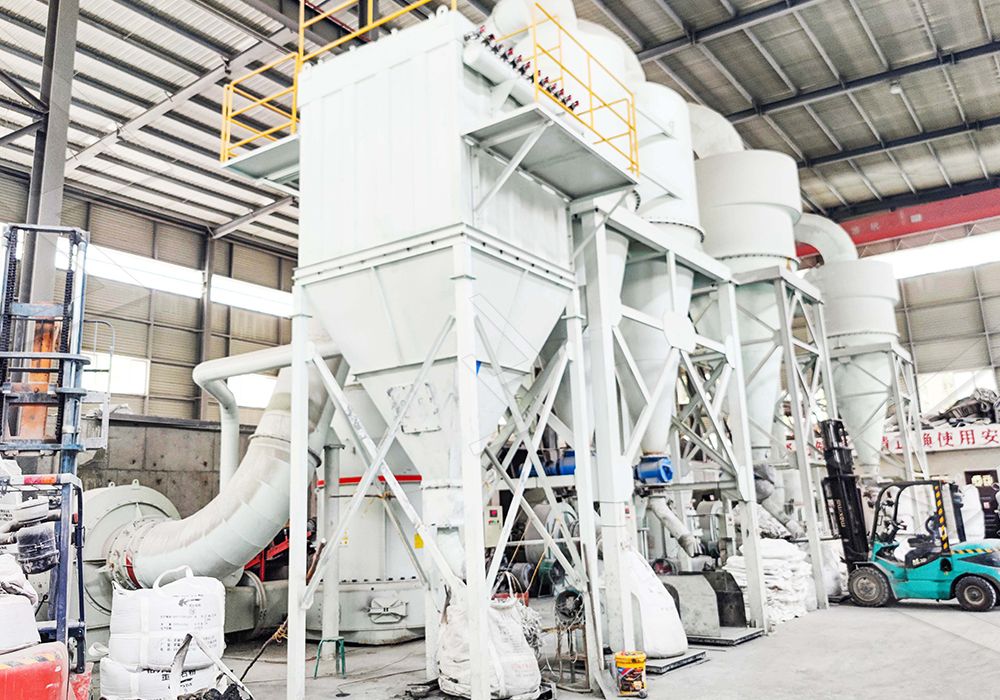
In conclusion, the future of limestone powder production is being shaped by intelligent, efficient, and clean technologies. By adopting advanced grinding mills like the MW and LUM series, producers can position themselves as leaders in a competitive and increasingly eco-conscious market.
Frequently Asked Questions (FAQ)
What are the primary benefits of upgrading to a new-generation grinding mill?
The primary benefits include significantly higher energy efficiency (30-50% reduction in consumption), increased production capacity, superior product fineness and quality control, enhanced operational reliability with reduced downtime, and full compliance with modern environmental standards for dust and noise emissions.
How does the MW Ultrafine Grinding Mill handle environmental concerns?
The MW Mill is equipped with an efficient pulse dust collector that ensures no dust pollution during operation. It also features a silencer and noise elimination room to minimize acoustic impact. The entire system is designed to operate according to national environmental protection standards.
What is the advantage of the ‘no rolling bearing’ design in the grinding chamber?
This design eliminates concerns about bearing damage or failure and prevents machine damage caused by loose screws. It allows for external lubrication without the need for shutdowns, enabling continuous 24-hour production and greatly improving operational reliability.
Can these mills produce powder for specialized industries like cosmetics or food?
Yes. The precise fineness control (adjustable between 325-2500 meshes) and high purity of the final product, achieved through advanced separation and minimal iron contamination, make mills like the MW and LUM series suitable for sensitive applications in industries such as chemicals, paint, cosmetics, and food additives.