
MTM Series Trapezium Mill for Efficient Mineral Grinding in Mining Operations
We provide a wide range of mills — including Raymond mill, trapezoidal mill, vertical mill, ultrafine mill, and ball mill, obtained ISO9001 international quality certification, EU CE certification, and Customs Union CU-TR certification. Suitable for processing minerals such as limestone, phosphate, quicklime, kaolin, talc, barite, bentonite, calcium carbonate, dolomite, coal, gypsum, clay, carbon black, slag, cement raw materials, cement clinker, and more.
The discharge range of these mills can be adjusted to meet specific processing needs, typically from 80-400 mesh, 600-3250 mesh, and can achieve the finest particle size of up to 6000 mesh(D50).
If you are looking for a reliable grinding solution to turn stone or minerals into fine powder, please feel free to contact our online customer service.
Revolutionizing Mineral Processing with Advanced Grinding Technology
The mining industry faces constant pressure to improve operational efficiency while reducing environmental impact. Mineral grinding represents one of the most energy-intensive processes in mining operations, making equipment selection critical to both profitability and sustainability. Among the various grinding solutions available, the MTM Series Trapezium Mill has emerged as a superior choice for operations seeking optimal performance across multiple mineral types.
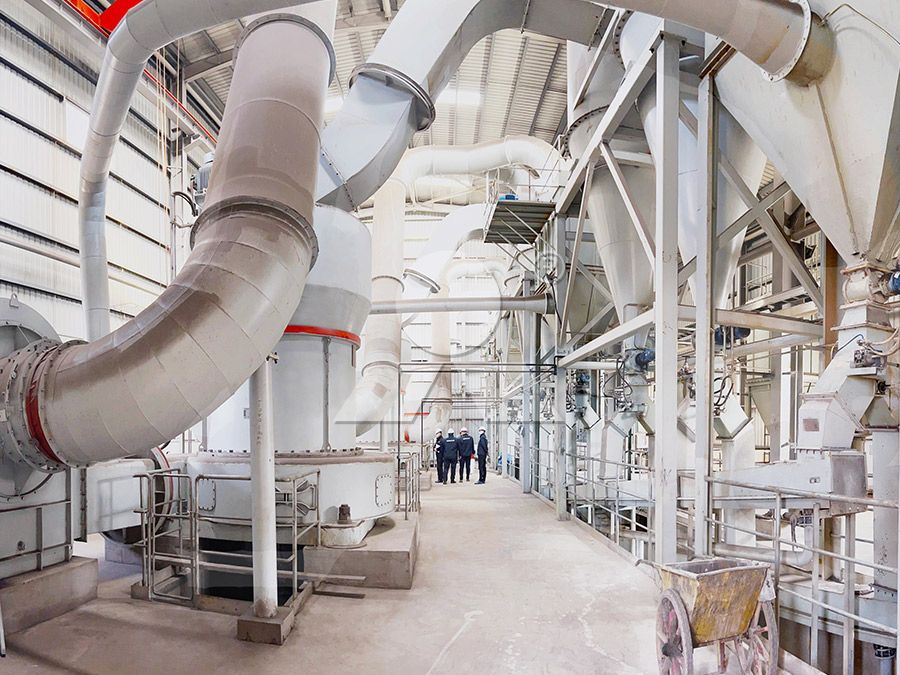
Traditional grinding mills often struggle with balancing production capacity, energy consumption, and maintenance requirements. The MTM Series addresses these challenges through innovative engineering that combines robust construction with intelligent design features. Unlike conventional ball mills that consume excessive power or Raymond mills with limited capacity, the trapezium mill architecture provides a balanced solution for medium to large-scale operations.
Engineering Excellence in Grinding Mechanics
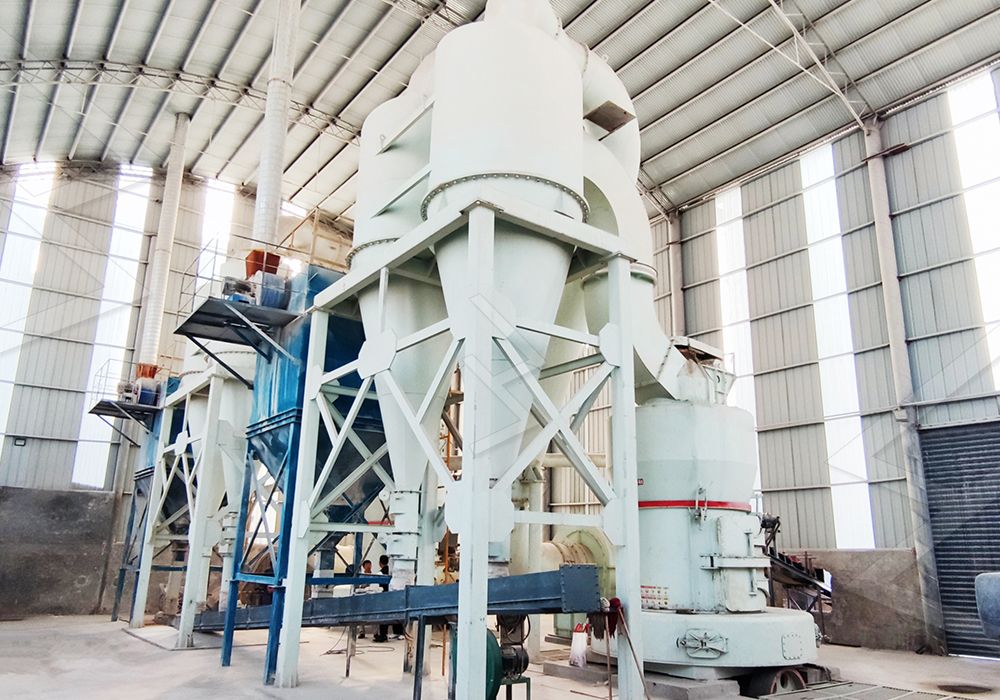
The fundamental advantage of the MTM Series lies in its unique grinding chamber configuration. The trapezium-shaped working surface creates optimal material flow patterns that enhance grinding efficiency while reducing wear on critical components. This design allows for more consistent particle size distribution and better control over final product specifications.
Material enters the grinding chamber through an advanced feeding system that ensures even distribution across the grinding surface. The proprietary curved shovel blade design maximizes material capture and directs it precisely into the grinding zone between rollers and rings. This eliminates common issues like material bypass and uneven wear that plague conventional mill designs.
Advanced Features for Modern Mining Requirements
Modern mining operations demand equipment that delivers not just performance but also reliability and ease of maintenance. The MTM Series incorporates several groundbreaking features that address these needs:
The dilute oil lubrication system represents a significant advancement over traditional grease-based systems. This maintenance-free approach eliminates frequent lubrication requirements while providing superior protection to grinding rollers and other moving components. The result is extended service intervals and reduced operational downtime.
Another standout feature is the elastic volute damping structure, which effectively minimizes vibration transmission throughout the mill system. By incorporating specialized elastic components between the volute and engine base, combined with rubber shock absorption pads, the MTM Series maintains operational stability even under variable load conditions. This vibration control directly translates to longer equipment lifespan and more consistent product quality.
Complementary Grinding Solutions for Specific Applications
While the MTM Series excels in general mineral grinding applications, certain operations require specialized equipment for specific material characteristics or fineness requirements. For operations needing ultra-fine powder production, we recommend considering our MW Ultrafine Grinding Mill. This advanced system handles input sizes up to 20 mm with capacities ranging from 0.5 to 25 tph, producing powders with fineness between 325-2500 meshes.
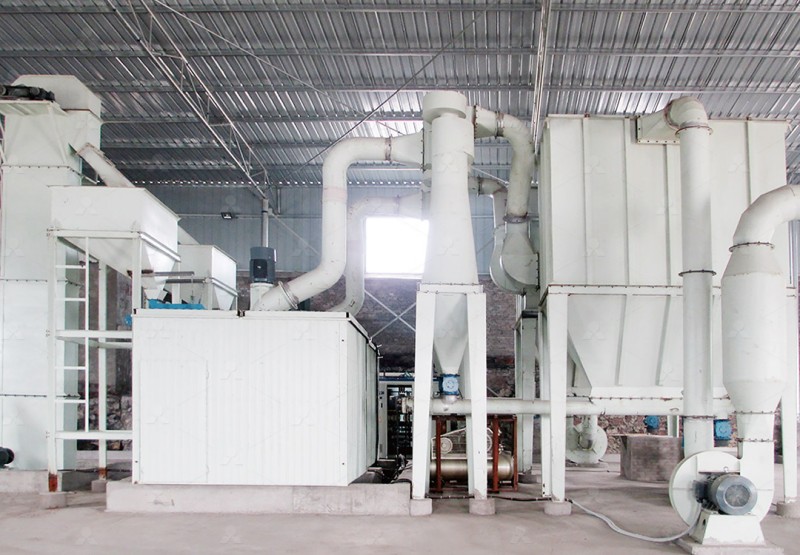
The MW Ultrafine Grinding Mill incorporates German cage-type powder selector technology that ensures precise particle separation. Its unique design eliminates rolling bearings and screws from the grinding chamber, addressing common failure points in conventional ultrafine mills. The integrated pulse dust collector and muffler system maintains environmental compliance while operating at peak efficiency.
For operations requiring vertical grinding solutions, our LUM Ultrafine Vertical Grinding Mill offers exceptional performance with input sizes up to 10 mm and capacities from 5-18 tph. This mill integrates the latest Taiwanese grinding roller technology with German powder separating technology, providing superior efficiency for specific mineral types.
Operational Efficiency and Cost Considerations
The economic advantages of the MTM Series extend beyond initial purchase price. The mill’s energy-efficient design typically reduces power consumption by 30-50% compared to traditional grinding systems. This represents substantial operational cost savings, particularly for continuous mining operations where grinding represents a significant portion of energy usage.
Maintenance costs are similarly optimized through intelligent design. The accessible component layout and split-structure vulnerable parts simplify inspection and replacement procedures. Combined with our comprehensive spare parts support program, operations can maintain peak performance with minimal unexpected downtime.
Environmental Performance and Sustainability
Modern mining operations face increasing regulatory and social pressure to minimize environmental impact. The MTM Series addresses these concerns through multiple environmental protection features. The fully enclosed negative pressure operation prevents dust emission, while the integrated pulse dust collection system ensures air quality compliance. Noise reduction technologies, including specialized silencers and vibration damping, maintain workplace safety standards and community relations.
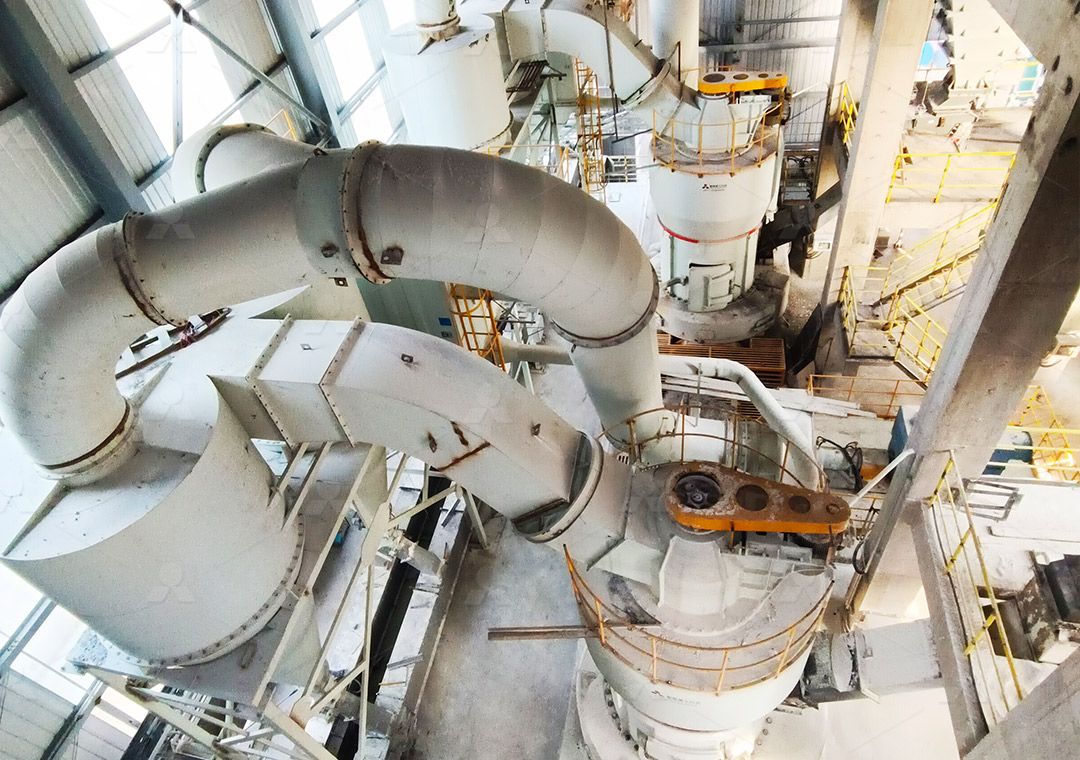
The grinding process itself contributes to sustainability through reduced energy consumption and minimal material waste. The efficient separation and collection systems maximize product yield while minimizing byproducts, supporting circular economy principles within mining operations.
Application Versatility Across Mineral Types
The MTM Series demonstrates exceptional versatility across diverse mineral applications. From limestone and calcite to barite, marble, and talc, the mill maintains consistent performance across varying material hardness and characteristics. This flexibility makes it an ideal choice for operations processing multiple mineral types or those with evolving production requirements.
Chemical industry applications benefit particularly from the mill’s ability to produce consistent particle size distributions for materials like petroleum coal, gypsum, and various industrial minerals. The precise control over final product specifications ensures optimal performance in downstream processes.
Frequently Asked Questions
What is the typical operational lifespan of MTM Series mills?
With proper maintenance and regular wear part replacement, MTM Series mills typically operate efficiently for 15-20 years. The grinding rollers and rings made of wear-resistant alloy generally last 1.7-2.5 times longer than traditional high manganese steel components.
How does the MTM Series compare to traditional ball mills in terms of energy consumption?
The MTM Series typically reduces energy consumption by 30-50% compared to conventional ball mills while achieving similar or superior grinding efficiency. The trapezium grinding mechanism transfers energy more effectively to the material rather than generating excess heat and noise.
What maintenance routines are required for optimal performance?
Regular maintenance includes monthly inspections of grinding rollers and rings, quarterly lubrication system checks, and annual comprehensive system reviews. The dilute oil lubrication system reduces routine maintenance requirements compared to traditional grease-based systems.
Can the MTM Series handle abrasive materials without excessive wear?
Yes, the wear-resistant alloy components are specifically designed for abrasive materials. For highly abrasive applications, we recommend more frequent inspection intervals and may suggest specialized material options for vulnerable parts.
What level of automation is available with these mills?
The MTM Series can be equipped with PLC control systems that monitor and adjust operational parameters automatically. This includes remote operation capabilities, automatic lubrication control, and real-time performance monitoring.
How does the particle size distribution compare to other grinding technologies?
The MTM Series produces a more consistent particle size distribution with narrower range variation compared to traditional mills. The advanced separator technology ensures precise size classification with minimal oversize or undersize particles.
What is the typical installation timeframe for these systems?
Standard installation requires 4-6 weeks depending on site conditions and system configuration. Our engineering team provides comprehensive installation support including foundation design, equipment placement, and commissioning services.
Are custom configurations available for specific mineral processing needs?
Yes, we offer customized solutions including specialized lining materials, unique separator configurations, and capacity modifications to meet specific operational requirements and material characteristics.