
Mobile Ball Mill for Quartz Grinding in Indonesia: Price and Process
We provide a wide range of mills — including Raymond mill, trapezoidal mill, vertical mill, ultrafine mill, and ball mill, obtained ISO9001 international quality certification, EU CE certification, and Customs Union CU-TR certification. Suitable for processing minerals such as limestone, phosphate, quicklime, kaolin, talc, barite, bentonite, calcium carbonate, dolomite, coal, gypsum, clay, carbon black, slag, cement raw materials, cement clinker, and more.
The discharge range of these mills can be adjusted to meet specific processing needs, typically from 80-400 mesh, 600-3250 mesh, and can achieve the finest particle size of up to 6000 mesh(D50).
If you are looking for a reliable grinding solution to turn stone or minerals into fine powder, please feel free to contact our online customer service.
Mobile Ball Mill for Quartz Grinding in Indonesia: Price and Process
Indonesia’s rich quartz deposits present a significant opportunity for industrial mineral processing. Efficient grinding is paramount to unlocking the value of this resource, and mobile ball mills have emerged as a versatile solution for on-site processing. This article explores the process of quartz grinding using mobile ball mills in the Indonesian context and discusses key considerations for operators.
The Quartz Grinding Process
Quartz grinding requires specialized equipment to achieve the desired fineness for various industrial applications. The process typically begins with primary crushing to reduce raw quartz to manageable sizes (typically <25mm). The crushed material is then fed into the ball mill where steel balls within a rotating chamber impact and grind the quartz particles through a combination of impact and attrition forces.
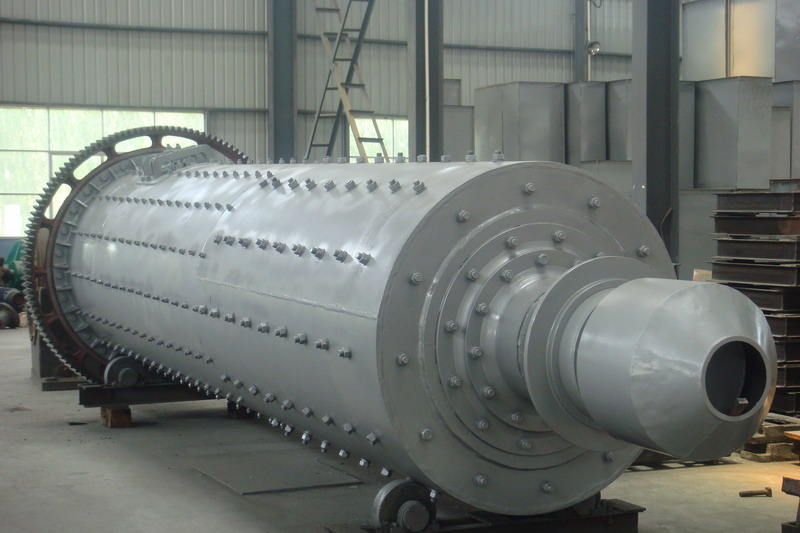
Mobile ball mills offer distinct advantages for Indonesian operations where remote locations and multiple sites are common. Their mobility eliminates the need for permanent infrastructure at each site, significantly reducing setup costs and time. The self-contained nature of these units allows for quick deployment and relocation as mining operations progress across different areas.
Technical Considerations for Indonesian Operations
The tropical climate and varied terrain of Indonesia present unique challenges for grinding operations. Mobile ball mills must be equipped to handle high humidity levels and occasional extreme weather conditions. Proper ventilation and moisture control systems are essential to prevent material clogging and maintain consistent grinding efficiency.
Power availability can vary significantly across different regions of Indonesia, making energy efficiency a critical factor in equipment selection. Modern mobile ball mills incorporate advanced drive systems and optimized grinding media arrangements to maximize throughput while minimizing energy consumption.
Advanced Alternatives for Superior Performance
While mobile ball mills serve as practical solutions for many quartz grinding applications, operations requiring ultra-fine powders or higher efficiency might consider our MW Ultrafine Grinding Mill. This advanced system offers several advantages for quartz processing:
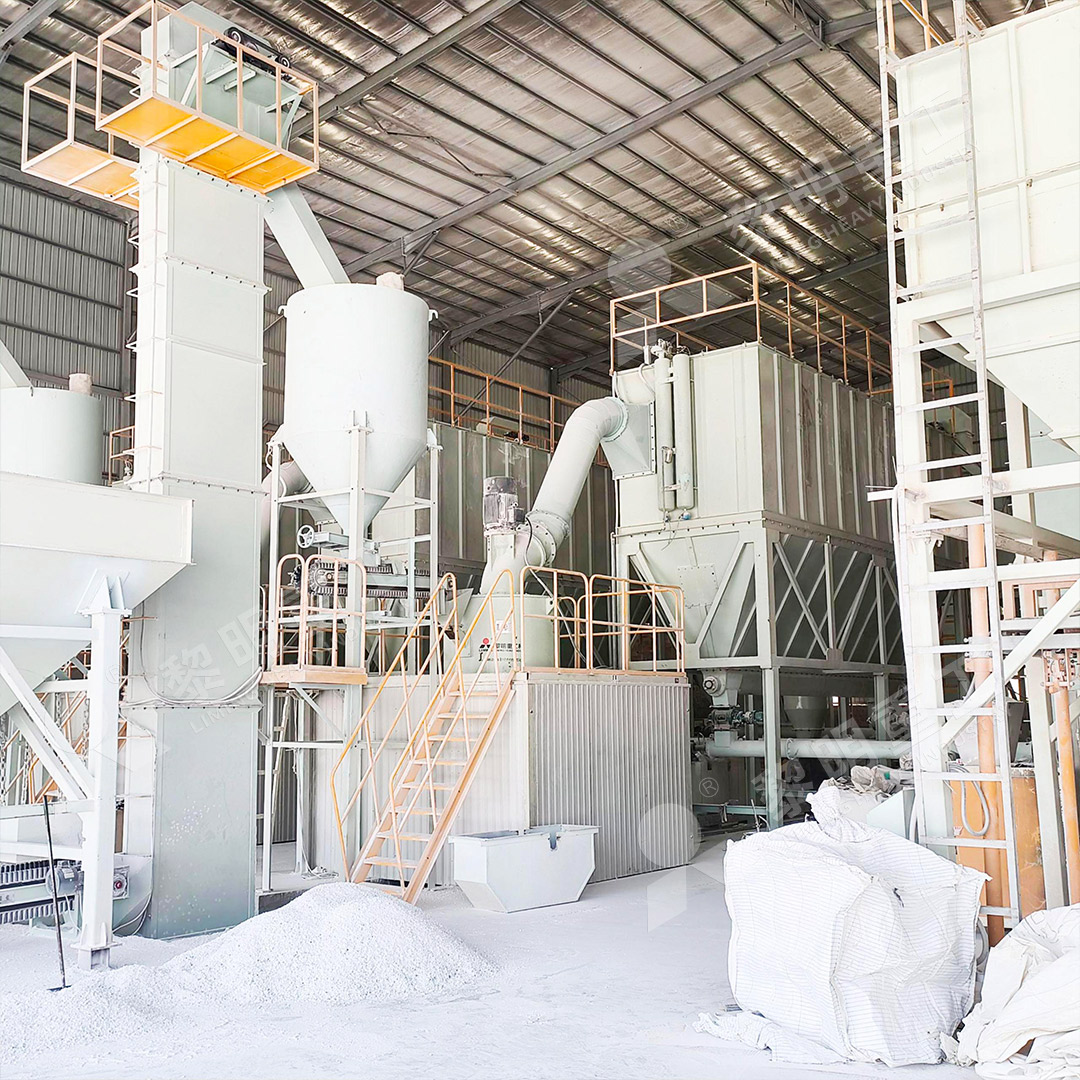
The MW Ultrafine Grinding Mill handles input sizes of 0-20 mm with capacities ranging from 0.5-25 tph, making it suitable for various production scales. Its innovative design features higher yielding at lower energy consumption – achieving 40% higher capacity than jet grinding mills with only 30% of the energy consumption. The adjustable fineness between 325-2500 meshes allows precise control over final product specifications.
For operations requiring even higher precision, our LUM Ultrafine Vertical Grinding Mill offers exceptional performance with input sizes of 0-10 mm and capacities of 5-18 tph. Its unique roller shell and lining plate grinding curve design ensures higher yielding rates and better quality finished products.
Economic Considerations
The investment in mobile grinding equipment must account for both initial capital outlay and ongoing operational costs. Mobile ball mills typically offer lower initial investment compared to stationary plants, but operators should carefully evaluate total cost of ownership including maintenance, energy consumption, and production efficiency.
For quartz processing specifically, the MW Ultrafine Grinding Mill’s maintenance advantages are particularly valuable. Its design without rolling bearings or screws in the grinding chamber eliminates concerns about bearing damage or loose screws causing machine failure. The external lubrication system allows for 24-hour continuous operation without shutdowns for maintenance.
Environmental Compliance
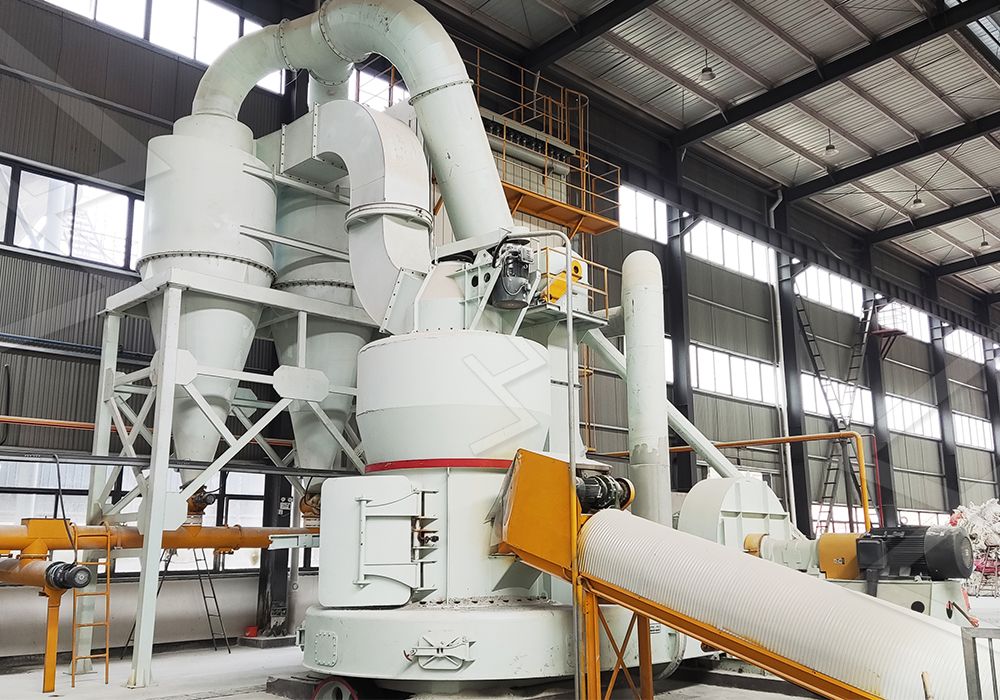
Indonesian environmental regulations require careful attention to dust and noise control. Modern grinding equipment incorporates efficient pulse dust collectors and mufflers that reduce environmental impact. The MW Ultrafine Grinding Mill’s pulse collection system ensures no dust pollution during operation, while silencers and noise elimination rooms maintain compliance with local noise regulations.
Frequently Asked Questions
What is the typical production capacity of a mobile ball mill for quartz grinding?
Mobile ball mills typically handle 0.65-50 tph depending on the specific model and configuration. The exact capacity depends on factors including quartz hardness, feed size, and desired final fineness.
How does the MW Ultrafine Grinding Mill compare to traditional ball mills for quartz processing?
The MW Ultrafine Grinding Mill offers significantly higher efficiency – approximately twice the yield of ball mills with 30% less energy consumption. It also provides better control over particle size distribution and produces less heat during grinding.
What maintenance requirements should be expected for mobile grinding equipment in Indonesia’s climate?
High humidity requires enhanced corrosion protection and more frequent checks of electrical components. The MW Mill’s external lubrication system and lack of internal bearings reduce maintenance needs significantly compared to traditional designs.
Can the same equipment process different types of quartz with varying hardness?
Yes, both mobile ball mills and the MW Ultrafine Grinding Mill can handle various quartz types. The MW Mill’s adjustable grinding pressure and rotor speed allow operators to optimize processing parameters for different material characteristics.
What dust control measures are necessary for compliance with Indonesian regulations?
Modern mills include integrated pulse dust collectors that capture over 99% of particulate matter. The closed-system design of the MW Ultrafine Grinding Mill operates under negative pressure, preventing any dust escape during operation.